This article explains the differences between chickenpox and shingles regarding causes and symptoms, while highlighting prevention and treatment methods for both.
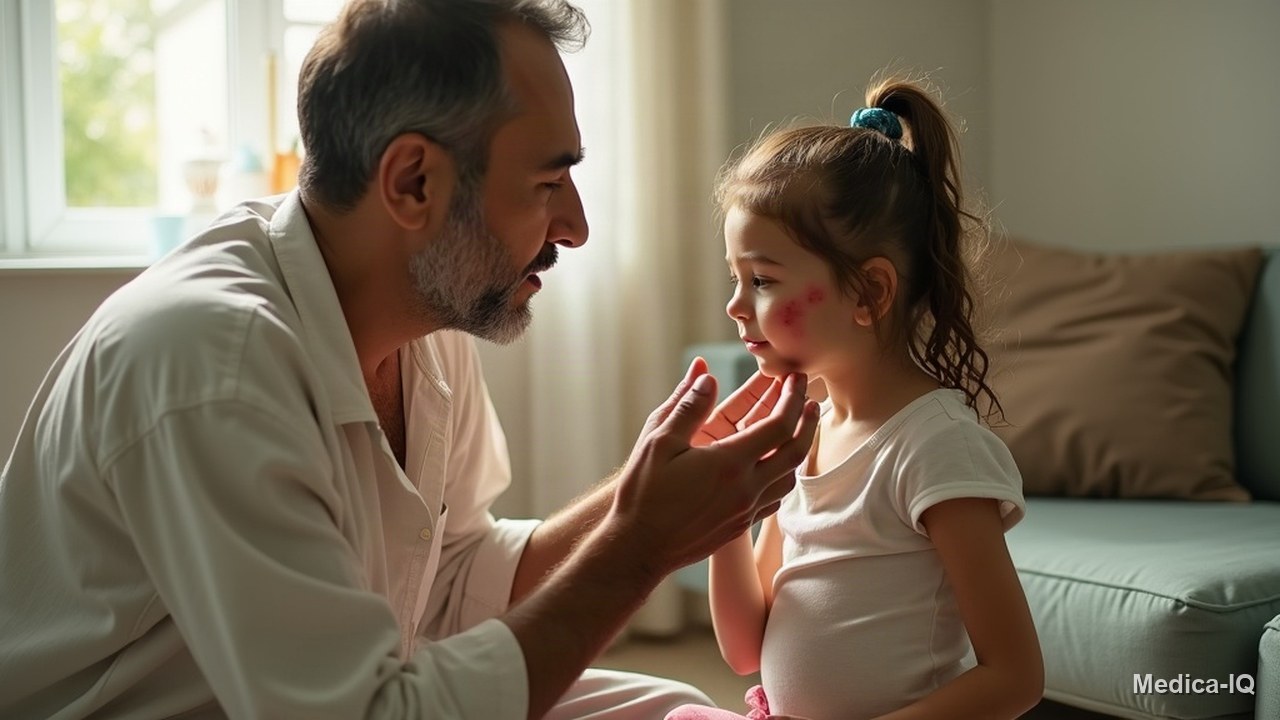
What Causes Chickenpox and Shingles?
A single virus, the varicella-zoster virus, causes both conditions. Chickenpox usually appears as a primary infection, most commonly affecting children, and is transmitted by inhaling virus particles from blisters or touching the fluid from skin lesions.
Shingles, on the other hand, is not transmitted directly from person to person. Instead, it results from the reactivation of the same virus that remained dormant in the nerve tissues near the brain and spinal cord after recovery from chickenpox. Therefore, a person cannot develop this condition unless they have previously had chickenpox, illustrating the strong chickenpox shingles connection.
Comparing Symptoms and Diagnosis
The clinical signs differ between the two cases as follows:
- Chickenpox: Often begins with an itchy, painful rash that appears on the chest and then spreads to the body and face. Fluid-filled blisters appear and turn into scabs after about 7 days. Fever, headache, and fatigue may precede the rash.
- Shingles symptoms: These typically appear as a strip of blisters in clusters that wrap around one side of the torso. This is accompanied by pain ranging from mild to severe, tingling, and hypersensitivity of the skin.
A chickenpox diagnosis or the identification of shingles often relies on a visual examination of the rash and a review of vaccination history. In some cases, a doctor may perform a blood test or take a sample of the blister fluid for analysis.
Treatment Methods for Chickenpox vs Shingles
Some home remedies to relieve symptoms are similar for both conditions, such as:
- Using calamine lotion to reduce itching.
- Bathing in cool water mixed with colloidal oatmeal or baking soda to soothe the skin.
- Avoiding scratching the skin to prevent scarring and bacterial infections.
Regarding medical treatments, a doctor may prescribe antiviral medications such as acyclovir to speed up recovery. In the case of chickenpox in children under 18, aspirin must be avoided to prevent the risk of Reye’s syndrome, which affects the liver and brain.
Prevention and Vaccination
Vaccines are the most effective means of prevention for chickenpox and shingles:
- Chickenpox vaccine: Usually given to children between 12-15 months, with another dose between 4-6 years.
- Shingles vaccine: Recommended for adults aged 50 and older.
It is also advised to cover the rash, wash hands frequently, and avoid contact with infected individuals, especially high-risk groups such as pregnant women and the immunocompromised.
FAQ
What is the difference between chickenpox and shingles?
Chickenpox is the primary infection that causes blisters across most of the body, while shingles is a reactivation of the same virus causing a painful rash in a specific area of the body (usually the torso).
Are chickenpox and shingles the same thing?
No, they are not the same disease, but they share the same causative virus. Chickenpox is the first infection, and shingles is the result of the dormant virus becoming active years later.
Can a person with shingles spread the infection?
Shingles cannot transmit shingles to another person, but it can transmit the varicella-zoster virus to people who have never had chickenpox or have not been vaccinated through direct contact with the blisters.
When to Visit a Doctor?
Seek medical care immediately if the following signs appear:
- Shortness of breath, chest pain, or severe cough (especially in adults with chickenpox).
- Signs of a bacterial skin infection.
- Very high fever, seizures, or a severe headache.
- If the patient is a pregnant woman or someone with a severely weakened immune system.
Disclaimer: This content is for informational purposes only and is not a substitute for professional medical advice.
Related articles
- Foot Blisters: Causes, Treatment, and Prevention Guide
- New Chickenpox Medication and Care Guide
- Cold Hives Treatment: Causes, Symptoms, and Management
- Psoriasis: Treating Plantar Warts: Medical and Home Remedies
- More about Skin Conditions
Illustration: AI-generated
approved by: Medica Health team