Losing just half an hour of sleep daily can negatively impact long-term metabolism and body weight, particularly for those with type 2 diabetes.
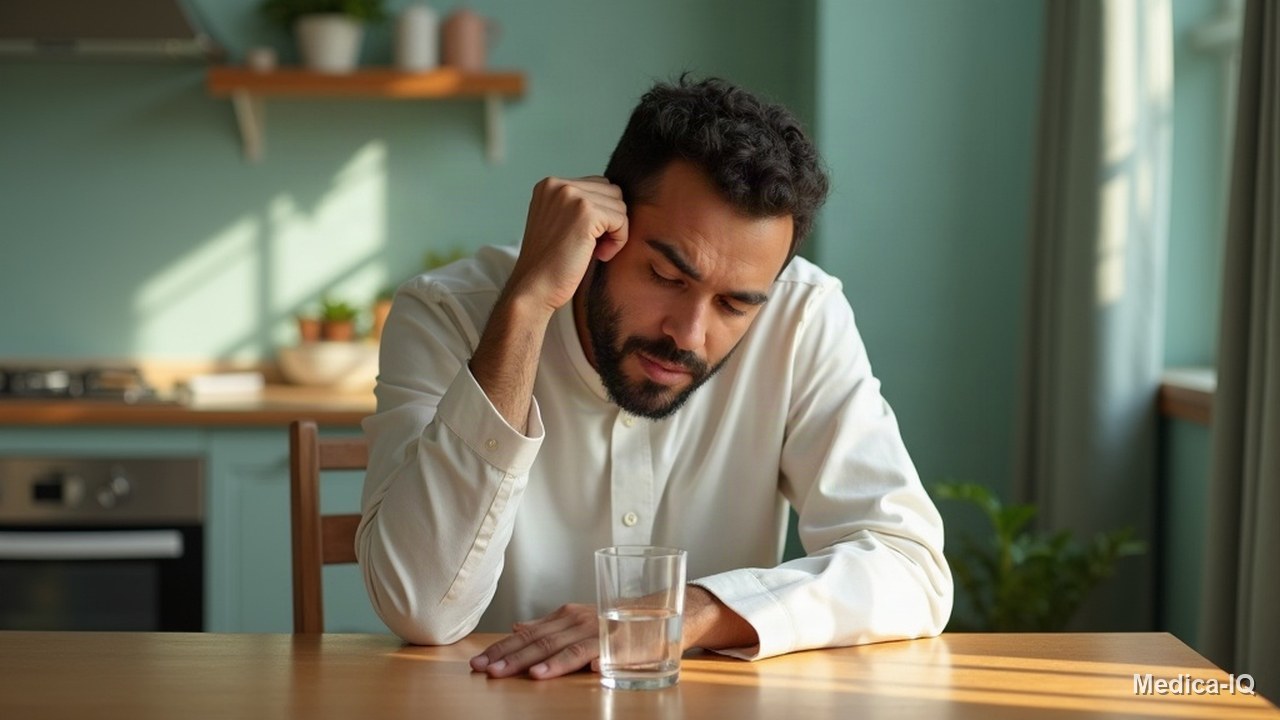
Health Risks When You Lose Half an Hour of Sleep Daily
A study involving 522 people recently diagnosed with type 2 diabetes showed that reducing hours of sleep during weekdays leads to negative outcomes. It was found that individuals with “sleep debt” were 72% more likely to suffer from obesity compared to those who get sufficient rest.
The loss of sleep hours was also linked to increased insulin resistance and adiposity. After 12 months, it was found that losing every 30 minutes of sleep increases the risk of insulin resistance by 39% and the likelihood of obesity by 17%. These factors are primary drivers of diabetes, which can in turn affect the nerves, kidneys, and eyes.
Hypersomnia Disorders: Kleine-Levin Syndrome
On the opposite end of sleep deprivation is a neurological disorder known as “Sleeping Beauty Syndrome” or Kleine-Levin Syndrome. This condition is characterized by recurrent episodes that drive the affected person to sleep between 15 to 21 hours per day, waking only to eat or use the bathroom.
Symptoms and Behaviors of the Syndrome
These episodes often appear during adolescence, with males being four times more likely to be affected than females. Symptoms include:
- A significant increase in appetite and eating unusual foods in two-thirds of patients.
- Experiencing nightmares and frightening hallucinations during sleep.
- Feeling confused, extremely lethargic, or behaving aggressively and hallucinating upon waking.
Causes and Diagnosis
The primary cause remains unknown, but some researchers attribute it to genetic factors, a dysfunction in the hypothalamus region of the brain, an autoimmune disorder following the flu, or as a result of head trauma.
Diagnosis relies on ruling out other diseases through blood tests, MRI, and CT scans to exclude brain tumors or hypothyroidism.
Treatment Options and Recovery
There is no definitive cure, but some medications are used to reduce the duration of an episode or improve mood, such as:
- Amantadine: Proven effective in 45% of patients.
- Lithium: Helped regulate mood in 25% of cases.
- Stimulant pills: To enhance alertness and reduce drowsiness.
A patient is considered recovered if six years pass without an episode; symptoms usually disappear within 8 to 12 years from their onset.
When Should You Visit a Doctor?
Medical consultation should be sought immediately if the following signs appear:
- Suddenly and periodically sleeping for very long hours (exceeding 15 hours).
- Severe behavioral changes such as aggression or hallucinations after waking.
- A sudden and unexplained increase in appetite and weight.
- Inability to perform daily or academic tasks due to excessive sleepiness.
FAQ
What is Sleeping Beauty Syndrome?
It is a neurological disorder that causes episodes of hypersomnia lasting days or weeks, where the affected person sleeps for most of the day.
Does a slight lack of sleep affect weight?
Yes, studies have shown that losing just 30 minutes of sleep daily increases the risk of obesity and insulin resistance.
How is Kleine-Levin Syndrome diagnosed?
Diagnosis is performed by ruling out other psychiatric and organic diseases using MRI, CT scans, and blood tests.
Disclaimer: This content is for informational purposes only and does not substitute for professional medical advice.
Related articles
- Best Time for Teens to Sleep: A Complete Guide
- Rhythmic Movement Disorder: Symptoms and Treatment
- Understanding Common Types of Sleep Disorders
- Sleep Test Guide: Types, Procedures, and Diagnosis
- More about Sleep & Sleep Disorders
Illustration: AI-generated
approved by: Medica Health team