Learn the practical and psychological steps necessary after a positive HIV test, and how to obtain the medical and emotional support needed to live a healthy life.
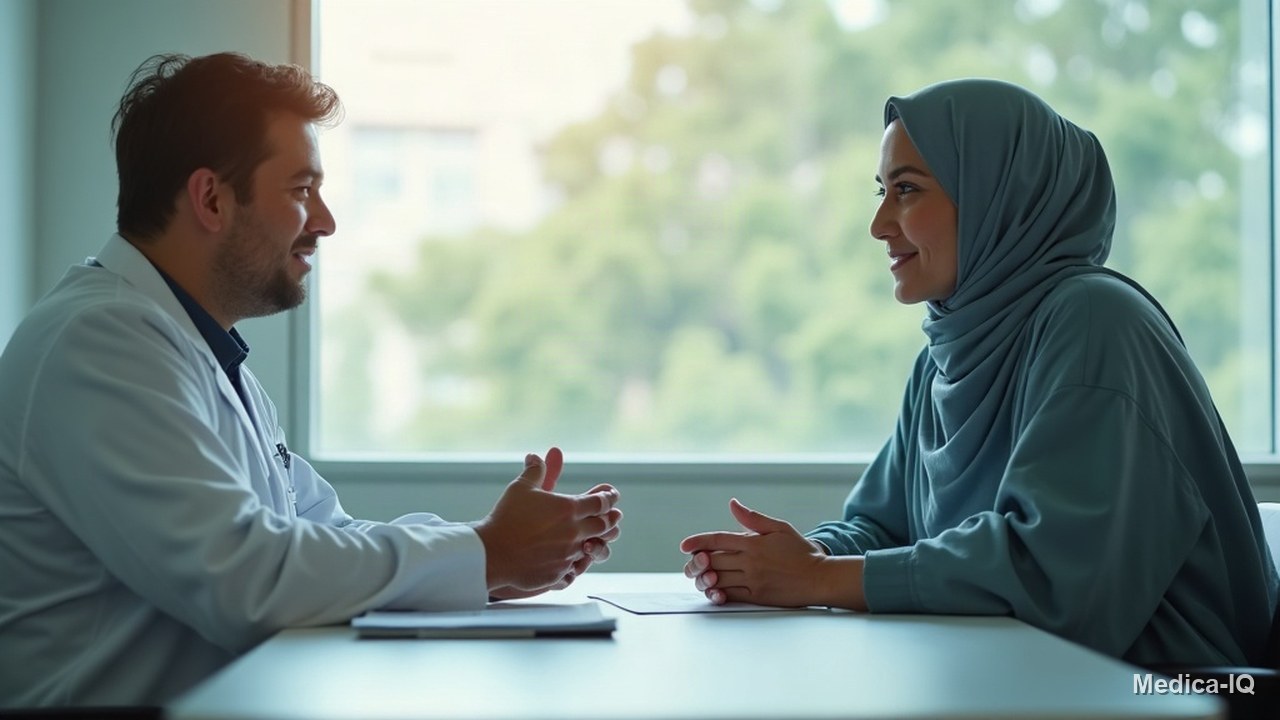
What Happens After a Positive HIV Test?
When an initial result is positive, the medical team performs another confirmatory test to verify the infection. This is because some screenings may produce “false positives” due to high sensitivity, even if no viral antibodies are present in the blood. After confirmation, the patient’s general health is assessed, and they are referred to a specialist.
Initial support during this stage includes:
- Discussing current emotions and identifying available support sources.
- Providing guidance on safe sex and the use of condoms in all sexual practices to prevent transmitting the infection to partners.
- Providing reliable written information about the disease and its treatments to dispel myths.
Psychological and Social Adjustment to the Diagnosis
It is normal to feel a mixture of shock, anger, sadness, or even relief at knowing the truth. Since modern treatments have turned the infection into a manageable long-term condition, early diagnosis and proper care allow those infected to reach a normal life expectancy.
Coping Strategies:
- Leverage past experiences: Remember how you handled previous crises in your life and use that strength to get through this stage.
- Thoughtful communication: Do not rush to tell everyone; identify the people you trust and the reason for sharing the news, and think about how to answer their questions.
- Seek support groups: Connecting with others living with the virus can be very helpful for exchanging experiences.
Dealing with Specific Challenges
- Depression: If feelings of intense sadness, difficulty sleeping, or loss of enjoyment in social activities persist for a long time, it may be an indicator of depression that requires therapeutic intervention through a specialized clinic.
- Pregnancy: If the infection is discovered during pregnancy, medical services provide the necessary support to reduce risks to the fetus, as an infected woman can give birth to a healthy, uninfected child.
FAQ About the HIV Test
Does a positive result always mean infection?
Not necessarily at first, as “false positives” can occur. Therefore, a confirmatory test is always performed to ensure the accuracy of the diagnosis.
Can an infected person continue to work and live their life?
Yes, most infected individuals continue their work and do not have to give up their emotional or sexual relationships, especially when adhering to treatments and preventive measures.
How can I protect my partner after a positive result?
Safe sex guidelines must be followed, including the use of condoms during vaginal, anal, or oral sex to prevent the virus from transmitting.
When to Visit a Doctor Immediately?
Urgent medical help should be sought in the following cases:
- The appearance of severe and persistent symptoms of depression that affect the ability to perform daily activities.
- Questions regarding the side effects of treatments or how to begin healthcare.
- The need for immediate guidance to reduce the risk of transmitting the virus to the fetus during pregnancy.
Disclaimer: This content is for informational purposes only and is not a substitute for professional medical advice.
Related articles
- Recognizing Early AIDS Symptoms and Warning Signs
- The Link Between Getting HIV and Anal Cancer Risk
- HIV Disease Medications and Cholesterol Levels
- AIDS treatment crocodile blood
- More about HIV & AIDS
Illustration: AI-generated
approved by: Medica Health team