Proper rest is vital for physical recovery and mental focus, yet many student athletes struggle to hit recommended sleep targets.
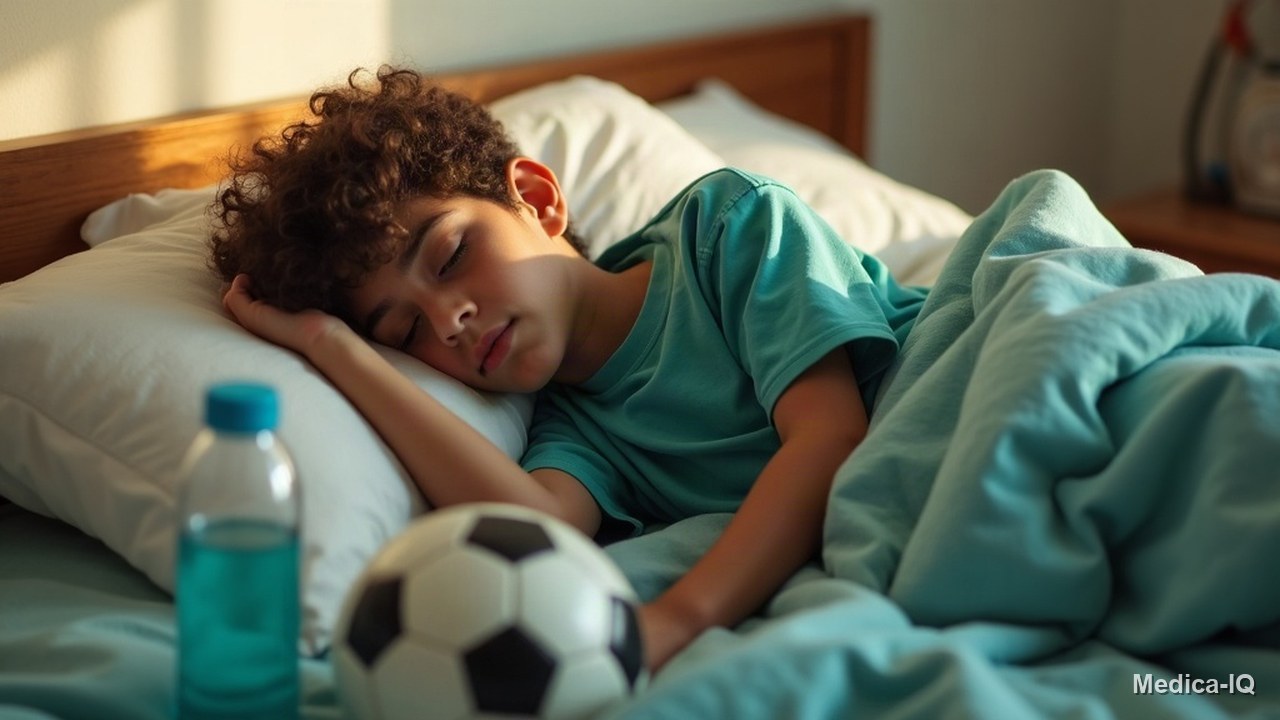
Why Sleep Is Essential for Student Athletes
During sleep, the body repairs tissues and bones while managing energy stores. Athletes often spend more time in slow wave sleep—the specific stage where growth hormones release to fix muscle wear-and-tear.
Beyond physical healing, rest is critical for the brain. It supports:
- Cognitive Function: Sharpening judgment, focus, and decision-making during a game.
- Skill Acquisition: Cementing new techniques learned during training through memory consolidation.
- Mental Health: Regulating mood and reducing the risk of irritability, anxiety, and depression.
- Immune Support: Producing cytokines that help the body fight off infections.
How Much Sleep Do Student Athletes Need?
Sleep requirements vary by age and the intensity of physical exertion. Advice differs across sources: some guidelines suggest elite performers aim for at least 9 hours, while other general recommendations for adults start at 7 hours.
Specific age-based guidelines include:
- Children (ages 6-12): 9 to 12 hours per night.
- Teens (ages 13-18): 8 to 10 hours per night.
Research indicates that extending sleep can provide a performance boost. For example, basketball players who slept 10 hours a night showed improved shooting accuracy, faster sprint times, and better reaction times. Similarly, varsity tennis players saw serve accuracy increase from approximately 36% to nearly 42% when sleeping at least 9 hours.
Consequences of Sleep Deprivation
Insufficient rest can lead to significant physical and academic declines. Student athletes who consistently sleep less than 8 hours a night have a 1.7 times higher risk of injury.
Other negative effects include:
- Reduced Physical Ability: Slower reaction times, decreased endurance in cycling or running, and quicker exhaustion.
- Impaired Accuracy: A potential drop in serve accuracy for tennis players by up to 53%.
- Safety and Health Risks: Higher likelihood of drinking and driving, weakened immune systems, and an increased risk of suicidal ideation.
- Academic Impact: Lowered school performance and impaired executive functions.
Factors Affecting Rest and Improving Sleep in Student Athletes
Several hurdles prevent students from getting quality rest: irregular bedtimes due to early workouts, competition stress, and blue light from smartphones. Physical issues, such as sore muscles or high core body temperatures after evening practices, can also interfere.
To support improving sleep in student athletes, consider these hygiene tips:
- Environment: Keep the bedroom dark, quiet, and cool. Use earplugs or masks in noisy dorms or hotels.
- Routine: Establish a wind-down activity, such as reading, and avoid screens before bed.
- Diet: Avoid alcohol, nicotine, caffeine, and large meals in the evening.
- Napping: Short naps (under one hour) taken before 3 p.m. can help those with restrictive schedules, though they should be used cautiously to avoid nighttime insomnia.
FAQ
How does sleep affect athletic performance?
Sufficient sleep improves speed, accuracy, and reaction time. Conversely, sleep loss can lead to slower sprints, poor decision-making on the field, and faster physical exhaustion.
Why is sleep important for student athletes?
It is necessary for repairing muscles and bones, maintaining the immune system, and ensuring the cognitive focus required for high-level competition and academic success.
How is sleep different for athletes?
Athletes may need more sleep than the average person to recover from intense exertion. They may also benefit from “sleep extensions” (adding 1-2 hours) before major competitions to clear sleep debt.
When to See a Doctor
Consult a healthcare provider if you or a student athlete experience:
- Persistent insomnia that does not improve with better hygiene.
- Symptoms of sleep apnea, particularly for those in contact sports like rugby.
- Ongoing sleep disturbances following a concussion.
- Signs of depression or anxiety that interfere with the ability to rest.
Medical Disclaimer: This content is for informational purposes only and does not constitute medical advice. Always seek the advice of a physician or other qualified health provider with any questions regarding a medical condition
Related articles
- How to Fall Asleep Fast: Tips and Techniques
- Hypnopompic Hallucinations: Symptoms, Causes & Treatment
- How Sleep Loss Insulin Resistance Teens Develops
- Best Healthy Bedtime Snacks to Help You Sleep
- More about Sleep & Sleep Disorders
Illustration: AI-generated
approved by: Medica Health team