Early diagnosis of poor eyesight helps provide educational and training services for children, enabling them to achieve their best possible performance and integrate into society.
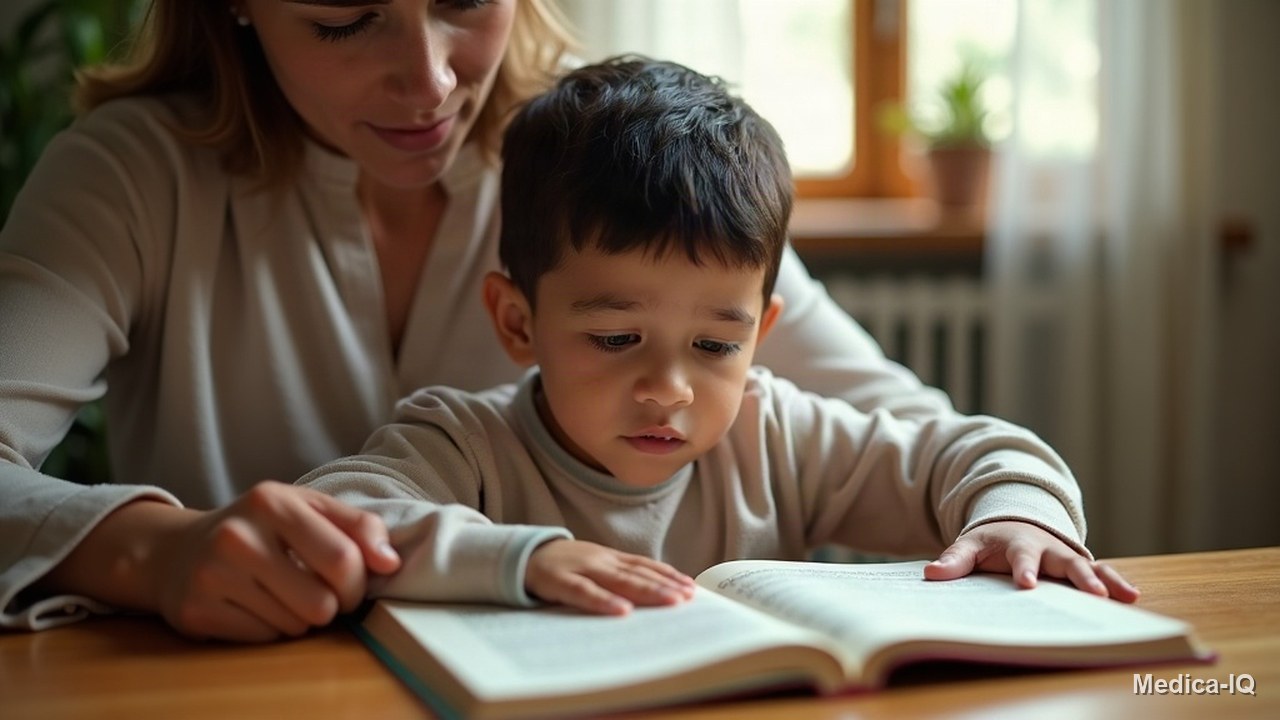
Goals of Early Diagnosis for Poor Eyesight
Rapid detection of visual issues during childhood aims to achieve several key objectives:
- Identifying visual impairment early or working toward its prevention.
- Supporting children at risk of impairment to reach their maximum potential.
- Guiding families through training, counseling, and appropriate information to empower them to care for their children and participate actively in their upbringing.
- Improving the child’s environment through specialized intervention programs supervised by experts.
How to Recognize Symptoms of Vision Problems
The signs that may appear in a child vary and require attention, categorized into several types:
Physical and Sensory Symptoms
- Feeling eye pain, itching, burning, or tingling.
- Seeing floaters, double vision, or blurriness.
- Headaches or nausea after performing tasks that require close concentration.
- A sensation of sand or something gritty inside the eye.
- Dizziness while reading or writing.
Noticeable Behaviors
- Bringing books and objects excessively close to the eyes.
- Tilting the head or covering one eye when looking.
- Frequent blinking and frowning to try and focus.
- Constantly rubbing the eyes.
- Tripping over small objects or poor performance in games that rely on sight.
- Irritability or feeling sleepy and tired after reading for long periods.
- Academic difficulties resulting from vision deficits.
Early Signs of Poor Eyesight
Some external signs can be clearly observed, such as:
- Redness of the eyes and watery tearing.
- Swollen or inflamed eyelids.
- Appearance of crusts or filaments on the eyelid.
- Permanent or recurrent strabismus (crossed eyes).
- Constant crying by the child.
Signs of Vision Issues in the School Environment
Teachers can notice specific indicators in a student in class, including:
- Preferring auditory activities over those requiring the use of the eyes.
- Lack of interest in reading or looking at the blackboard.
- Frequent collisions with objects or falling.
- Extreme caution and slowness when using stairs.
- Confusing numbers, letters, or similar-looking objects.
Important Considerations for Early Detection
The success of the intervention process requires a qualified and trained staff, taking the following into account:
- Enhancing the interaction between the child and their family and supporting this relationship.
- Considering parents as active partners in all stages of intervention.
- Relying on experts specialized in assessing visually impaired children.
- Studying different models of intervention programs to determine the specific needs of each child.
FAQ
What are the symptoms of vision problems?
These include eye pain, double vision, headaches when reading, bringing objects close to the eyes, and frequent tripping over objects.
What are the goals of early diagnosis?
Preventing impairment or detecting it quickly, helping the child achieve optimal performance, and supporting the family in managing the condition.
What does bad eyesight look like in terms of visible signs?
It appears as eye redness, watery tears, swollen eyelids, strabismus, or constant crying by the child.
Who is responsible for early detection?
This responsibility falls upon the family, kindergarten teachers, maternal and child health centers, and physicians.
When to Visit a Doctor?
A child should be referred for a thorough examination as soon as one or more of the mentioned indicators are noticed, especially when the following appear:
- Persistent redness or eye discharge.
- Obvious difficulty seeing the blackboard or reading books.
- Sudden changes in the child’s visual behavior, such as tilting the head or covering an eye.
Disclaimer: This content is for informational purposes only and does not substitute for professional medical advice.
Related articles
- Phaco Eye Surgery: Procedure and Recovery Guide
- Swollen Eyelids: Causes and Treatment Options
- Optic Neuritis: Symptoms, Causes, and Treatment
- How to Keep Your Eyes Healthy: Tips for Better Vision
- More about Eye Diseases
Illustration: AI-generated
approved by: Medica Health team