Continuous positive airway pressure (CPAP) is a medical treatment that employs a machine to deliver air pressure, keeping the throat open during sleep to treat apnea.
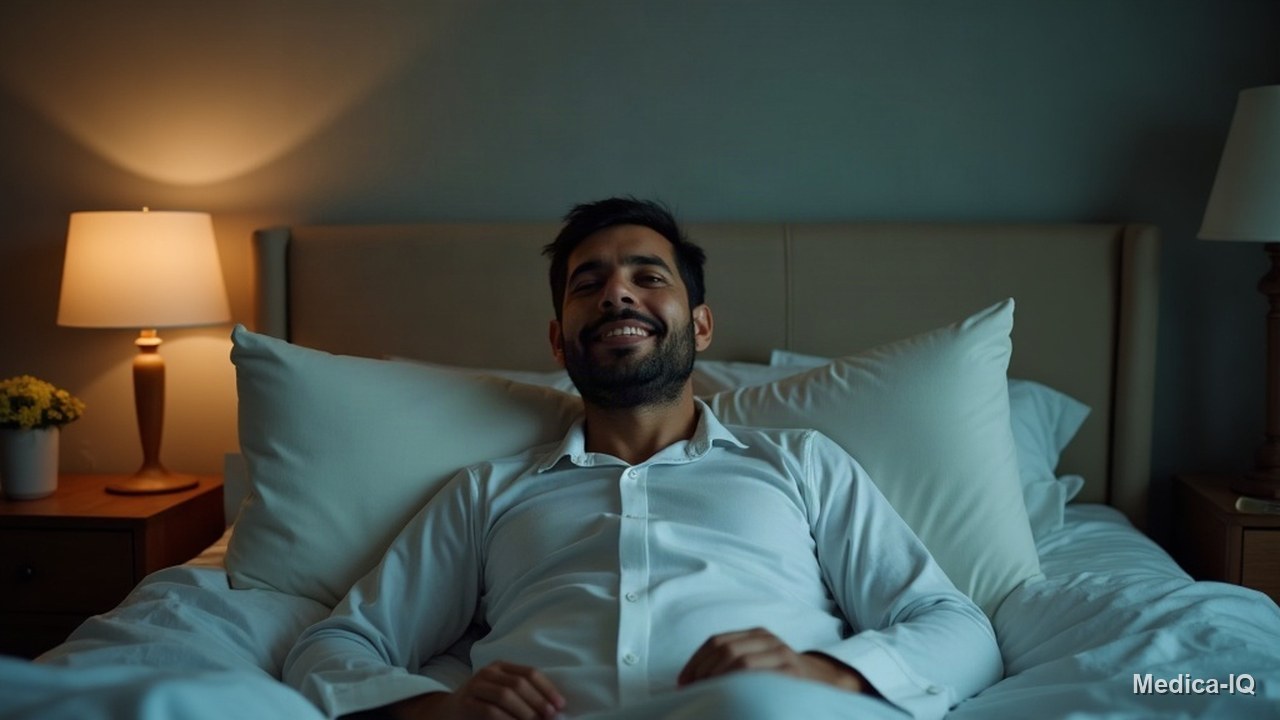
How Continuous Positive Airway Pressure (CPAP) Works
A CPAP device utilizes a motor, filters, and a humidifier to send air through a tube into a mask. This mask seals over the nose or mouth, pushing a steady stream of air into the airway. The resulting pressure prevents the soft tissues of the throat from collapsing, stopping the breathing pauses and snoring associated with obstructive sleep apnea.
When breathing stops, the machine provides a constant flow of air to reopen the passage, allowing the user to breathe normally without waking.
Types of Machines and Masks
Different versions of this therapy are available depending on a patient’s needs:
- Standard CPAP: Provides one fixed level of air pressure.
- APAP: An auto-adjusting version that changes pressure based on the person’s breathing.
- BiPAP: Uses two different pressure settings for inhaling and exhaling.
- Travel Versions: Small, lightweight machines for those on the go.
Mask styles vary to ensure a comfortable fit. Options include nasal pillows (small prongs), nasal masks (covering only the nose), full face masks (covering both nose and mouth), and rare oral masks.
Benefits and Side Effects
Using this therapy can lead to better sleep quality, a reduction in loud snoring, and less fatigue during the day. It also supports cardiovascular health and cognitive focus.
Some users may experience side effects, such as:
- Dryness in the nose or mouth.
- Skin marks or irritation from the mask.
- Bloating or gas caused by swallowing air.
- Feelings of claustrophobia or sensitivity to machine noise.
Comparing CPAP and EPAP
For those who cannot tolerate a machine, Expiratory Positive Airway Pressure (EPAP) is an alternative. While a CPAP machine uses a motor and electricity, EPAP uses a small nasal valve that creates pressure using only the patient’s own breath during exhalation.
Evidence on effectiveness differs; some research suggests they are equally helpful, while other studies indicate that a machine is more effective. EPAP is generally suggested only for mild to moderate apnea and requires the user to breathe through their nose.
Getting and Maintaining Your Device
A prescription is required because these are medical devices. A doctor or sleep specialist typically orders the device after a sleep study. Costs generally range from $500 to over $1,000. Your local health service may cover a portion of the cost for those with obstructive sleep apnea, often starting with a three-month trial.
To maintain the equipment:
- Wash the tubing and mask cushion daily with mild, fragrance-free soap.
- Clean the humidifier chamber weekly.
- Use distilled water in the humidifier to prevent mineral buildup.
- Avoid ozone or UV cleaners.
When to See a Doctor
Consult a healthcare provider if you experience the following:
- Persistent daytime sleepiness or gasping for air during the night.
- Severe discomfort or skin breakdown from the mask.
- Airflow that feels too forceful or makes it difficult to sleep.
- Nasal obstructions that prevent the use of nasal-based devices.
FAQ
Do you need a prescription for a CPAP machine?
Yes, these devices are classified as medical equipment and require a prescription from a healthcare provider.
Are CPAP machines covered by health services?
Your local health service typically covers a portion of the cost if the supplier and doctor are enrolled, though users may still have a co-payment.
Can you use purified water in a CPAP machine?
Distilled water is the best choice to avoid mineral buildup; purified water should only be used as a temporary last resort.
How long does it take for the therapy to work?
Some people feel more alert and sleep better within a few nights, while others may need several weeks to adjust.
Can EPAP stop snoring?
Research indicates that EPAP can significantly lower snoring by using exhalation pressure to keep the airway open.
Medical Disclaimer: This content is for informational purposes only and does not constitute medical advice. Always seek the guidance of a qualified health provider regarding a medical condition
Related articles
- Understanding Common Excessive Sleepiness Causes
- Common Snoring Causes and Effective Remedies
- Sleep Disorders in Children: Causes and Solutions
- Safe Sleep Aids While Pregnant: Options and Tips
- More about Sleep & Sleep Disorders
Illustration: AI-generated
approved by: Medica Health team