Getting the necessary vaccinations is an important step for those going for Hajj to reduce the risk of viral and bacterial infections resulting from large crowds.
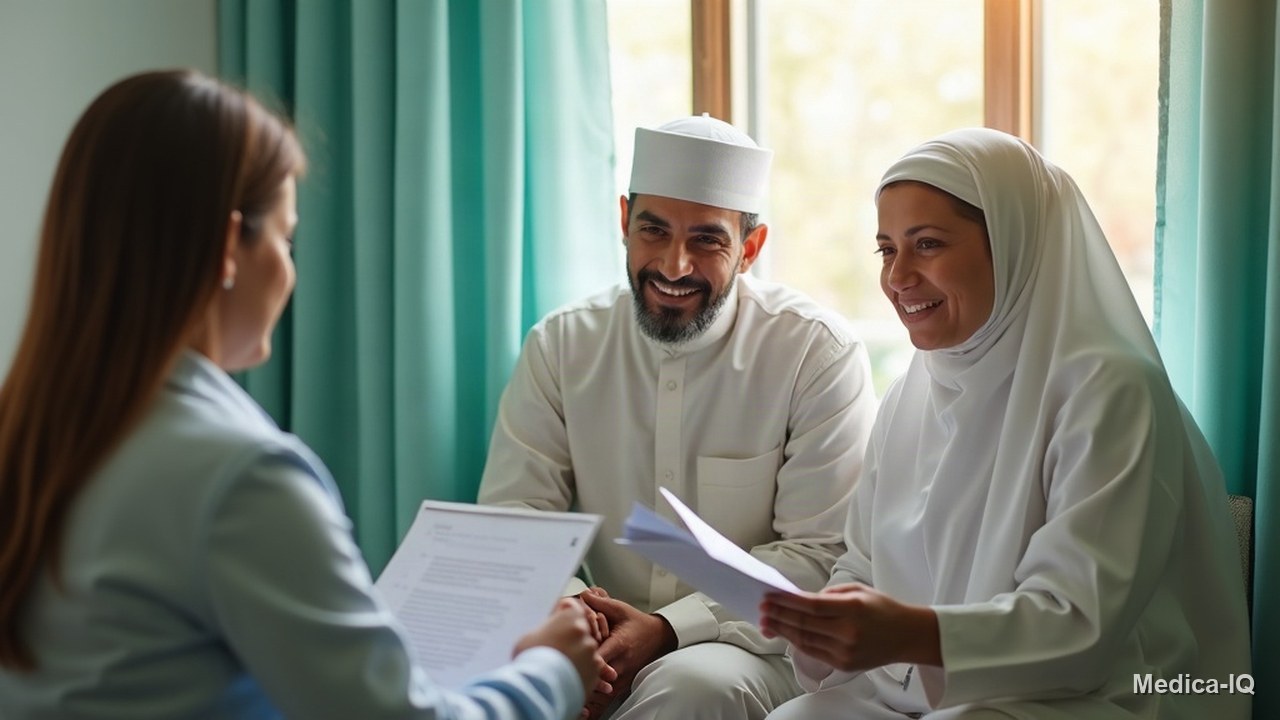
The Importance of Vaccinations When Going for Hajj
The likelihood of germs spreading through droplets or air increases during the Hajj season because large numbers of people gather in one place, which may lead to some pilgrims returning with infections. Therefore, preventive measures are vital to reduce the severity of symptoms or prevent infection. The most prominent vaccines include:
- Influenza Vaccine: Provides protection for about 70% of people against various strains of flu; it is recommended to use the vaccine specific to the current season.
- Meningococcal Vaccine (Meningitis): This is a basic requirement due to the severity of the disease, which can be fatal. The vaccine should be administered 10 days before travel. If delayed, a single dose of rifampicin and ciprofloxacin is recommended for children and pregnant women.
- Pneumococcal Vaccine: Recommended for high-risk groups, such as the elderly, organ transplant recipients, and those with kidney failure, immunodeficiency, or sickle cell anemia.
- Childhood Immunizations: Ensure that children have received all scheduled vaccinations for their age in addition to the specific Hajj vaccines.
Additional Health Guidelines for Pilgrims and Umrah Performers
Based on health recommendations, the following is advised:
- Obtain vaccinations against Typhoid and Hepatitis B.
- Maintain hand hygiene and avoid touching the eyes or nose with unclean hands.
- Avoid foods whose preparation methods are not reliable.
- Use face masks and keep distance from infected individuals, especially those with Corona.
Groups Advised to Avoid Travel or Consult a Doctor
Recommendations vary according to health status as follows:
- Prohibited from going: Children under 12 years old and individuals over 65 years old.
- Advised against going: People with cancer or immunodeficiency to avoid life-threatening complications.
- Special recommendations: It is preferred that pregnant women do not go to avoid infections that could harm them or the fetus. Additionally, patients with diabetes and kidney disorders must consult a specialist before planning the trip.
FAQ
When should the meningitis vaccine be taken?
It is recommended to take this vaccine 10 days before traveling to Saudi territory.
Who are the candidates for the pneumococcal vaccine?
It is recommended for the elderly, people with immunodeficiency, kidney failure, sickle cell anemia, and those who have undergone organ transplants.
Do children need special vaccinations?
Yes, children must be vaccinated with all necessary vaccines for their age alongside the Hajj vaccines.
When to Visit a Doctor?
You should see a doctor immediately if signs of a bacterial or viral infection appear. Furthermore, pilgrims suffering from chronic diseases such as diabetes or kidney failure should visit a doctor before planning their travel to evaluate their health status.
Disclaimer: This content is for informational purposes only and is not a substitute for professional medical advice.
Related articles
- Understanding HPV Infection: Causes and Prevention
- Flu Vaccine Guide: Benefits, Types, and Annual Prevention
- Adult Vaccines: Recommended Immunizations for Adults
- Vaccines Required for Hajj: Mandatory and Recommended
- More about Vaccines
Illustration: AI-generated
approved by: Medica Health team