Maintaining eye health requires following precise preventive guidelines during various daily activities to avoid injuries that could affect vision or cause severe pain.
How can we maintain vision in different circumstances?
The eye is a very sensitive organ; the cornea that protects it is only half a millimeter thick, making it highly susceptible to damage.
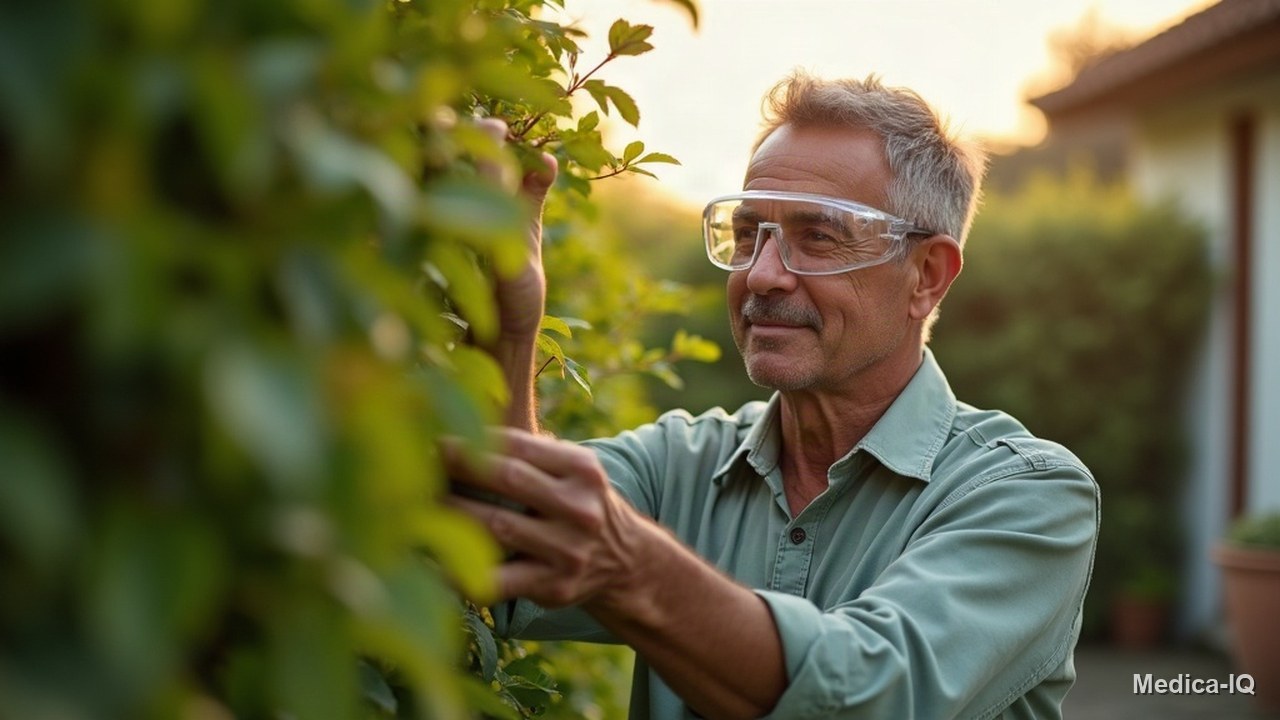
Eye safety at home and in the garden
Eye injuries are common in the garden, so be cautious of branches at eye level and avoid flying particles from soil. Be careful with pond water and soil, as they may contain the “Acanthamoeba” germ, which causes corneal ulcers. Wearing any type of glasses, including sunglasses, is an effective way to protect yourself.
Dealing with chemicals and DIY projects
Household chemicals, such as cleaners and weedkillers, can cause serious burns. Alkaline substances are more harmful than acids because they can penetrate the eye more quickly. In case of exposure, immediately flush the eye with large amounts of fluid, such as eye wash, lens rinsing solution, or pure tap water.
When doing DIY work, flying hot metal shavings can lead to “siderosis” (iron deposits), which affects vision. Therefore, impact-resistant safety goggles must be worn.
Protection in the sun and during leisure activities
Looking directly at the sun, especially during an eclipse, destroys the retina and causes permanent scars or burns. It is recommended to use high-quality sunglasses that provide UV protection.
In sports, squash and racket balls pose a risk to the eyes, so wearing sports safety goggles is preferred. Additionally, avoid wearing contact lenses while swimming and replace them with protective goggles.
Workplace eye safety and driving
Long working hours in front of computers affect the eyes, potentially causing headaches, itching, and difficulty focusing. To avoid this, you should:
- Take regular breaks.
- Look at distant objects, such as gazing out the window.
- Provide adequate lighting to prevent glare on the screen.
When driving, ensure you can read license plates within a 20-meter radius. Night drivers can use glasses with an anti-reflective coating to reduce glare.
Eye pressure and health indicators
Measuring the pressure of the aqueous humor inside the eye is a key indicator of overall eye health and helps diagnose conditions such as glaucoma.
Eye pressure rates
Opinions vary on a specific safe number for everyone, but most studies indicate that the normal range is between 10 and 21 mmHg. This value may vary from person to person or change slightly throughout the day, while large fluctuations pose a risk.
High and low pressure
- High: When pressure exceeds 21 mmHg, which may be a sign of potential glaucoma that damages the optic nerve.
- Low: When pressure falls below 6.5 mmHg, which may result from retinal detachment or certain medications such as beta-blockers.
Factors affecting pressure
Pressure levels are influenced by several factors, including aging (especially after forty), family history, and ethnic origin (where high pressure is more common in those of African descent due to corneal thickness), as well as long-term use of steroid medications or diabetes.
General tips for ways to protect your eyes
- Diet: Eat foods rich in Omega-3, Vitamin C, Vitamin E, and antioxidants found in dark leafy greens.
- Healthy Habits: Quit smoking to reduce the risk of cataracts, and reduce caffeine consumption, as one cup of coffee can raise pressure for 90 minutes.
- Lifestyle: Distribute fluid intake throughout the day instead of drinking large amounts at once, and use a foam pillow to slightly elevate the head during sleep to lower pressure.
FAQ
What is eye health?
It refers to the overall function and condition of the eyes, including the maintenance of the aqueous humor pressure and the protection of the cornea and retina from damage.
What is the normal eye pressure measurement?
Normal readings typically range between 10 and 21 mmHg, but only a specialist can determine if a specific value is normal for an individual.
What is the relationship between high eye pressure and glaucoma?
Persistent high pressure can lead to damage of the optic nerve responsible for vision, a condition known as glaucoma.
What does high or low eye pressure mean?
High pressure means the reading exceeds 21 mmHg, which is a risk indicator for glaucoma, while low pressure means the reading is below 6.5 mmHg.
Does the eye pressure rate change during the day?
Yes, it is normal for slight changes in measurements to occur daily or weekly, but sharp changes are what warrant concern.
When should you visit a doctor?
You should see a doctor immediately if the following signs appear:
- Direct injury or a scratch on the cornea.
- Chemicals or metal particles entering the eye.
- Feeling severe pain or sudden loss of vision.
- Noticing sharp changes in vision levels or symptoms of persistent eye strain.
Disclaimer: This content is for informational purposes only and does not substitute for professional medical advice.
Related articles
- Orbital Cosmetic Surgery and Eyelid Procedures Guide
- Understanding and Treating Childhood Amblyopia
- Eyelid Lift Surgery: Benefits and Procedure Details
- Understanding Different Colored Irises and Their Causes
- More about Eye Diseases
Illustration: AI-generated
approved by: Medica Health team