Zirconia dental crowns are a modern choice that provides patients with a bright, natural smile thanks to the material’s strength and high biocompatibility with the gums.
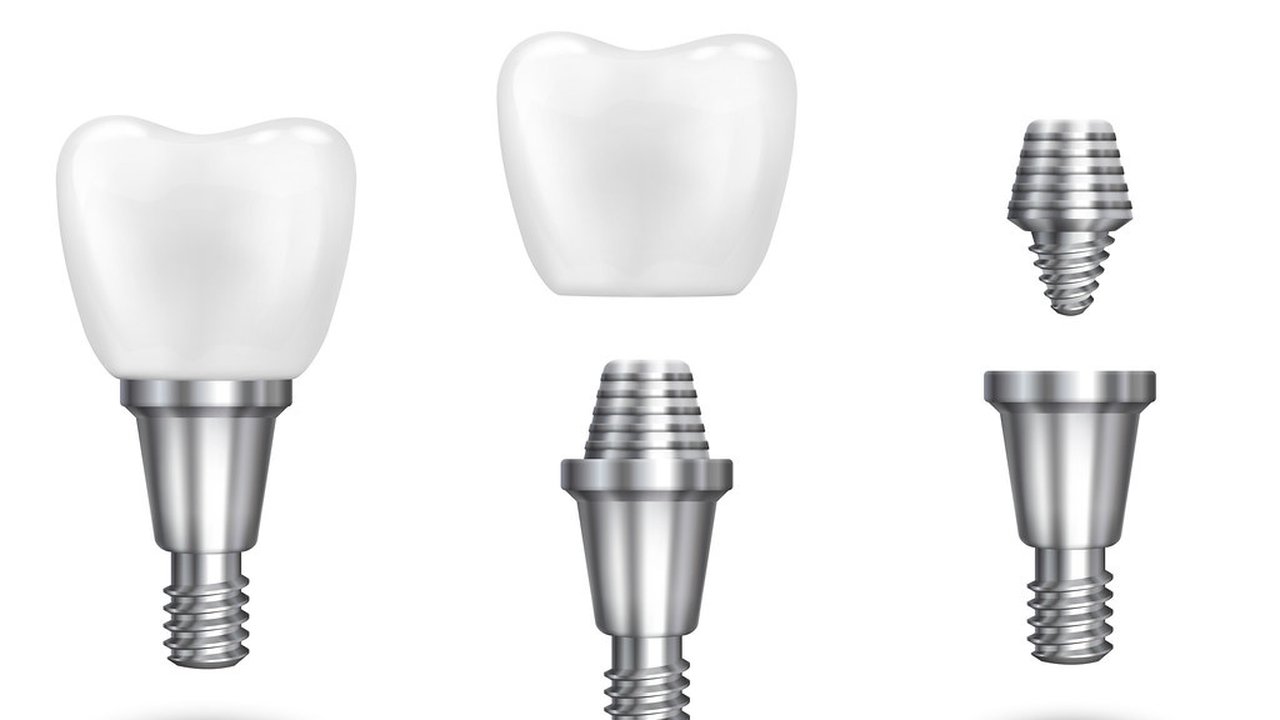
What are zirconia dental crowns and their advantages?
Zirconia teeth are composed of a blend of elements including zirconium, oxygen, and silicon, along with some radioactive elements like uranium. While this material was previously used in the production of synthetic diamonds, it has become a favorite in restorative and cosmetic dentistry for several reasons:
- A translucent white color that mimics natural teeth.
- High strength and durability.
- Ease of the installation process.
- Full compatibility with gum tissues.
Uses and benefits of zirconia dental restorations
The applications of this material in the field of dental restoration and aesthetics are diverse, including:
- Bridges and Caps: Zirconia is characterized by its resistance to scratching or breaking and its lack of thermal conductivity, providing high stability in bridges to prevent them from falling.
- Front Teeth: Using zirconia crowns for front teeth is preferred due to their ability to provide a natural luster that is difficult to distinguish from original teeth, while enhancing food-cutting efficiency.
- Implants and Dentures: Zirconia implants help stimulate bone cell growth and do not conduct heat. Dentures made from this material are free of metal bases, making them stronger and easier to clean than porcelain.
Zirconia vs porcelain crowns
Zirconia differs from porcelain in several fundamental points:
- Appearance: Zirconia provides a whiter and more natural look.
- Composition: Zirconia does not require metal bases for fixation, whereas porcelain does; these metal bases may change color over time or cause allergies.
- Durability: Zirconia resists rust and corrosion and does not need to be replaced after a few years.
- Cost: Zirconia restorations are generally more expensive than porcelain ones.
Disadvantages and challenges of using zirconia
Despite the advantages, users may face some drawbacks:
- Friction between zirconia and opposing teeth may lead to wear due to its extreme hardness.
- It can be difficult to detect tooth decay occurring under the restoration.
- High financial cost.
Frequently Asked Questions about Zirconia Dental Crowns
How long do zirconia dental crowns last?
Yes, they can last a lifetime due to their hardness, but their lifespan depends on oral hygiene and avoiding harmful habits such as chewing ice or opening packages with the teeth.
Do they cause bad breath?
No, zirconia does not cause bad odors because it is biocompatible and requires no metal bases. Bad breath usually results from neglecting oral hygiene, so the consistent use of dental floss and brushing is recommended.
Is zirconia the same as veneer?
Veneers are thin shells attached to the tooth surface to improve its appearance; these shells may be manufactured from zirconia or other materials.
How is the price of zirconia restorations determined?
The cost is affected by several factors, including the number of teeth involved, the qualifications of the treating physician, as well as the geographical location and the medical center.
When should you visit the doctor?
You should consult a dentist immediately in the following cases:
- Sudden inflammation of the gums surrounding the restoration.
- Feeling that bridges or caps are unstable.
- Noticing wear on the teeth opposing the restoration.
Disclaimer: This content is for informational purposes only and does not substitute for professional medical advice.
Related articles
- One to Smile Clear Aligners for a Smile Makeover
- Laser Teeth Whitening: Benefits and Side Effects
- Best Foods that Strengthen Teeth and Whiten Them
- Burnt Tongue Treatment and Recovery Tips
- More about Dental Treatment & Surgery
Photo: valleysmilesphx, PDM 1.0, via flickr.com
approved by: Medica Health team