This guide explores the methods of herbal treatment and its various uses, while highlighting the potential health risks associated with using unstudied mixtures.
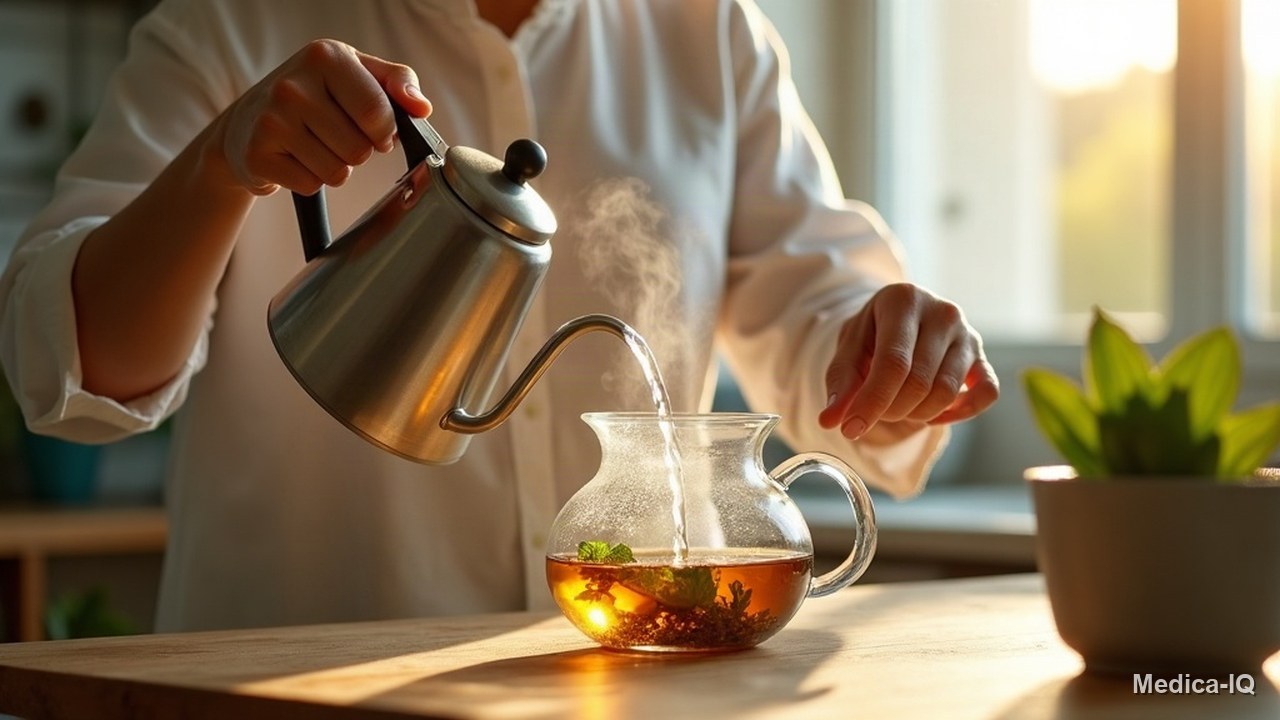
Methods of Herbal Treatment and Their Applications
There are many ways to benefit from nature for healing, including using plant decoctions, infusions, or extracting active ingredients for use in pharmaceutical formulations. These applications include:
- Digestive Issues: Fennel tea helps relieve abdominal bloating, while peppermint soothes stomach muscles (though it is preferable to avoid it if you are seeking a natural treatment for acid reflux).
- Mental Health and Sleep: Lavender helps promote sleep by lowering heart rate and blood pressure, while chamomile helps reduce stress.
- Behavioral Disorders: Concentrated plant compounds (including about 20 types such as parsley and willow bark) are available to improve the behavior of children with ADHD, with results appearing within 10 days or a few weeks.
- Specialized Plants: The Nutgrass plant is used to treat diarrhea and urinary tract problems, while Tamarix oils are used in some skin treatments, such as a natural treatment for eczema and psoriasis.
Risks and Herbal Medicine Precautions
Contrary to the common belief that herbs are harmless, some plants contain deadly toxins; two castor beans or a quarter gram of Squill can lead to death. Key risks include:
- Random Mixtures: Herbalists sometimes rely on imprecise measurements (such as a handful), which can lead to dangerous chemical reactions causing liver damage, kidney failure, or infertility.
- Herbal Weight Loss Drugs: Some of these preparations may contain “pyrrolizidine alkaloids” that damage the liver, or substances that cause colon cancer and stomach ulcers. They may also be adulterated with stimulants that cause addiction or sudden spikes in blood pressure.
- Dangerous Ingredients: Some weight-loss blends contain rhubarb or senna, which may lead to potassium deficiency or cause long-term colon cancers.
Frequently Asked Questions About Using Herbs
What herbal treatment methods are used?
They are used either as infusions (herbal tea), decoctions of the whole plant, or via concentrated chemical extracts prepared in pharmaceutical laboratories to ensure precise dosing in milligrams.
What are the dangers of herbal weight loss drugs?
They can cause kidney failure or pancreatic damage, and some contain lead or substances that cause intestinal ulcers and colon cancers.
What are the herbal medicine precautions to follow when using herbal remedies?
You should be cautious of non-medical sources, avoid unknown herbalist mixtures, rely on diet and exercise for weight loss, and always consult specialists.
When to Visit a Doctor?
You must immediately stop using any herbal product and consult a doctor in the following cases:
- Appearance of signs of liver or kidney damage.
- A sudden increase in blood pressure.
- Feeling symptoms of addiction toward weight loss supplements with unknown ingredients.
- When wishing to combine herbal alternatives with chemical medications to avoid drug interactions.
Disclaimer: This material is for educational purposes only and is not a substitute for visiting a specialist physician.
Related articles
- Best Herbs for Fast Digestion and Gut Health
- Anemone Flower: Health Benefits and Medical Uses
- Neem Oil Benefits: Uses for Skin, Hair, and Plants
- Top Health Benefits of Green Tea with Lemon
- More about Medicinal Herbs
Illustration: AI-generated
approved by: Medica Health team