Maintaining the ideal sleeping temperature for a baby helps ensure a safe environment and promotes better rest for the infant and parents.
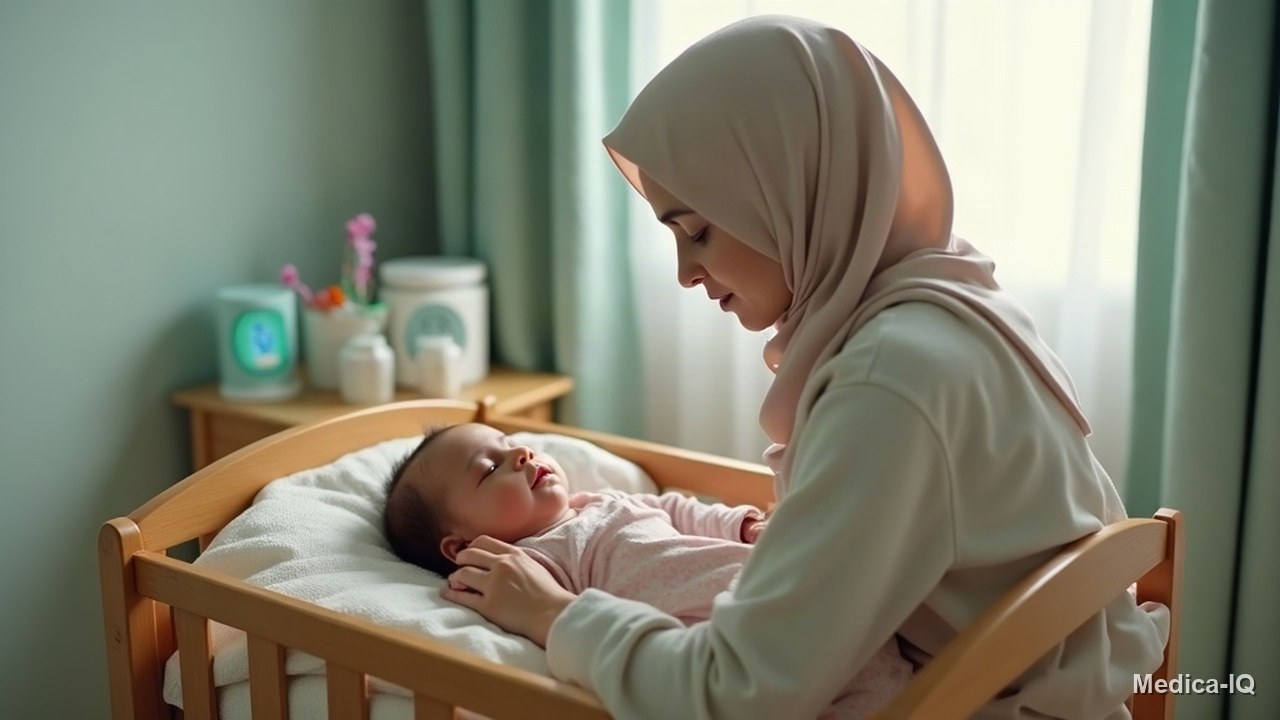
Determining the Ideal Sleeping Temperature
Experts generally suggest that a baby’s room be kept between 68 and 72 degrees Fahrenheit (20 to 22 degrees Celsius). However, advice differs slightly among organizations; the American Academy of Pediatrics does not name a specific range, instead advising parents to dress infants in clothing suited for the current ambient temperature.
Factors that may influence the best setting include:
- Regional Climate: Infants used to warmer weather may tolerate slightly higher temperatures.
- Developmental Stage: Preterm babies may require a slightly warmer room because they need more time to regulate their own body heat.
- Room Location: Bedrooms on higher floors often stay warmer than those on lower levels.
Why Temperature Control Matters
A room that is too cold or too hot can disrupt sleep quality and cause a baby to wake up during the night. Because infants sweat less than adults and cannot regulate their temperature as effectively, they are more prone to overheating. Excessive heat, whether from the room or too many layers of clothing, can increase the risk of sudden infant death syndrome (SIDS).
How to Maintain a Safe Sleep Environment
To keep the nursery at a consistent temperature, consider these steps:
- Monitor Closely: Keep the crib in your room until the baby is 12 months old and check on them often during naps.
- Manage Heat Sources: Place the crib away from radiators, windows, or direct heating elements.
- Use Tools: Use an indoor thermometer or a separate thermostat for the bedroom to avoid the risks associated with excessive heating.
- Summer Cooling: Use air conditioning or a fan, ensuring the fan is not pointed directly at the infant.
Safe Sleep and Clothing Tips
To help babies start sleeping through the night safely, follow these guidelines:
- Appropriate Layers: Dress infants in one more layer than an adult would wear for the same temperature. Use wearable blankets in cold weather instead of loose blankets.
- Crib Safety: Use a firm mattress with a snug fitted sheet. Remove pillows, stuffed animals, and loose bedding.
- Positioning: Always place babies on their backs to sleep for naps and nighttime until they are 1 year old.
- Safe Swaddling: Use light fabric and stop swaddling once the baby begins to roll over.
Signs of Temperature Distress
Check the baby’s abdomen or chest for an accurate temperature reading.
Signs of overheating:
- Flushed cheeks
- Sweating
- Skin that feels hot to the touch
Signs of being too cold:
- Shivering
- Skin that feels cool to the touch
When to See a Doctor
Contact a pediatrician if your baby’s skin remains too warm or cool despite adjusting the room temperature or clothing. Seek immediate medical help if you notice:
- Difficulty breathing
- Pale, grey, or dull skin
- Vomiting or feeding problems
- Limp muscles or extreme fatigue
- Unexplained irritability
FAQ
Do babies sleep better in a cold room?
Infants generally sleep better in a room that is comfortably cool. Because they lose body heat more easily than adults, they may need one extra layer of clothing to stay comfortable.
How do you know if your baby is too cold?
A baby who is too cold may shiver or have skin that feels cool to the touch.
What room temperature is too hot for a baby?
A room above 72 degrees Fahrenheit (22 degrees Celsius) may be too warm. If the baby’s chest feels hot, remove layers of clothing or lower the thermostat.
Disclaimer: This content is for informational purposes only and does not substitute for professional medical advice, diagnosis, or treatment.
Related articles
- Understanding Alzheimer’s and Sleep Patterns
- Women and Sleep: Causes, Disorders, and Better Rest
- How to Feel Awake After No Sleep: Tips and Strategies
- Non-24-Hour Sleep-Wake Rhythm Disorder: Symptoms & Diagnosis
- More about Sleep & Sleep Disorders
Illustration: AI-generated
approved by: Medica Health team