A recent New Study Shows CPAP Therapy Can Aid Memory by improving brain wave patterns and increasing deep sleep in people with obstructive sleep apnea.
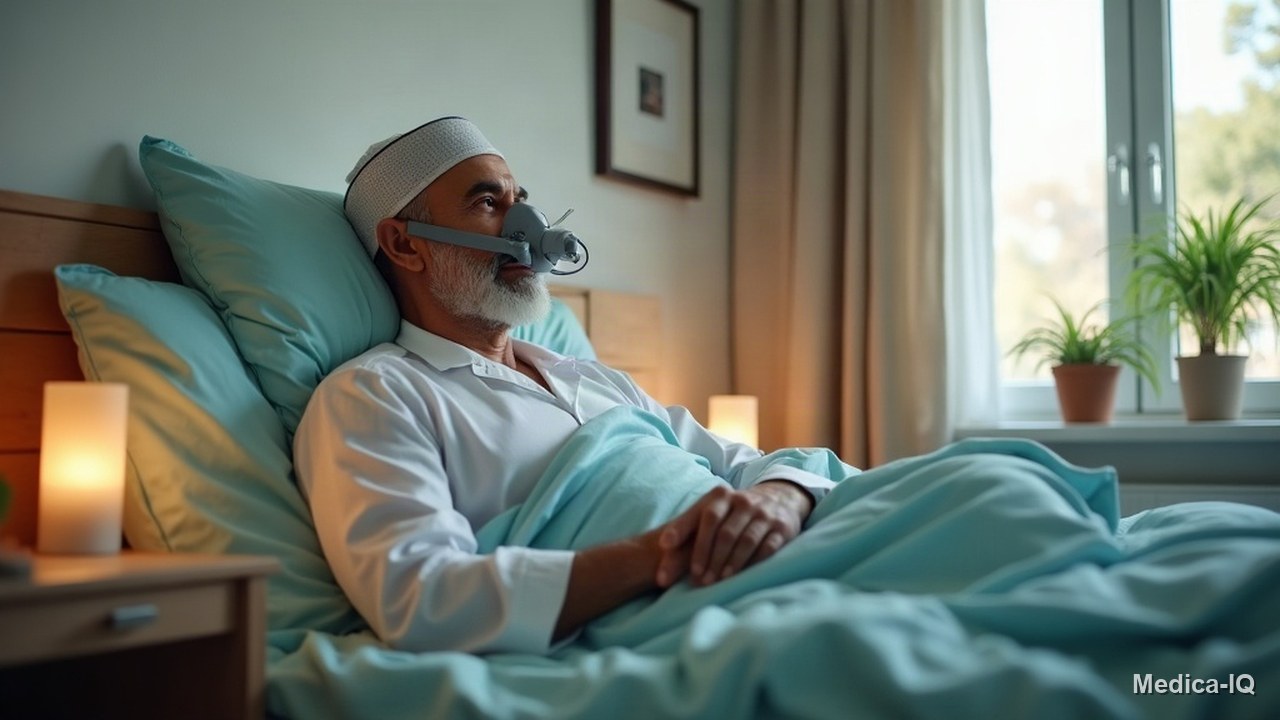
How Obstructive Sleep Apnea Affects the Brain
Obstructive sleep apnea (OSA) affects over one billion people globally. This condition causes frequent breathing interruptions during sleep, which often leads to brief awakenings. These disruptions can result in impaired thinking and memory.
Researchers in Australia discovered that the symptoms of OSA may stem from more than just these awakenings. In individuals who have not received treatment, brain waves in the parietal region—an area linked to memory formation—appear irregular.
Findings from a New Study Shows CPAP Therapy Can Aid Memory
A small pilot study monitored 11 participants with OSA to see how a continuous positive airway pressure (CPAP) device influenced their cognitive functions. The process involved:
- Initial memory and thinking tests.
- Monitoring brain waves and breathing during a night in a sleep lab.
- Three months of nightly CPAP use at home.
- Follow-up tests and a second sleep study.
The results indicated that using a CPAP machine led to more time spent in REM and deep sleep, while reducing the time spent in lighter sleep stages. These deeper stages of sleep are essential for overall rest and memory.
The researchers observed fewer irregularities in the parietal region of the brain after therapy. This change in brain wave activity was specifically linked to better performance in procedural memory tests, such as recalling a sequence of finger taps.
Limitations of the Research
Because this was a small pilot study, the results are not definitive. The researchers did not find improvements in other types of thinking or memory tests. Further investigation is required to fully understand how this therapy affects the complex ways memories form during sleep.
FAQ
Does CPAP help with memory loss?
One study suggests that CPAP use can improve procedural memory and normalize brain wave activity in the parietal region for those with obstructive sleep apnea.
How does CPAP change sleep patterns?
The therapy is associated with an increase in deep sleep and REM sleep, while decreasing the amount of time a person spends in light sleep.
What is procedural memory?
Procedural memory involves remembering how to perform specific actions, such as a sequence of finger taps.
When to See a Doctor
Consult a healthcare provider if you experience the following warning signs of sleep apnea:
- Frequent disruptions in breathing during sleep.
- Significant impairment in memory or thinking.
- Excessive daytime sleepiness.
Disclaimer: This content is for informational purposes only and is not a substitute for professional medical advice, diagnosis, or treatment.
Related articles
- How to Sleep for Better Lower Back Pain Relief
- What Causes Snoring During Pregnancy and Postpartum?
- Common Causes of Feeling Hot While Sleeping
- Best Foods That Help You Sleep for Better Rest
- More about Sleep & Sleep Disorders
Illustration: AI-generated
approved by: Medica Health team