Learn the risks of using purified water and the best practices for traveling cpap machine distilled water to maintain your device.
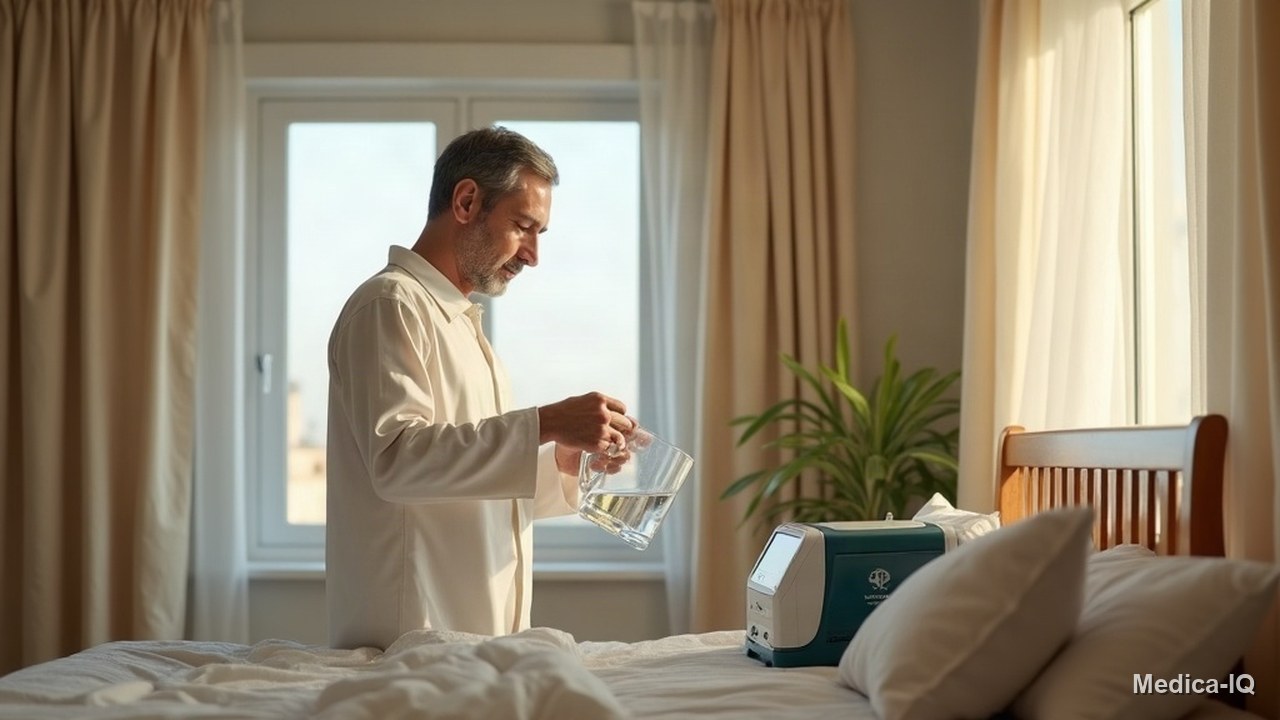
Why Distilled is Better Than Using Purified Water
While you can use purified water, it is not the ideal choice for a CPAP machine. Purified water is filtered to remove chemicals, but it often still contains minerals. Some brands use reverse osmosis to remove microbes and impurities, but then add minerals back in for taste, which can be harmful to your equipment.
Distilled water is the safest option because it is produced by boiling water and condensing the vapor, leaving it free of bacteria and minerals. Using other types of water can lead to:
- Limescale and mineral buildup in the humidifier.
- Scaling that may cause machine components to break down.
- Increased risk of infections.
- Airway irritation.
Other Water Types and Their Risks
Avoid using tap, spring, or mineral water in your device. Tap water may contain fluoride, chlorine, or minerals from municipal supplies or wells that damage the machine. Boiling tap water kills bacteria but does not remove the minerals. Spring and mineral waters are naturally rich in calcium and magnesium, which leave residues that can wear out the humidifier faster.
Tips for Traveling CPAP Machine Distilled Water
Accessing the right water can be difficult during trips. If you are flying, consider buying water at your destination to avoid carry-on liquid restrictions. If you must bring some, the TSA allows 3.4 ounces of distilled water for medical devices, provided it is declared at security. Alternatively, you can pack larger quantities in checked luggage.
If you find yourself traveling with cpap no distilled water available, you have a few options:
- Turn off the humidifier setting.
- Remove the water chamber entirely.
- Use a heat and moisture exchanger (HME) to capture moisture from your own breath.
Maintaining Your Humidifier Chamber
To prevent odors and bacterial growth, clean the water tank at least once a week.
- Unplug the machine and empty the tank.
- Wash the chamber with warm water and mild, fragrance-free dish soap.
- Use a soft brush or your hands to scrub corners where residue collects.
- Rinse thoroughly and let the tank air dry completely before use.
Do not use bleach, alcohol, abrasive cleaners, or harsh chemicals. If minerals build up, some manufacturers suggest soaking the tank in a mixture of white vinegar and water, followed by a full rinse. Always refer to your specific user manual to avoid voiding the warranty.
FAQ
Why do I need distilled water for my CPAP?
Distilled water lacks the minerals and impurities found in tap or purified water, which prevents limescale buildup and lowers the risk of infection.
Can I use CPAP without water?
Yes, but the air will be dry. This may lead to nasal congestion, throat irritation, dry mouth, and a higher risk of upper respiratory infections.
Where can I get distilled water for my CPAP machine?
It is commonly available at drug stores, grocery stores, and mini-markets. You can also purchase it from CPAP suppliers or online retailers.
What can I use in place of distilled water for my CPAP machine?
If distilled water is unavailable, you can temporarily turn off the humidifier or use a heat and moisture exchanger (HME).
When to See a Doctor
Contact your healthcare provider if you experience the following while using your machine:
- Increased nasal or throat irritation.
- Signs of a respiratory infection.
- Severe dryness that does not improve with humidifier adjustments.
Disclaimer: This content is for informational purposes only and does not constitute medical advice. Always follow the instructions provided by your healthcare provider and the device manufacturer.
Related articles
- Signs and Indicators That You Get Quality Sleep
- partner snores can’t sleep
- Understanding Insomnia Symptoms: Signs and Complications
- Do Teething Babies Sleep More? Symptoms and Sleep Tips
- More about Sleep & Sleep Disorders
Illustration: AI-generated
approved by: Medica Health team