Following these eight asthma self-care tips can help reduce the risk of attacks and alleviate symptoms, allowing those affected to live a stable and normal life.
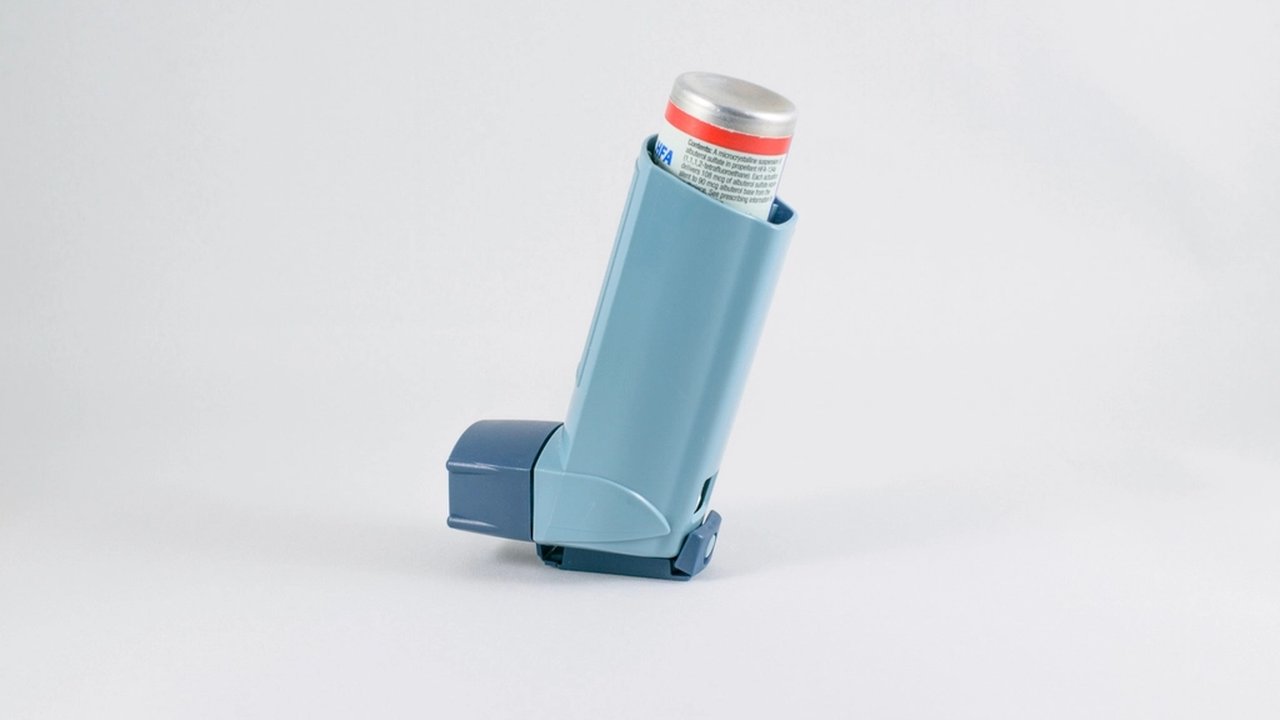
General Guidelines for Asthma Self-Care Tips
Since asthma is a chronic condition that cannot be fully cured, adhering to daily preventive treatments is essential, even when you feel healthy. Here are the most important steps for self-care:
- Avoid Triggers: Triggers vary from person to person; they may include pet dander, pollen, or strong scents like perfumes. Some women may also notice an increase in symptoms following their menstrual cycle.
- Quit Smoking: Stopping tobacco use is the most critical step in helping a patient, as smoking and secondhand smoke irritate the lungs, reduce the effectiveness of inhaled medications, and increase the risk of bronchitis or COPD.
- Physical Activity: Swimming, walking, or cycling are beneficial for general health. A reliever inhaler can be used 20 minutes before exercise to reduce symptoms; however, consult a doctor if exertion causes shortness of breath.
- Managing Cold Weather: Cold air can cause wheezing and shortness of breath. It is recommended to cover the nose and mouth with a scarf when going out in winter and to keep rescue inhalers in a warm place.
- Medical Immunization: An annual flu vaccine in October and a one-time pneumonia vaccine are recommended, especially for those using steroids.
- Medication Review: Be cautious when using aspirin or pain relievers. If an adverse reaction occurs, stop immediately and consult a physician.
- Regular Follow-ups: It is necessary to visit a doctor at least once a year to establish a clear treatment plan that includes dosages and how to act when the condition changes.
- Healthy Weight: Obesity negatively impacts respiratory function, so maintaining an ideal weight helps improve disease control.
Healthy Nutrition and Asthma
A balanced diet contributes to enhancing lung health and preventing complications:
Recommended Foods:
- Fruits rich in Vitamin C, such as oranges and kiwi, and apples, which help open the airways.
- Carrots and sweet potatoes for their beta-carotene content.
- Garlic for its anti-inflammatory properties, and flaxseeds and oily fish for their omega-3 content.
- Avocado and milk (for those without a milk allergy).
- Coffee and black tea, as caffeine acts as a temporary bronchodilator.
Foods to Be Cautious Of:
- Salt, as it may increase bronchial inflammation due to fluid retention.
- Eggs, peanuts, and shellfish, but only if the patient has a known allergy to these foods.
Asthma and Fasting
Fasting does not negatively affect a person with asthma and may even be beneficial for weight loss. However, the following should be observed:
- Do not stop using preventive or rescue inhalers, as abstaining from them increases the risk of life-threatening attacks.
- Drink sufficient fluids during the Iftar period to avoid dehydration of the airways.
- Coordinate dosage timings with a doctor if the patient wishes to adjust them to fit fasting hours.
Frequently Asked Questions
Can people with asthma exercise?
Yes, exercise is very beneficial. Activities such as swimming and walking can be practiced, using appropriate treatment to prevent attacks during activity.
Does fasting affect asthma?
Fasting itself is not harmful and may help reduce weight, but the danger lies in neglecting the use of inhalers or a lack of fluids during the fast.
What are the best foods to reduce asthma attacks?
It is recommended to eat apples, citrus fruits, garlic, and foods rich in omega-3, such as salmon and flaxseeds.
When to See a Doctor Immediately?
Seek urgent medical help if the following signs appear:
- A sudden worsening of asthma symptoms.
- Severe difficulty breathing that does not respond to a rescue inhaler.
- A severe allergic reaction after taking pain relievers or certain foods.
Disclaimer: This content is for informational purposes only and is not a substitute for professional medical advice.
Related articles
- Pollen Exposure During Pregnancy Child Risk of Asthma
- Asthma and the Risks of the Coronavirus Pandemic
- Understanding Antibiotics and Asthma Risk in Children
- Do Asthma Inhalers Stunt Growth in Children?
- More about Asthma
Photo: CC0 1.0, via rawpixel.com
approved by: Medica Health team