Baby skin peeling is a common phenomenon that often appears in the first few weeks after birth and is, in most cases, a natural process that does not require concern.
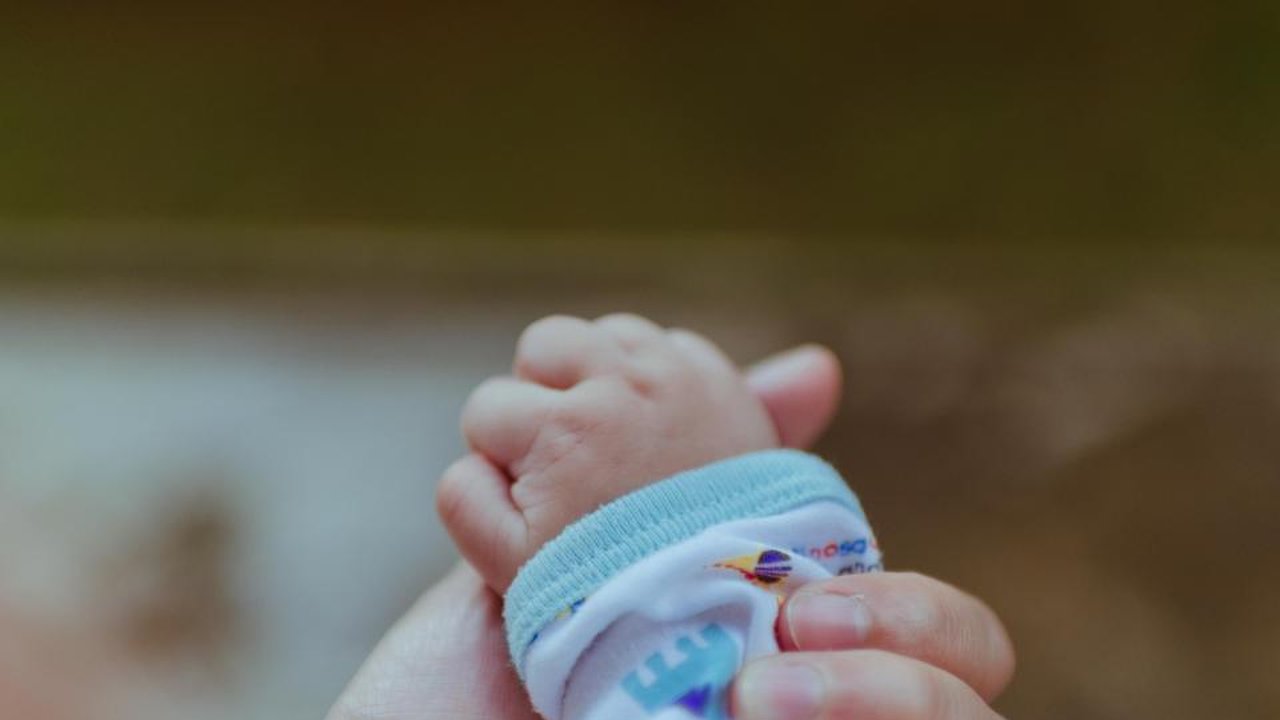
Natural Causes of Baby Skin Peeling
This condition usually occurs due to physiological factors related to the birth process, most notably:
- Vernix Caseosa: This is a thick layer that protects the fetus’s skin from amniotic fluid, forming around the twentieth week of pregnancy. After this layer is removed, the skin begins to peel within a period ranging from one to three weeks.
- Timing of Birth: The degree of peeling varies by gestational age; premature babies experience less peeling compared to those born in the fortieth week or later, due to the higher amount of vernix and less exposure to amniotic fluid.
Medical Conditions Leading to Skin Peeling
Sometimes, skin peeling may be due to health issues that require special care, such as:
- Eczema: This causes dry red patches that cause itching, sometimes resulting from irritants like soap or certain foods containing wheat or soy.
- Ichthyosis: A genetic condition that leads to itching and skin peeling, diagnosed through physical examination, family history, or blood and skin samples.
- Infant Cradle Cap: This appears on the scalp due to factors such as fungi or sebaceous gland activity and usually disappears on its own within two months.
Tips for Caring and Preventing Baby Skin Peeling
While there is no way to stop the process entirely, you can manage dryness and cracking by focusing on preventing baby skin peeling complications through the following:
- Healthy Bathing: Use lukewarm water instead of hot, and limit bath time to 5–10 minutes to preserve natural oils, using a gentle, fragrance-free soap.
- Consistent Moisturizing: Apply hypoallergenic moisturizing creams 2 to 3 times daily, preferably immediately after bathing.
- Environment and Clothing: Use a humidifier in the room, choose loose and soft clothing made from natural materials, and protect the child from wind and cold air.
- Internal Hydration: Ensure the body remains hydrated through breastfeeding or formula. Giving water to infants under 6 months should only be done after consulting a doctor.
- Additional Solutions: Colloidal oatmeal can be used to reduce inflammation and skin peeling and itching.
FAQ
Is baby skin peeling normal?
Yes, in most cases, it is a natural occurrence that can appear on any part of the body, including the hands, feet, and ankles, and disappears on its own.
What causes baby skin peeling?
The cause is often the removal of the vernix caseosa layer that protected the skin inside the womb, or it may be due to conditions such as eczema or ichthyosis.
Can you prevent baby skin peeling?
It is not possible to prevent it from happening, but you can reduce skin dryness and cracking by keeping the skin consistently moisturized.
When to See a Doctor?
Seek medical advice immediately if a fever develops, or in the following cases:
- If the skin peeling does not improve within a few weeks.
- If the skin condition worsens or the peeling increases.
- If accompanying signs appear, such as swelling, cracking, redness, or severe itching.
Disclaimer: This content is for informational purposes only and is not a substitute for professional medical advice.
Related articles
- Health Baby Guide: Care from Pregnancy to Infancy
- How to Treat and Prevent an Ingrown Hair
- Growth Spurts and Growing Pains: Causes and Relief
- Healthy Eating for Teens: Essential Guidelines
- More about Babies & Newborns
Photo: Bady Qb, CC0 1.0, via stocksnap.io
approved by: Medica Health team