Learn effective ways to relieve stress before sleep using relaxation techniques, better sleep hygiene, and habits that calm the mind.
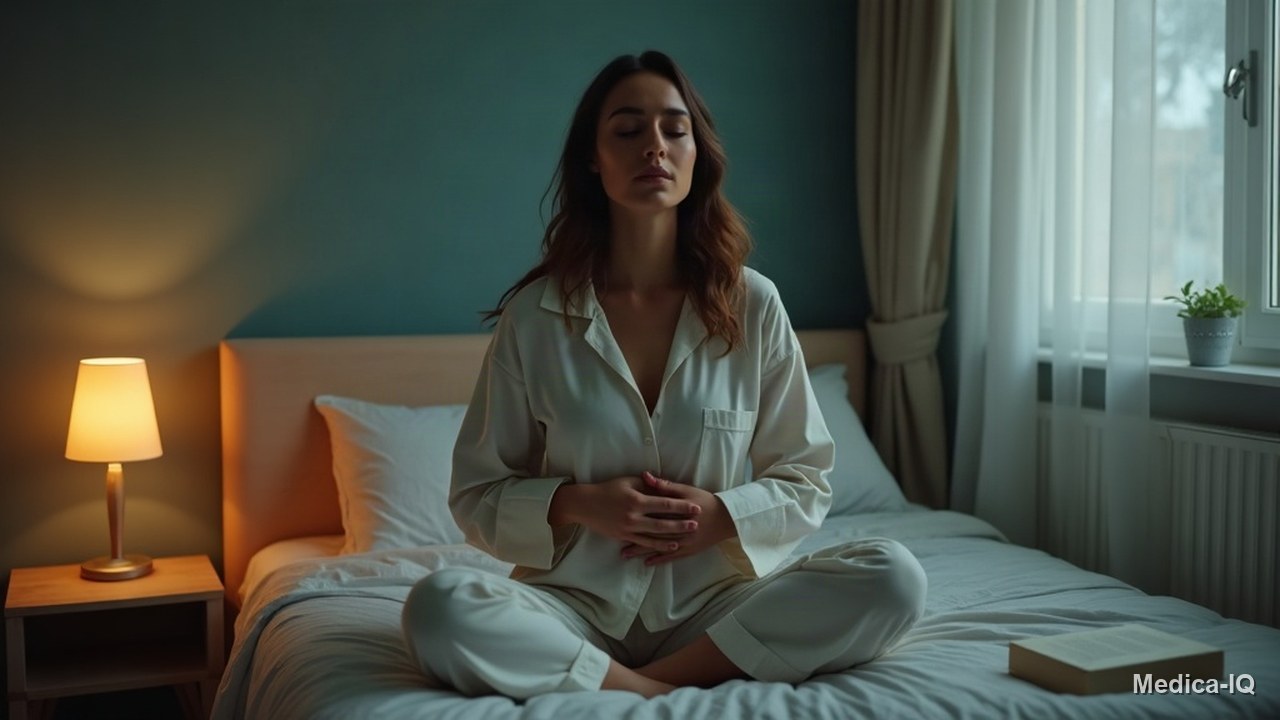
Relaxation Techniques to Relieve Stress
When the body enters a “fight or flight” state, heart rate and breathing increase. Using specific methods can help lower blood pressure and create a sense of calm.
- Mindfulness and Guided Meditation: Mindfulness involves observing thoughts and emotions without judgment to stay present. Guided meditation uses verbal cues, music, or nature sounds to help you visualize a peaceful place.
- Deep Breathing: This involves taking slow, deep breaths. One simple method is placing a hand on the stomach, inhaling until it rises, holding for a moment, and exhaling slowly.
- Progressive Relaxation: This technique requires contracting and then releasing muscles in sequence, starting from the toes and moving up the body to release physical tension.
- Meditative Movement: Practices like tai chi, qigong, and yoga combine focused breathing with gentle movement. Yoga specifically can help manage sleep problems and emotional well-being.
- Biofeedback: This uses electronic devices to monitor heart rate, muscle activity, and blood pressure. With a therapist’s help, users learn to regulate these bodily functions.
Improving Your Nighttime Routine to Relieve Stress at Night
Beyond specific exercises, your environment and habits influence how you wind down.
- Optimize Your Space: Keep your bedroom dark and quiet to remove potential stressors.
- Manage Electronics: Blue light from phones, computers, and TVs can disrupt your circadian rhythm. Avoiding these devices helps prevent “doomscrolling,” which is linked to anxiety.
- Physical Comfort: A warm bath or shower can help you relax and lower your body temperature, potentially speeding up the time it takes to fall asleep.
- Mindset Tools: Keeping a journal by the bed allows you to write down worries and get them out of your head.
- Dietary Choices: Limit caffeine and alcohol, as both can disturb sleep and affect how your body manages stress.
Understanding Bedtime Procrastination
Some people struggle to sleep because of “revenge bedtime procrastination.” This occurs when individuals intentionally stay up late to reclaim personal time after a day with little control over their schedule.
This behavior is often tied to significant daytime stress or a lack of self-control at the end of the day. Some experts suggest it may also be related to “night owl” chronotypes who struggle with early-bird schedules.
Social media plays a major role in this habit. While some use YouTube for white noise or lullabies, other platforms like Facebook are associated with higher anxiety and shorter sleep durations.
Daytime Habits for Better Sleep
Preventing nighttime tension starts during the day:
- Exercise: Physical activity during the day is linked to better sleep, especially for those with generalized anxiety disorders or insomnia.
- Consistency: Waking up at the same time every day, including weekends, is a key part of good sleep hygiene.
FAQ
What is revenge bedtime procrastination?
It is the act of delaying sleep to enjoy personal leisure time, despite knowing it will lead to negative consequences. It typically involves a lack of a valid reason to stay up, such as an emergency.
How do you stop sleep procrastination?
While specific steps vary, improving sleep hygiene—such as maintaining a consistent schedule and limiting screen use before bed—can help.
Who is most affected by bedtime procrastination?
Research is ongoing, but some studies suggest women, students, and people who generally procrastinate in other areas of life are more likely to experience it.
What are the consequences of bedtime procrastination?
The primary result is sleep deprivation, which prevents the mind and body from recharging and can negatively impact overall health.
When to See a Doctor
Consult a healthcare provider or mental health professional if:
- Stress or anxiety regularly prevents you from sleeping.
- You experience chronic insomnia.
- You need help identifying a specific treatment approach for your sleep disturbances.
Medical Disclaimer: This content is for informational purposes only and is not a substitute for professional medical advice, diagnosis, or treatment.
Related articles
- What is Non-24-Hour Sleep-Wake Disorder (N24SWD)?
- Understanding the Health Risks of Oversleeping
- Top Health Benefits of Sleeping Naked Together
- Understanding Sleep Paralysis: Causes and Treatment
- More about Sleep & Sleep Disorders
Illustration: AI-generated
approved by: Medica Health team