Explore the pros and cons of various body fat measurement techniques, from Body Mass Index to bioelectrical impedance and underwater weighing.
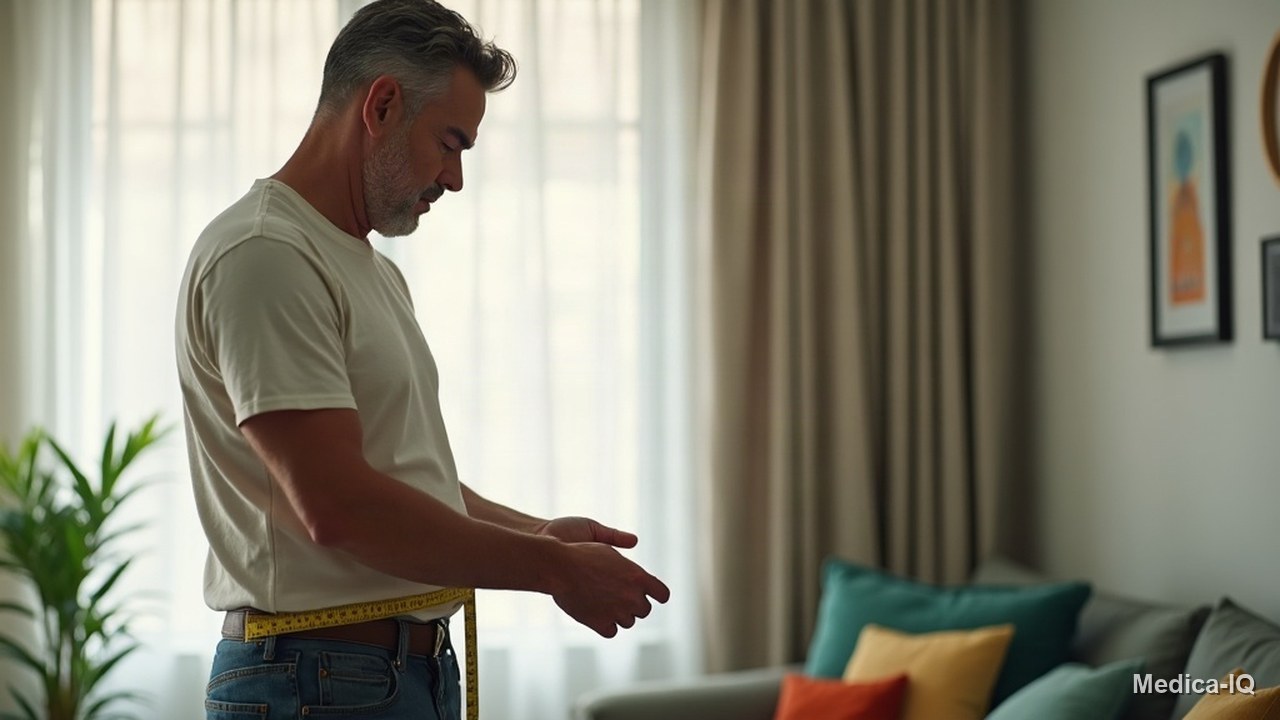
Analysis of the pros and cons of common obesity calculation methods
Scientific means for estimating fat accumulation vary, as a simple scale is insufficient because it measures the total weight of bones, muscles, and organs without accurately determining the amount of fat.
Body Mass Index (BMI)
This value is derived by dividing weight in kilograms by the square of height in meters.
- Advantages: It is inexpensive, easy to calculate, and reasonably correlates with fat amount. It is also a good predictor of health risks such as stroke, heart attack, and hypertension.
- Disadvantages: It does not distinguish between fat, muscle, or bone weight, which may lead to misleading results for athletes. Additionally, it does not determine the location of fat in the body, and its accuracy varies between men and women or different ethnicities.
Waist Circumference
This measure relies on measuring the abdominal area between the lowest rib and the highest hip bone.
- Advantages: It is easy to perform and inexpensive, correlating with metabolically active fat around the organs. The risk of diabetes and fatty liver disease increases if the measurement exceeds 40 inches for men and 35 inches for women.
- Disadvantages: This method lacks standardized criteria for the measurement site, and precise standards for children are absent. It is also less accurate for those with a BMI of 35 or higher.
Waist-to-Hip Ratio
This is calculated by dividing the waist circumference by the hip circumference at the widest point of the buttocks.
- Advantages: It helps identify risks for diabetes and heart disease, especially when the ratio reaches 0.90 for men and 0.85 for women.
- Disadvantages: The error rate is high because it requires two measurements, and interpreting results is complex. It is also less accurate for those with morbid obesity (BMI of 35 or more).
Other obesity calculators and advanced tools
There are more detailed technical tools and an overweight calculator approach to estimate body composition:
- Skinfold Thickness: Using special calipers to measure the thickness of skin and fat in areas such as the thighs and torso.
- Bioelectrical Impedance: Sending a safe electrical current to measure resistance, as fat obstructs the current more than lean mass.
- Underwater Weighing: Estimating body density and volume by weighing in the air and then inside a water tank.
- Medical Imaging: Using CT or X-ray scans to accurately determine the proportions of bone, muscle, and fat.
When researching these tools, one should be aware of the advantages and disadvantages of methods found online; for instance, some may encounter the disadvantages of the internet, such as unreliable data or non-standardized digital tools.
FAQ
What is the points diet?
A dietary system that assigns numerical values (points) to foods and physical activities. A person adheres to a specific number of points daily based on their gender, age, weight, height, and activity level.
Is weighing on a scale enough to determine obesity?
No, because the scale provides a total weight that includes muscles, bones, and fluids, and does not accurately determine the amount of accumulated body fat.
When is waist circumference an indicator of health risk?
When the waist circumference exceeds 40 inches in men or 35 inches in women, as the risk of heart disease and diabetes increases at that point.
When to visit a doctor?
It is recommended to consult a specialist when the following signs appear:
- A significant increase in BMI value coinciding with an increase in waist circumference.
- The desire to follow restrictive diets (such as the points diet or broccoli diet) for those suffering from chronic diseases like diabetes or heart disease.
- Noticing a rapid increase in weight that is not proportional to physical activity or diet.
Medical Disclaimer: This content is for informational purposes only and does not substitute for professional medical advice.
Related articles
- How to Avoid Weight Gain in Winter: Tips and Causes
- Does Undergoing Liposuction Lead to Weight Loss?
- Atkins Diet: Does It Really Work? Facts and Guide
- Understanding Common Diseases Caused by Obesity
- More about Weight Loss & Obesity
Illustration: AI-generated
approved by: Medica Health team