Managing tinnitus can help you fall asleep more easily and improve your overall rest by using sound masking and lifestyle changes.
Understanding Tinnitus and Sleep
Tinnitus is a medical condition where you perceive sounds—such as buzzing or ringing—that do not originate from an outside source. Because silence often makes these noises more prominent at night, it can be difficult to drift off. This creates a challenging cycle, as a lack of sleep can increase anxiety and stress, which may further intensify the sounds.
Strategies to Manage Tinnitus Symptoms at Night
There are several ways to distract the brain from internal noises and create a more restful environment.
Use Sound Masking
Ambient noise can help hide the ringing and make it easier to sleep. Keep the volume low, as very loud sounds can cause tinnitus or make it worse. Options include:
- Using a sound machine or a bedside fan.
- Playing gentle music or calming sounds, such as rain or ocean waves.
- Running a dishwasher or humidifier.
Adjust Your Sleeping Position
If your symptoms are linked to mucus or inflammation causing congestion, try propping up your head with extra pillows or elevating the top of your bed to reduce the pressure.
Improve Sleep Hygiene
A consistent nightly routine signals to your body that it is time to rest. Consider these habits:
- Engaging in relaxation exercises, deep breathing, or meditation to lower stress.
- Reading a physical book and avoiding screens before bed.
- Taking a warm bath.
Modify Your Diet and Habits
Certain substances can interfere with sleep and worsen tinnitus symptoms:
- Caffeine: Avoid coffee, tea, soda, and chocolate for at least eight hours before you plan to sleep.
- Tobacco and Alcohol: Reducing or stopping the use of these substances may help manage the condition.
Professional Tinnitus Treatment Options
If the sounds are persistent, a healthcare provider can perform imaging or tests to find the underlying cause.
Medical Devices and Referrals
Doctors may prescribe tinnitus maskers, which are devices similar to hearing aids that provide a soft, steady noise to cover the ringing. They may also prescribe medications to treat related issues like depression or insomnia.
Specialized Therapies
A specialist may offer behavioral tools to change how you perceive the noise:
- Cognitive Behavioral Therapy (CBT): Counseling to adjust your emotional and behavioral reactions.
- Tinnitus Retraining Therapy (TRT): A mix of counseling and sound therapy designed to help the brain ignore the sound.
- Biofeedback: Learning to regulate physical responses, such as heart rate and breathing.
FAQ
Does tinnitus go away?
It can disappear on its own if it was caused by a temporary issue, such as an ear infection, earwax, or a specific medication. If it lasts longer than three months, it is chronic. While there is no cure for chronic cases, various therapies can manage the symptoms.
Do hearing aids help tinnitus?
Yes, they can. Hearing aids amplify external sounds, which helps the brain focus on real noises rather than internal ringing. They are especially useful since many people with this condition also have hearing loss.
Can stress cause tinnitus?
There is no definitive proof that stress alone causes the condition, but the two are closely linked. Stress often makes the symptoms feel worse, which in turn creates more stress.
Can acupuncture help tinnitus?
The evidence is mixed. Some research suggests short-term relief or benefits for specific patients, but it is generally viewed as a complementary option rather than a primary treatment.
Does sleeping with earplugs help tinnitus?
No. Earplugs block outside noise, but they do not stop internal “phantom” sounds. In fact, by removing external noise, earplugs may make the ringing seem louder.
Can tinnitus cause sleep apnea?
There is no conclusive evidence that it causes obstructive sleep apnea, though the two conditions appear together more often. It is unclear if one causes the other or if they share risk factors like diabetes or smoking.
When to See a Doctor
Consult a healthcare provider if you experience:
- New or persistent ringing in the ears.
- Sounds that are bothersome enough to disrupt your daily life.
- Symptoms that interfere with your ability to get a full night of sleep.
Disclaimer: This information is for educational purposes and is not a substitute for professional medical advice, diagnosis, or treatment.
Related articles
- Long Sleepers: Diagnosis, Treatments, and Practical Tips
- Effective Relaxation Exercises Before Bed for Better Sleep
- Sleep Apnea in Babies: Causes, Signs, and Treatments
- Effects of Lack of Sleep on the Body and Health Risks
- More about Sleep & Sleep Disorders
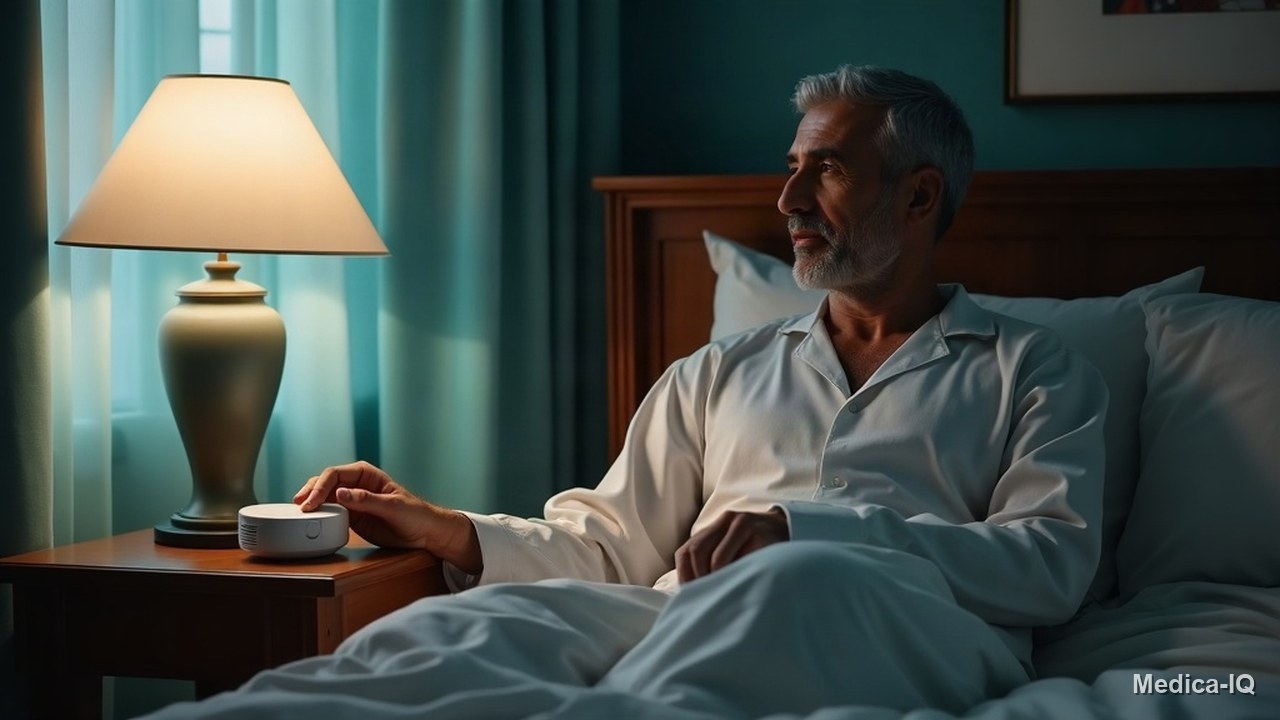
Illustration: AI-generated
approved by: Medica Health team