Shiatsu therapy helps relieve lower back pain by applying pressure to vital points to improve blood flow and energy, promoting relaxation and a better quality of life.
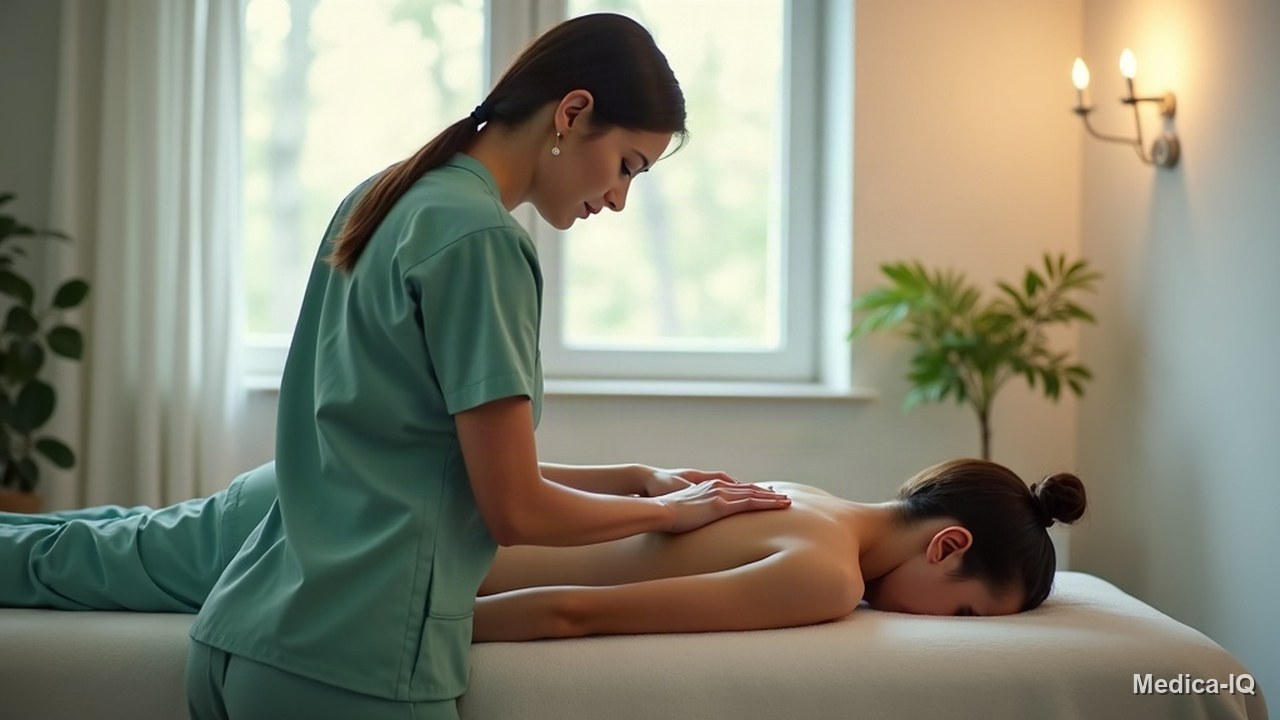
What is Shiatsu Therapy and How Does It Work?
It is an ancient Japanese method based on the principles of Chinese medicine. It involves applying pressure using the fingers, thumbs, elbows, or knees to specific areas of the body called vital points. This procedure aims to release energy blockages known as “Qi” and restore the body’s balance.
This type of treatment differs from a standard massage in that it targets specific medical points without the use of oils, whereas traditional massage focuses on soothing the body in broader areas.
Vital Points for Lower Back Pain Relief with Shiatsu Therapy
Back and hip pain can be alleviated by applying pressure to points in various parts of the body:
- Lower Back: There are four parallel points at the waist level called the “Sea of Vitality.” Pressing them for one minute helps relieve back pain and sciatica.
- Abdominal Area: Pressing with the three middle fingers directly below the navel for one minute (repeated 2-3 times) strengthens the muscles of the lower body.
- Palm of the Hand: Pressing the area between the thumb and index finger on the back of the hand for 5-10 seconds stimulates the release of endorphins and happiness hormones.
- Hip Area: There are four points on the buttocks between the top of the hip and the base of the glutes; pressing them toward the pelvis for 5 minutes relieves pelvic pressure.
- Knees: There are two points at the back of each knee at the edges of the crease; pressing them for half a minute helps protect joints from inflammation.
- Foot: A core point is located where the big toe bone meets the adjacent toe; press it gently for half a minute.
- Elbow: In the middle of each elbow crease, there is a point that helps relieve chronic pain when pressed for 30 seconds toward the outside of the forearm.
Additional Health Benefits of Shiatsu Therapy
Beyond treating the back, this massage offers various benefits, including:
- Digestive System and Circulation: It improves blood flow and aids in digesting food and eliminating waste and toxins.
- Mental Health: It reduces anxiety, stress, and depression, and improves sleep quality.
- Skin: It stimulates sebaceous glands, improves skin elasticity, and prevents wrinkles.
- Headaches and Inflammation: It helps treat migraines and alleviate symptoms of rheumatoid arthritis.
- Pregnancy Support: It may relieve morning sickness and first-trimester swelling, and is sometimes used to stimulate labor in the ninth month.
Frequently Asked Questions About Shiatsu Therapy
What is shiatsu therapy?
It is based on stimulating areas of neural activity or muscle hypertonicity, and applying pressure to energy blockage points to restore flow throughout the body.
How is the diagnosis performed in this treatment?
The therapist uses several diagnostic methods, including examining the abdomen (for the present), the back (for the past), the tongue (for patterns), and the face (for internal organs).
What happens during a treatment session?
The session begins with questions about medical history and lifestyle, then the therapist touches the abdominal area to assess energy levels. The session lasts from 40 minutes to an hour and a half, and loose clothing is worn.
Who can receive this treatment?
People of all ages and fitness levels can receive it, whether they are in good health or suffering from health weaknesses.
When Should You Consult a Doctor or Avoid Treatment?
You should refrain from this massage and consult a doctor immediately in the following cases:
- Bone fractures, wounds, burns, or skin rashes.
- Fever, varicose veins, or infectious diseases such as influenza and chickenpox.
- Spinal issues such as herniated discs or ankylosing spondylitis.
- Blood cancers (leukemia) or areas of acute inflammation.
- Following recent surgical operations.
- In cases of weak stomach muscles or intestinal diseases (especially for the elderly and pregnant women).
Disclaimer: This content is for informational purposes only and is not a substitute for professional medical advice.
Related articles
- Effective Herbal Remedies for Shoulder Pain
- Choosing an Alternative Medicine Practitioner: A Guide
- Effective Honey Recipes for Health and Beauty
- Can You Use Oils to Strengthen the Penis?
- More about Complementary Therapies
Illustration: AI-generated
approved by: Medica Health team