Discover how pink noise for sleep works to mask disruptions and potentially improve deep sleep and memory for adults of all ages.
What is pink noise for sleep?
Pink noise is a sound containing all audible frequencies, but with a stronger emphasis on lower frequencies. Specifically, the volume of individual pitches drops by 3 decibels with every higher octave. This creates a balanced, softer sound that many people find more relaxing than the high-pitched hum of white noise.
Common examples of pink noise for sleep include nature sounds, such as:
- Steady rain or waterfalls
- Wind and rustling leaves
- Ocean waves or flowing rivers
- Some urban sounds, like distant traffic
How pink noise impacts sleep quality
Using this type of sound can help mask jarring environmental noises that might otherwise wake you up. Some research suggests several specific benefits:
- Falling asleep faster: One study indicated that steady sound at 60 decibels—similar to a refrigerator’s hum—helped people drift off more quickly. Another study used audio that decreased in volume as the person fell asleep, which helped participants reach deep sleep sooner.
- Improving deep sleep: Deep sleep is the most restorative stage and is vital for immune function. Some studies found that quiet bursts of sound at specific times or synchronizing the noise with brain waves could stabilize sleep and increase deep sleep.
- Brain health and memory: For older adults, who may lose up to 70% of their deep sleep compared to younger people, pink noise may increase slow-wave brain activity. This activity is essential for forming memories and maintaining overall brain function.
- Pain and stress reduction: Increasing sleep spindle density—short bursts of brain activity that block external stimuli—may help reduce chronic pain. Additionally, some find these sounds less stressful than clinical environments.
Comparing different colors of noise
While white noise contains all frequencies at equal volumes, other “colors” vary by frequency concentration:
- Pink Noise vs Brown Noise: Brown noise (or red noise) is deeper than pink, decreasing by 6 decibels per octave. It sounds like a heavy waterfall or rumbling thunder. While pink is often used for focus or relaxation, brown noise may be more grounding for those with anxiety.
- Green Noise: This variant amplifies mid-range frequencies, mimicking a stream or the ocean. It removes the harsh high tones of white noise, though research on its specific benefits is limited.
- Other Colors: Blue and violet noise are higher-pitched and sometimes used for tinnitus. Gray noise is balanced at high and low frequencies but lower in the middle.
How to use a noise app or machine
If you want to try these sounds, you can use a noise app, a dedicated sound machine, or online recordings. To get the best results:
- Set a timer: It is often recommended to use a timer for 60 minutes or less. Leaving the sound on all night may potentially reduce REM sleep.
- Manage volume: Keep the volume at a safe level. While 60 decibels is often cited as suitable, this depends on your personal sensitivity and environment.
- Choose continuous loops: Look for soundtracks that are looped seamlessly to avoid sudden changes in sound that could wake you.
When to see a doctor
Consult a healthcare provider if you experience chronic insomnia or if your sleep issues are accompanied by:
- Persistent daytime sleepiness or irritability.
- Signs of cardiovascular stress, such as high blood pressure.
- Severe sleep fragmentation that affects your mental health.
FAQ
What does pink noise sound like?
It sounds like a balanced, low-pitch background noise. Common examples include the sound of steady rain, wind, or calm ocean waves.
How can green noise benefit you?
While limited data exists, some believe green noise is more calming than white noise because it removes harsh high frequencies. It is often used to mask noisy environments.
Is pink noise better than brown noise?
Neither is objectively better; it depends on personal preference. Pink noise is softer and nature-like, while brown noise is deeper and more rumbling.
How do you use pink noise for sleep?
You can play it through a speaker or headphones using a sound machine or app. Using a timer to turn the sound off after you fall asleep is generally recommended.
Medical Disclaimer: This content is for informational purposes only and does not constitute medical advice. Always seek the advice of your physician regarding a medical condition.
Related articles
- Why You Feel Tired When Waking from Sleep
- Insomnia During Pregnancy Medication and Treatment Options
- The Ferber Method Sleep Training: A Complete Guide
- How to Use a Sleep Diary to Improve Your Rest
- More about Sleep & Sleep Disorders
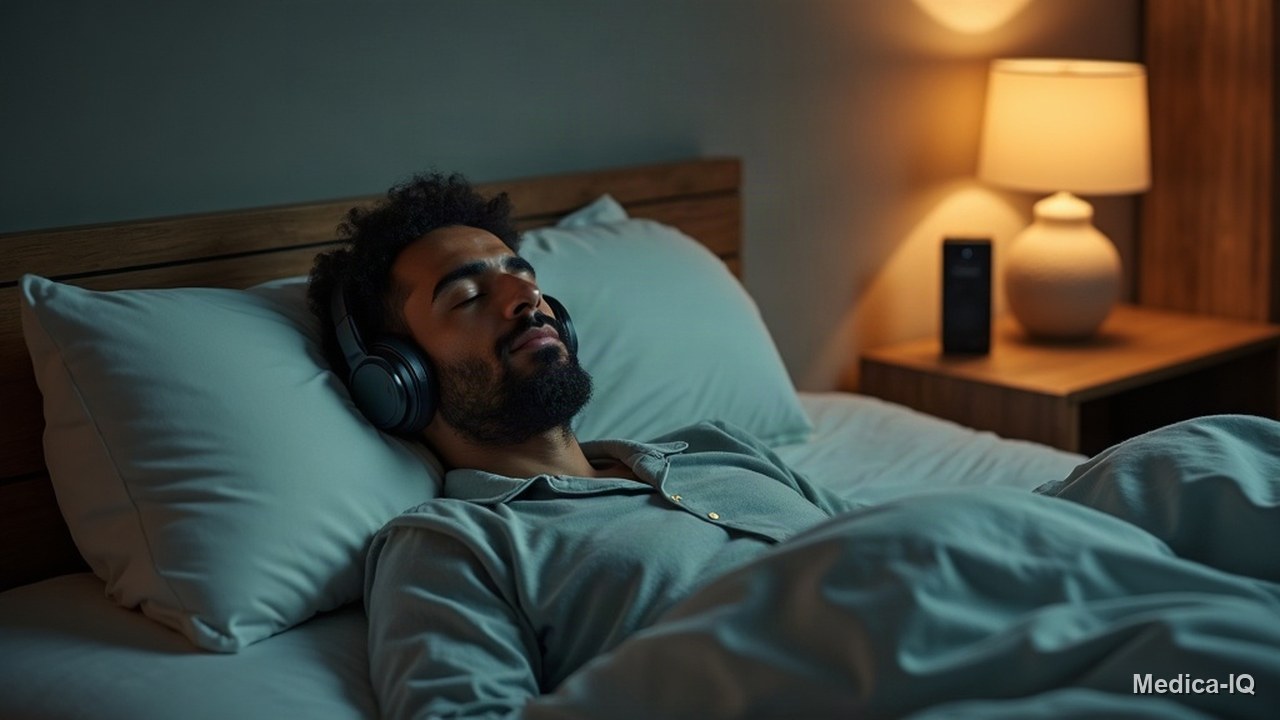
Illustration: AI-generated
approved by: Medica Health team