This article provides a comprehensive home quarantine guide to help limit the spread of infection, detailing the preventive measures and health steps necessary to protect individuals and families.
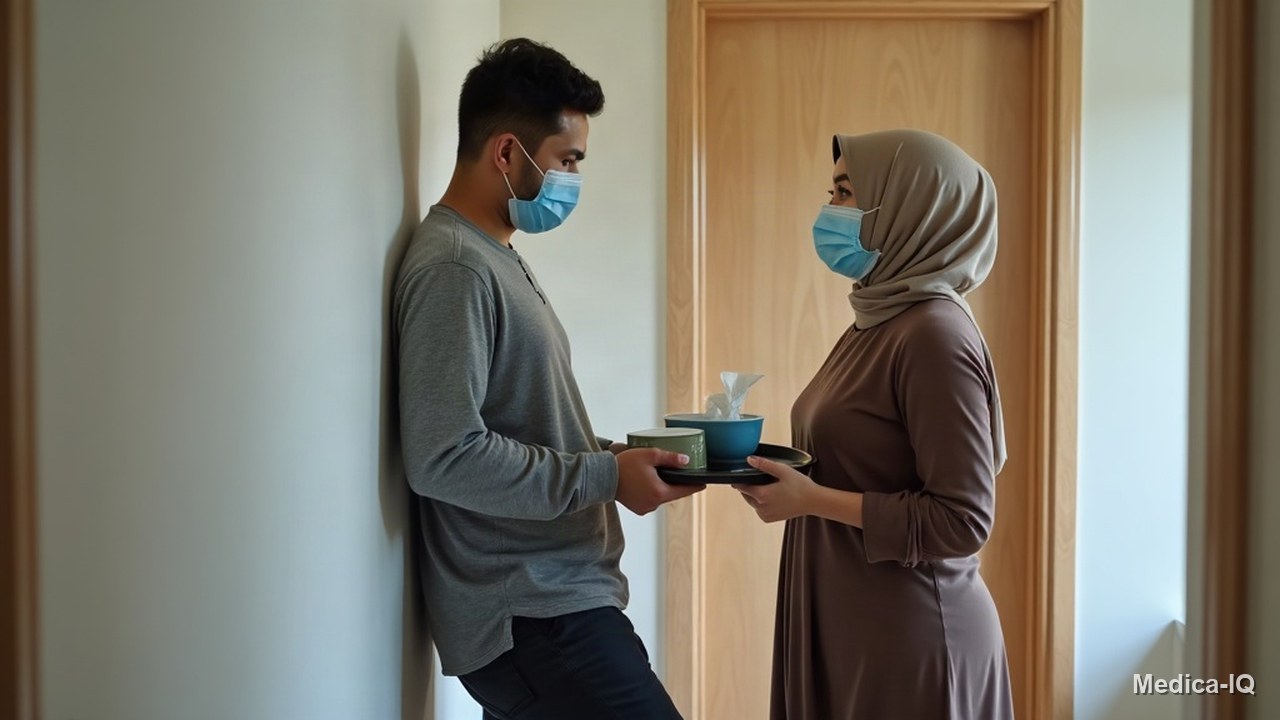
What are the basic home quarantine rules?
Various procedures are followed when isolating at home to ensure the virus is not transmitted to others. The most prominent home quarantine rules include:
- Physical Isolation: Assigning a separate room for the isolated person, with the necessity of a private bathroom or disinfecting the shared one after every use.
- Personal Protection: Wearing a mask at all times inside the house and washing hands with soap and water for at least 20 seconds.
- Family Interaction: Avoiding physical contact with family members and delivering meals to the room door if symptoms appear.
- Hygiene and Sterilization: Constantly cleaning surfaces, including door handles, light switches, and remote controls, as well as disinfecting mobile phones.
- Ventilation and Environment: Ensuring the home is ventilated via windows and kept warm to avoid low temperatures.
- Social Restrictions: Strictly avoiding receiving visitors or guests during the isolation period.
Isolation Duration and Testing Procedures
The specific timeframes for isolation vary based on health status and vaccination, with sources showing differences in these recommendations:
- Unvaccinated individuals: In some guidelines, the period ranges from 10 to 12 days, with a PCR test conducted on the eighth or eleventh day.
- Vaccinated individuals: The period ranges from 5 to 7 days, with the test conducted on the fourth or sixth day.
- Other cases: The isolation period may extend from 14 to 24 days for those arriving from infected areas or those who have been exposed.
Caring for High-Risk Groups
A comprehensive home quarantine guide requires special care for the elderly due to the increased likelihood of severe complications that may require intensive care:
- Securing Needs: Providing prescribed medications for at least one month and stocking canned foods, grains, and health supplies for several weeks.
- Health Monitoring: Encouraging them to postpone unnecessary doctor visits and replace them with electronic communication with their physicians.
- Psychological Support: Teaching them to use video communication apps to combat isolation and depression, and encouraging them to read or organize old photos.
Impact of Isolation on Children and Adolescents
Isolation can lead to psychological effects such as anxiety, boredom, and sleep disturbances due to the loss of social interaction. Responses vary by age:
- Young children: They show greater resilience because they are constantly with their parents.
- Adolescents: Their response may be more negative due to their need for peer interaction to develop their personalities.
- Family Tips: It is recommended to establish an organized daily schedule, maintain consistent sleep and wake times, and practice hobbies such as drawing.
When to Consult a Doctor?
Medical help should be sought immediately if the following warning signs appear:
- Difficulty or problems breathing.
- Chest pain.
- A significant increase in temperature.
- Severe cough, dizziness, or extreme fatigue.
FAQ
How can I maintain my mental health during isolation?
By exercising, reading, practicing hobbies, and staying in touch with relatives and friends through social media.
What is the correct way to disinfect surfaces at home?
Surfaces can be sterilized by mixing 50 ml of chlorine with 1 liter of water.
How should external purchases be handled?
It is recommended to disinfect all purchases before bringing them into the home, or to have them placed at the outer door upon delivery.
Disclaimer: This content is for informational purposes only and is not a substitute for consulting a specialist physician or authorized health authorities.
Related articles
- Protecting Healthcare Workers from Coronavirus 2024
- Pinworm Infection: Symptoms, Causes, and Treatment
- Is It Safe to Eat and Drink Inside the Plane?
- Understanding Viruses and the Influenza Virus
- More about Infectious Diseases
Illustration: AI-generated
approved by: Medica Health team