We examine the fact or fiction surrounding several common health topics, ranging from vitamin D supplements to the effects of red meat and hibiscus.
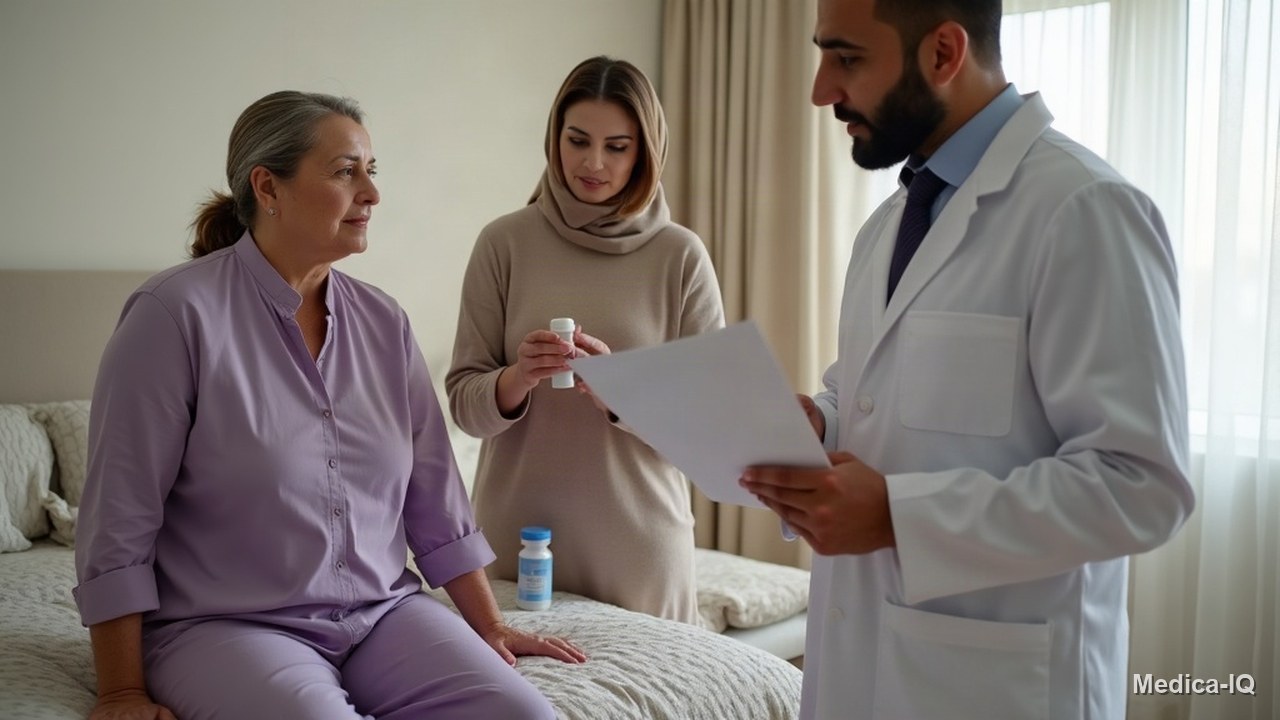
Vitamin D Myths and Facts and Desired Benefits
Claims circulate that this compound protects against depression, clots, heart disease, and certain types of cancer, in addition to its role in strengthening immunity and preventing Alzheimer’s and Parkinson’s. However, scientific evidence varies; while one study suggests there is no convincing evidence for these benefits, another mentions that a deficiency may be a risk factor for these diseases, though taking tablets has not been proven to extend life.
The confirmed benefit is its direct effect on bone health from childhood through old age, especially for women during menopause.
Is it a Vitamin or a Hormone?
Some classify this compound as a “hormone” rather than a vitamin because the body produces it in the skin and does not rely entirely on food, unlike vitamin A or C, which are obtained from external sources.
Normal Ratios and Required Levels
Some references state that the ratio should exceed 30 ng/ml, while others prefer it not be less than 20 ng/ml, as levels below 30 have not been proven to cause health damage. However, maintaining a ratio higher than 30 ng/ml is recommended in specific cases:
- Bone fractures.
- Osteoporosis.
- Postmenopausal women.
Fact or Fiction in Red Meat Consumption
Red meat sparks wide debate regarding its relationship with health; here are the details:
- Heart Disease and Cancer: These meats contain saturated fats that raise LDL cholesterol, increasing the risk of heart disease. Regarding cancer, some studies link them to colon and breast cancer, while other studies contradict this hypothesis.
- Causes of Risk: This may be due to saturated fats or a type of iron called “heme” iron, which may damage cells.
- Nutritional Benefits: It provides protein for muscle strengthening, zinc for immune activation, and vitamin B12 for nerve cells, as well as iron, which may be beneficial in cases of female infertility.
- Consumption and Cooking Tips: Nutrition experts recommend an amount not exceeding 18 grams of cooked meat per week, while avoiding processed meats like sausages.
To reduce carcinogens during grilling, it is advised to:
- Choose lean cuts.
- Use medium, indirect heat and avoid smoke.
- Avoid cooking meat to “well done.”
- Cook steaks between 60-70 degrees and burgers at 70 degrees to ensure bacteria are killed.
- Remove charred parts before eating.
Uses of Hibiscus for Skin and Hair
Hibiscus is nicknamed the “botox plant” for its ability to give the skin elasticity and fight wrinkles by stimulating collagen and inhibiting enzymes that break down skin proteins. It also helps unify skin tone and remove pigmentation resulting from genetic factors or UV rays.
As for hair, it is believed to have the following benefits:
- Growth and Density: It stimulates follicles, which helps treat baldness and increase hair volume.
- Strengthening and Moisturizing: It nourishes the roots thanks to amino acids and prevents dryness and breakage.
- Color and Graying: It may prevent premature graying by stimulating melanin (pending clinical studies) and can be used with henna to provide a red color.
- Scalp: It helps treat itching and dandruff.
FAQ
Does eating red meat increase the risk of cancer and heart disease?
Yes, the saturated fats in it raise bad cholesterol and increase heart disease risks, and there is a clear link to colon cancer according to some experts, despite contradictory studies.
How much red meat should we consume?
Most nutrition experts recommend not exceeding 18 grams of cooked red meat per week, while avoiding processed types.
Does grilling red meat cause cancer?
Cooking at very high temperatures leads to the formation of polycyclic aromatic hydrocarbons (PAHs) in charred parts, which are compounds that may increase the risk of cancer.
Are there nutritional benefits in red meat?
Yes, it is rich in protein for muscle building, zinc for immunity, vitamin B12 for nerves, and iron, which may help in cases of female infertility.
How can carcinogens be reduced when grilling?
By using medium heat, avoiding burning the meat or cooking it “well done,” removing fat before cooking, and removing charred parts before eating.
When to Visit a Doctor?
You should consult a specialist when noticing concerning health signs, such as:
- Frequent bone fractures or symptoms of osteoporosis.
- Severe skin pigmentation or premature wrinkles requiring a treatment plan.
- Severe hair loss or the appearance of bald patches.
- The desire to test vitamin D levels to confirm the ratio in the body.
Disclaimer: This content is for informational purposes only and does not substitute for professional medical advice.
Related articles
- Understanding Vitamin D and Essential Vitamins & Minerals
- Does Sunscreen Lotion Affect Vitamin D Absorption?
- Vitamin K Cream for Bruises: Benefits and Uses
- Guide to Choosing Supplements for Your Health
- More about Vitamins & Minerals
Illustration: AI-generated
approved by: Medica Health team