Sleep deprivation occurs when a person repeatedly fails to get enough rest, leading to cognitive impairment and serious long-term health risks.
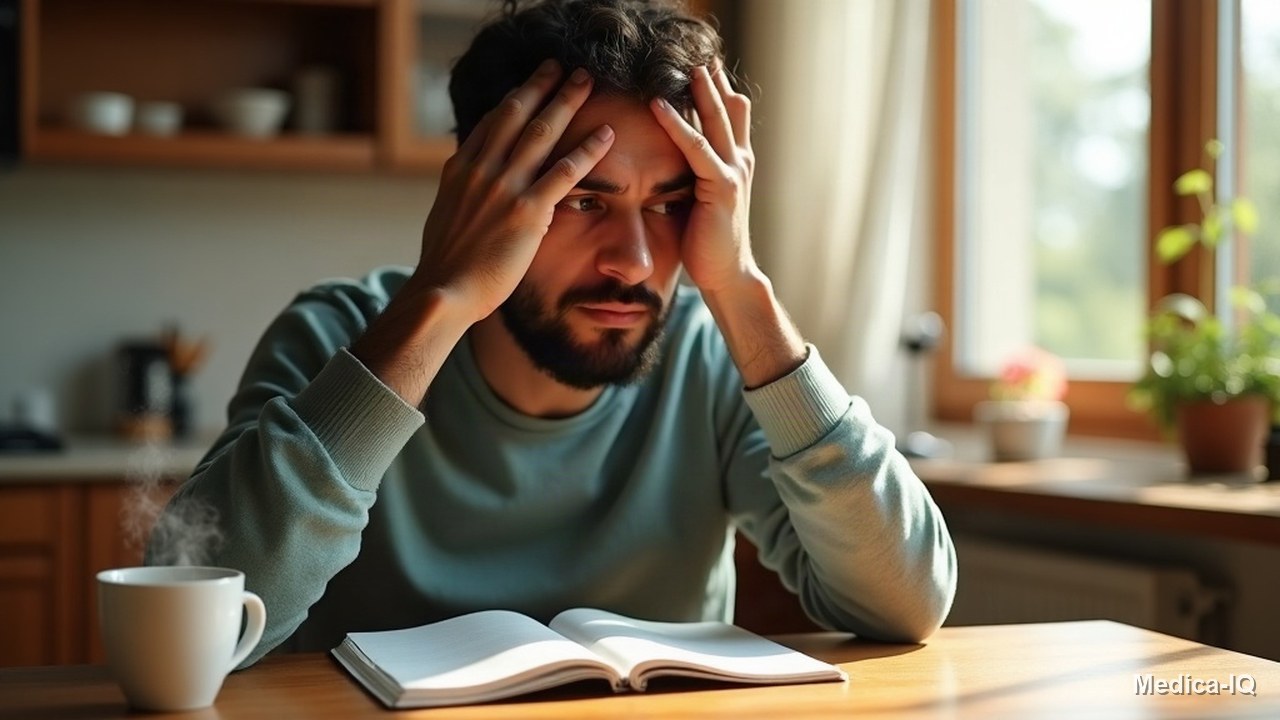
Understanding the Effects of Sleep Deprivation
Insufficient rest impacts nearly every system in the body. In the short term, it often results in daytime sleepiness, irritability, and a reduced ability to concentrate. Cognitive functions suffer as well; neurons become overworked, which can impair memory, judgment, and creativity.
Physical safety is a major concern because lack of sleep slows reaction times. This impairment increases the risk of workplace accidents and motor vehicle crashes. Drowsy drivers may experience microsleeps, where they unknowingly fall asleep for a few seconds.
Long-term health consequences include:
- Cardiovascular Issues: Chronic sleep loss can lead to high cholesterol, heart attack, and stroke.
- Metabolic Changes: It may cause glucose intolerance, increasing the risk of type 2 diabetes and obesity.
- Immune Weakness: A lack of rest can make people more susceptible to common colds and less responsive to flu vaccines.
Sleep Deprivation Symptoms and Brain Impact
The signs of insufficient rest vary by age. Adults often feel unrefreshed upon waking, struggle to fall asleep within 30 minutes, or experience frequent nighttime awakenings. In children, these issues may manifest as hyperactivity, behavioral problems, or poor school performance.
Regarding the brain, total lack of sleep can lead to severe stages:
- 24 Hours: Disorientation, anxiety, and minor sensory distortions.
- 48 Hours: More complex hallucinations, such as hearing or seeing things that are not there.
- 72 Hours: Symptoms resembling psychosis, including intense emotions and delusions.
The effects of sleep deprivation on mental health are significant, as sleep loss is closely linked to anxiety, depression, and bipolar disorder.
Common Causes and Recommended Sleep Hours
Many factors can lead to a sleep deficit, including stressful life events, poor sleep hygiene (such as using electronics in bed), and medical conditions like asthma or heart failure. Hormonal changes during puberty, menopause, or menstrual cycles also disrupt rest. Additionally, sleep disorders such as obstructive sleep apnea or insomnia affect millions of people.
To avoid these issues, experts recommend the following sleep durations per 24 hours:
- Adults (18+): 7 to 9 hours
- Teens (13-18): 8 to 10 hours
- School-age (6-12): 9 to 12 hours
- Preschool (3-5): 10 to 13 hours
- Toddlers (1-2): 11 to 14 hours
- Infants (4-12 months): 12 to 16 hours
How to Manage and Prevent Sleep Issues
Improving sleep hygiene is the first step toward recovery. This includes maintaining a consistent wake-sleep schedule and limiting caffeine near bedtime. To help the body prepare for rest, dim the lights and turn off screens at least one hour before bed.
If you struggle with persistent sleep loss, a doctor can help identify the cause. They may suggest keeping a sleep diary or conducting a sleep study to check for underlying disorders.
FAQ
Can lack of sleep cause high blood pressure?
Yes. During deep sleep, blood pressure typically drops by 10-20%. Sleep deprivation prevents this “nocturnal dipping,” which can lead to hypertension and increase the risk of stroke.
What sleep deprivation does to the brain?
It impairs the ability of neurons to perform optimally, which hinders problem-solving, attention, and emotional regulation. Over time, it may increase the risk of dementia and cognitive decline.
Can sleep deprivation cause weight gain?
Yes, because insufficient rest can negatively affect metabolism and appetite, which is associated with an increased risk of obesity.
What does sleep deprivation look like in children?
While adults feel tired, children may show increased energy, hyperactivity, or difficulty controlling their behavior.
When to See a Doctor
Consult a healthcare provider if you experience the following warning signs:
- Falling asleep unexpectedly during the day.
- Loud snoring or gasping for air during sleep.
- Difficulty functioning at work, school, or home.
- Persistent tiredness despite getting a full night of sleep.
Disclaimer: This content is for informational purposes only and does not constitute medical advice. Always seek the advice of a qualified health provider with any questions regarding a medical condition.
Related articles
- Effective Treatment for Sleep Apnea Options
- Understanding the Different Types of Insomnia
- Understanding Body Jerks While Falling Asleep
- Common Body Changes After Waking Up
- More about Sleep & Sleep Disorders
Illustration: AI-generated
approved by: Medica Health team