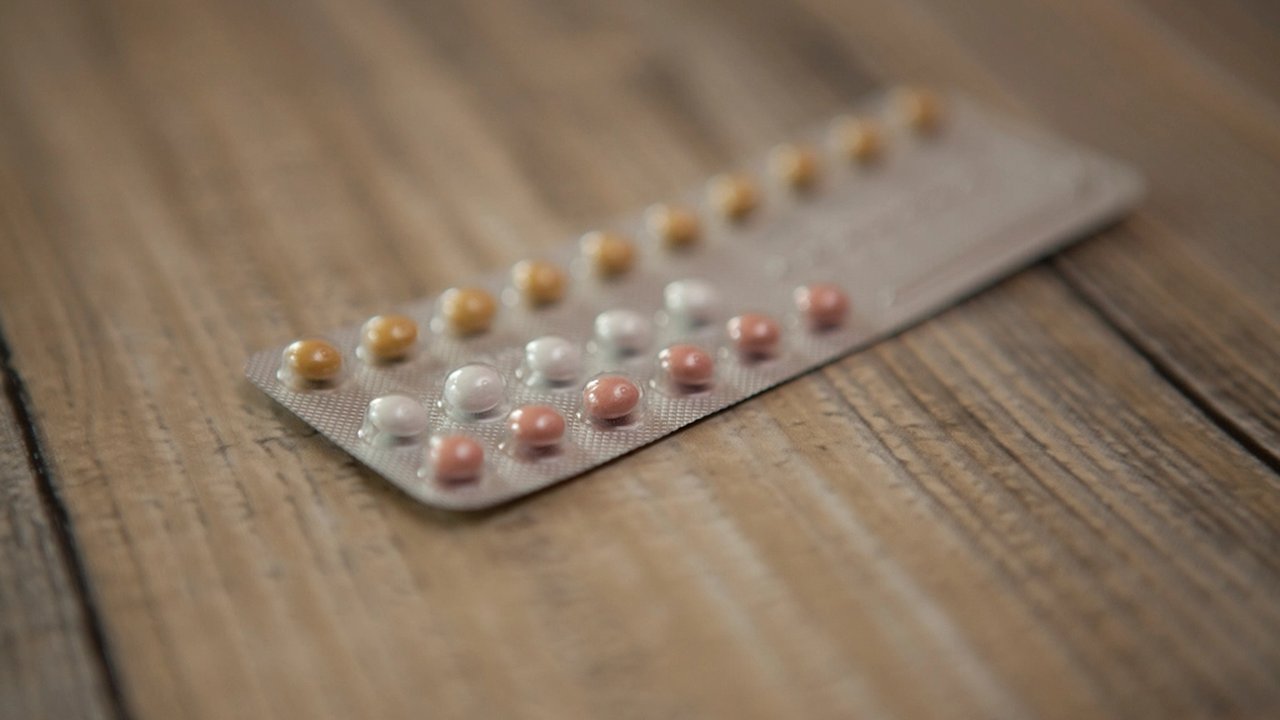
The mini pill is an oral contraceptive method that relies on a single hormone to prevent pregnancy through several different mechanisms.
How does the mini pill work?
This method relies solely on the progestin hormone and works through several mechanisms:
- Increasing the thickness of the mucus in the cervix.
- Thinning the lining of the uterus, which hinders sperm from reaching the egg or prevents a fertilized egg from implanting.
- It may prevent the ovaries from producing eggs, although nearly half of women continue to ovulate while using it.
Indications for using the mini contraceptive pill
This option may be recommended in certain cases, including:
- Breastfeeding and Postpartum: It is considered safe immediately after childbirth or during breastfeeding because it does not affect the quantity of milk.
- Health Conditions: It is advised for those with high blood pressure, heart problems, or a history of lung and leg blood clots.
- Avoiding Estrogen: For those who prefer to avoid side effects associated with estrogen.
- Therapeutic Purposes: It may help reduce menstrual pain or heavy periods and treat certain types of cycle-related skin inflammation.
Contraindications and Risks
This birth control pill is not suitable for everyone; it should be avoided in the following cases:
- Current or past breast cancer.
- Certain liver diseases.
- Uterine bleeding of unknown cause.
- Taking certain medications for epilepsy, tuberculosis, or HIV.
- Difficulty adhering to a strict daily schedule for taking the pill.
Regarding risks, with perfect use, the pregnancy rate is less than 1 in 100 women per year, while it rises to 9 in 100 women with typical use. If pregnancy occurs, there is an increased likelihood of it being an ectopic pregnancy.
Side Effects and Prevention
These pills may cause some symptoms such as:
- Acne, headaches, or nausea.
- Menstrual irregularities, such as unusual bleeding or spotting.
- Tender breasts, decreased libido, or depression.
- Ovarian cysts.
It is essential to know that this method provides no protection against sexually transmitted infections (STIs).
Usage Instructions and Emergency Handling
The pills are usually available in packs of 28 active pills (all containing progestin), and the following should be followed:
- Timing: Take the pill daily at the same time. If you are more than 3 hours late, you must use a backup method (such as a condom) for two days.
- Missed Pill: Take the missed pill as soon as you remember, even if it means taking two pills in one day, and use a backup method for the next two days.
- Illness: If you vomit within 3 hours of taking the pill, another pill should be taken. In cases of severe diarrhea or continuous vomiting, a backup method should be used for two days after symptoms stop.
- Drug Interactions: Some antibiotics may weaken its effectiveness, so you should consult a doctor.
FAQ
What mini pill should I start taking and when?
The ideal time to start is the first day of the menstrual period. It can be started at any time provided there is no pregnancy, but a backup method may be required for the first two days if started after the fifth day of the cycle.
Do these pills affect long-term fertility?
No, it is a reversible method. Fertility can return quickly, and the possibility of pregnancy occurs immediately after stopping the medication.
What should I do if I get pregnant while using the pills?
Stop taking the pills immediately upon discovering the pregnancy. There is no increased risk of birth defects for children in this case.
When to visit a doctor?
Consult a healthcare professional immediately in the following cases:
- If menstrual symptoms are more severe than usual.
- If menstrual bleeding lasts more than 8 days.
- When wishing to change your method of contraception.
- If unprotected sex occurred after a missed pill, to discuss emergency contraception options.
Medical Disclaimer: This content is for informational purposes only and is not a substitute for professional medical advice.
Related articles
- Understanding Contraceptive Implant Birth Control Methods
- Causes and Relief for Lower Back Pain Before Period
- Heavy Menstrual Bleeding and Anemia Connection
- Understanding Menopause Definition and Immune Health
- More about Contraception
Photo: CC0 1.0, via rawpixel.com
approved by: Medica Health team