Understanding the bidirectional link between depression and sleep can help individuals manage their mood and improve their overall quality of life.
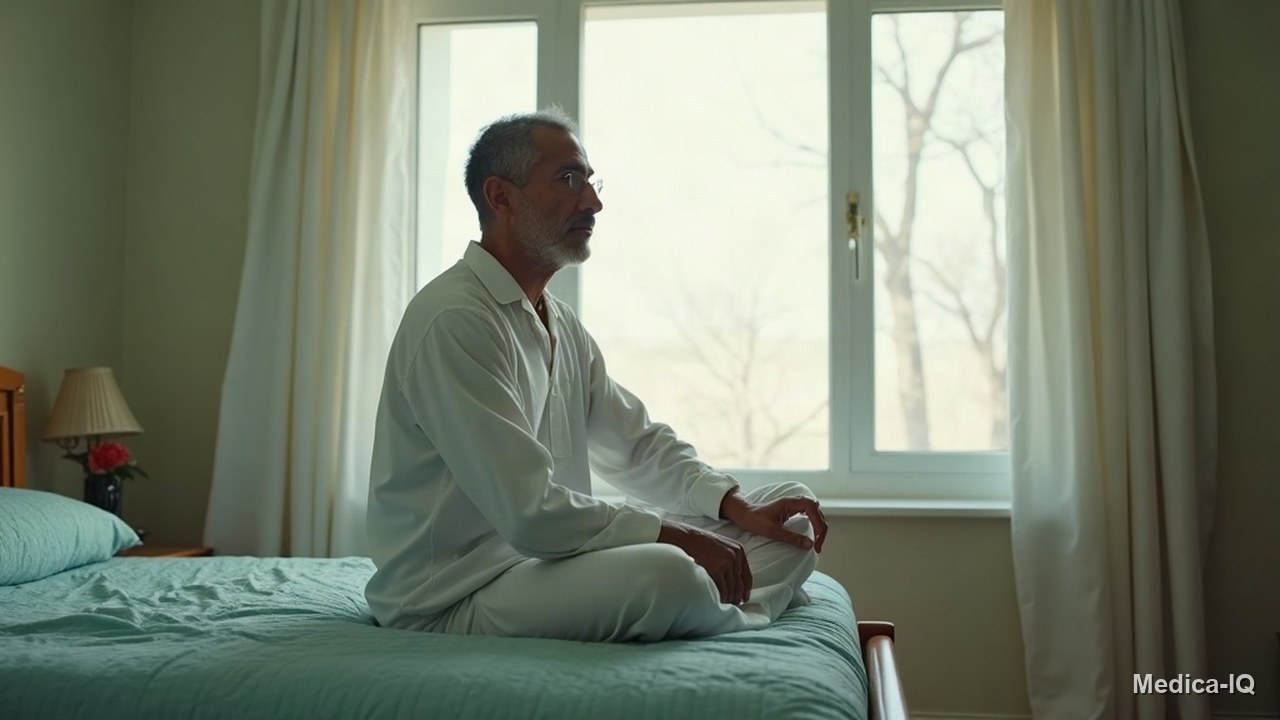
How are Depression and Sleep Related?
The connection between depression and sleep is complex and works in both directions. Poor sleep quality can contribute to the onset of depression, while existing mood disorders often make it harder to get restful sleep. Because of this tight link, some doctors may be reluctant to diagnose a mood disorder if the patient does not also report sleep issues.
Sleep disruptions can interfere with the body’s stress systems and circadian rhythms. They may also affect serotonin, a neurotransmitter that influences mood. This creates a cycle where lack of sleep increases irritability and tension, leading to decreased activity and further sleep disturbances.
Sleep Disorders Associated With Depression
Several specific conditions are frequently linked to mood disorders:
- Insomnia: This is a common sleep disorder. It involves difficulty falling asleep, staying asleep, or waking up too early. Up to 80% of people with depression experience bouts of insomnia.
- Hypersomnia: This involves excessive daytime sleepiness or oversleeping. About 15% of people with depression experience this.
- Obstructive Sleep Apnea: This condition is believed to affect approximately 20% of those with depression.
- Narcolepsy: This disorder disrupts the sleep-wake cycle, causing extreme daytime sleepiness and frequent nighttime awakenings.
Recognizing Depression Symptoms
Depression is a mood disorder characterized by persistent feelings of hopelessness, sadness, or worthlessness. To be formally diagnosed as clinical depression, these symptoms typically must be present for at least two weeks.
Common depression symptoms include:
- Low energy, fatigue, and decreased motivation.
- Loss of interest in activities once enjoyed.
- Difficulty concentrating or focusing.
- Changes in appetite or weight.
- Irritability or anger (more common in men).
- Feelings of guilt or sadness (more common in women).
- Thoughts of death or suicide.
In specific cases, such as postpartum depression, individuals may also struggle to bond with their infants. Seasonal affective disorder (SAD) occurs during times of less sunlight, which can increase melatonin production and trigger symptoms.
Managing Depression and Insomnia
Treating the underlying mood disorder often leads to better sleep. A combination of psychotherapy and medication is frequently the most effective approach.
Therapeutic Options
Counseling, such as interpersonal therapy (IPT) and cognitive behavioral therapy (CBT), helps patients change thought patterns. A specific version called CBT-I focuses exclusively on chronic insomnia.
Medication
Doctors may prescribe various medications depending on the patient’s needs:
- SSRIs and SNRIs: These antidepressants can improve mood and sleep, though some SSRIs may cause insomnia if taken at the wrong time of day.
- Sedating Antidepressants: Certain medications are specifically used to help patients sleep.
- Hypnotics: These are used to treat insomnia.
- Orexin Receptor Antagonists: These block the neurotransmitter that signals the body to wake up.
Lifestyle Tips
- Maintain a Schedule: Go to bed and wake up at the same time daily to aim for at least seven hours of sleep.
- Limit Naps: Keep daytime naps between 10 and 20 minutes. Longer naps can interfere with nighttime sleep.
- Get Sunlight: Spending time outdoors helps align the body’s internal clock.
- Exercise: Regular physical activity can reduce mood symptoms and improve sleep quality, but it should be done in the first half of the day.
- Avoid Alcohol: Even moderate drinking can disrupt the sleep cycle and reduce REM sleep.
When to See a Doctor
Consult a healthcare provider if your mood or sleep quality routinely affects your daily life. Seek immediate help if you experience:
- Symptoms that last longer than two weeks.
- Severe anxiety or feelings of hopelessness.
- Thoughts of suicide or self-harm.
- New or frequent sleep talking accompanied by unusual movements.
FAQ
Do depressed people need more sleep?
Depression can cause fragmented sleep, leading to increased fatigue. While some may feel the need to sleep more than usual, most adults should aim for at least seven hours per night.
Can depression lead to sleep disorders?
Yes, it is linked to conditions like insomnia and obstructive sleep apnea. Because the relationship is bidirectional, it can be difficult to determine if the mood disorder caused the sleep issue or vice versa.
What causes depression?
The exact cause is unknown, but risk factors include a family history of the condition, major traumas or stressors, certain medical illnesses, and some medications.
How is depression diagnosed?
A medical professional, such as a psychiatrist or counselor, diagnoses the condition by evaluating the severity and duration of symptoms and potentially conducting tests.
Medical Disclaimer: This content is for informational purposes and is not medical advice. Always consult your doctor before starting a new medication or changing your treatment plan.
Related articles
- Mallampati Score and Predicting Sleep Apnea
- Chronic Insomnia Guide: Causes, Risks, and Solutions
- Dreaming About Arguing With Your Ex: Meaning and Causes
- Why Are Your Hands Going Numb While Sleeping?
- More about Sleep & Sleep Disorders
Illustration: AI-generated
approved by: Medica Health team