Wakefulness After Sleep Onset is a metric used by clinicians to calculate the total minutes a person stays awake after initially falling asleep.
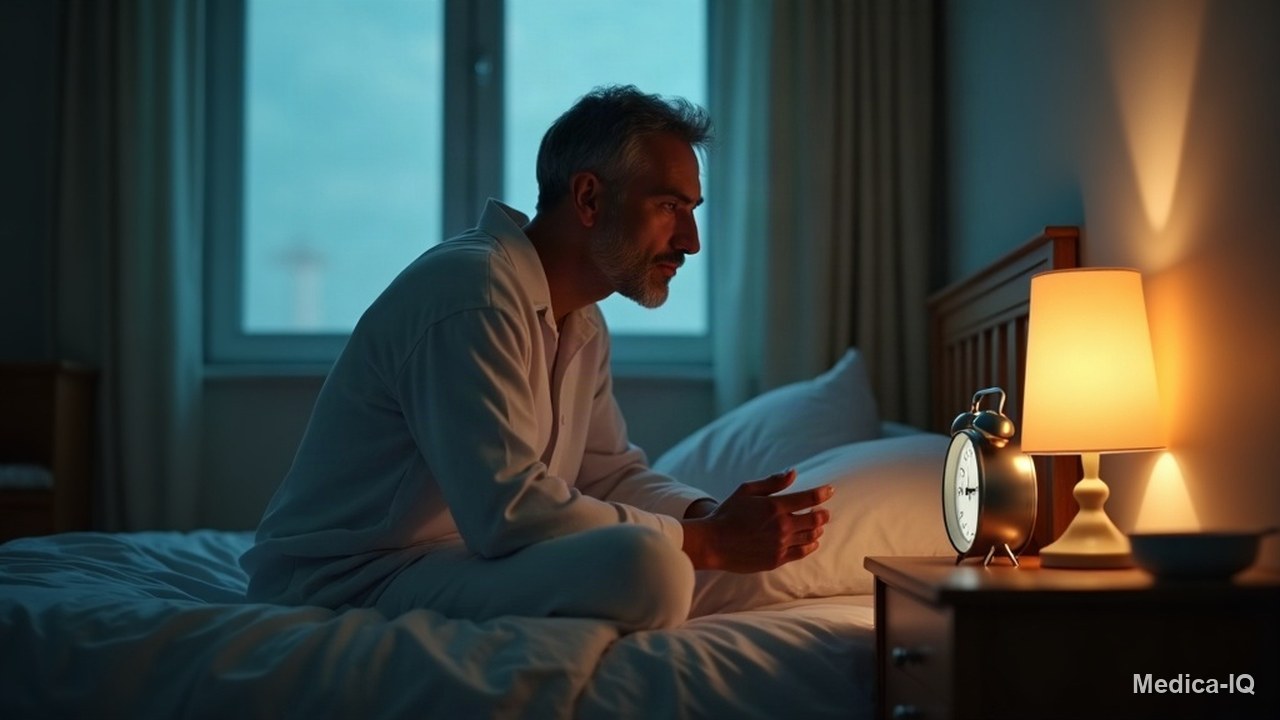
Understanding Wakefulness After Sleep Onset
Wakefulness After Sleep Onset (WASO) is not a medical condition itself, but a measurement of sleep fragmentation. It tracks the cumulative time spent awake from the first moment of sleep until the end of the sleep period. For instance, if an individual wakes up twice for 10 and 5 minutes respectively, their WASO is 15 minutes. While some amount of nighttime waking is normal, excessive time spent awake can lower overall sleep quality.
Common Causes of Nighttime Awakenings
Several factors can increase the amount of time a person is awake after sleep onset:
- Lifestyle and Obligations: Night shift work, irregular sleep patterns common in college students, and caregiving duties for children or loved ones often lead to interruptions.
- Psychological Factors: Stress and poor sleep have a bidirectional relationship; stress can cause awakenings, and fragmented sleep can make it harder to manage daytime stress.
- Substances: Stimulants like nicotine and caffeine can disrupt sleep. Alcohol may cause more awakenings as the body metabolizes it. Certain supplements and medications also interfere with sleep.
- Health Conditions: Sleep disorders such as obstructive sleep apnea, restless leg syndrome, and insomnia frequently increase WASO. Mental health issues like depression and anxiety, or physical pain, can also cause disruptions.
- Environment: Bedrooms that are too hot, too cold, or have excessive noise and light can lead to shallower sleep.
How Wakefulness After Sleep Onset Is Measured
Doctors use different tools to quantify wake time after sleep onset:
- Polysomnography: A clinical sleep study using specialized equipment; it is the most accurate method.
- Actigraphy: A wearable device that tracks body movements to estimate sleep time, though it may underestimate WASO compared to clinic studies.
- Sleep Diaries: Self-reported written records that provide a general outline but may be imprecise.
This metric differs from sleep latency, which is the time it takes to fall asleep initially. It also differs from sleep efficiency, which is a percentage calculating total sleep time divided by total time spent in bed.
Impact on Daily Life and Long-Term Health
High levels of WASO can make a person feel unrefreshed and sluggish. This fragmentation may impair memory, concentration, and decision-making, and can increase sensitivity to pain.
Over the long term, repeated interruptions may increase the risk of type 2 diabetes, obesity, cardiovascular disease, and gastrointestinal issues. There are also links between fragmented sleep and chronic mental health conditions or cognitive decline associated with Alzheimer’s dementia.
Treatment Options
When a person spends 20 minutes or more awake during the night, a doctor may suggest interventions:
- Sleep Hygiene: Improving the bedroom environment (dark, quiet, and cool) and maintaining a consistent schedule.
- Behavioral Changes: Reducing caffeine and alcohol intake and practicing relaxation techniques like meditation.
- CBT-I: Cognitive Behavioral Therapy for Insomnia addresses negative thoughts and may use sleep restriction to reduce time spent awake in bed.
- Medical Intervention: Treating the underlying cause (such as sleep apnea) or using a specific wakefulness medication or sleep aid as prescribed by a professional.
FAQ
What is wakefulness after sleep onset?
It is the total number of minutes a person is awake after they have first fallen asleep during the night.
How does WASO affect day-to-day life?
It can lead to impaired thinking, worsened mood, and a feeling of being unrefreshed, similar to the effects of getting fewer total hours of sleep.
Are there long-term consequences to WASO?
Yes, chronic sleep fragmentation is linked to an increased risk of obesity, cardiovascular disease, and potential cognitive decline.
How is it different from sleep efficiency?
Sleep efficiency is a percentage of total time in bed spent sleeping, whereas WASO is a measurement in minutes of time spent awake after the initial onset of sleep.
When to See a Doctor
Consult a healthcare provider or sleep specialist if you:
- Spend 20 minutes or more awake during the night on a regular basis.
- Experience excessive daytime sleepiness or nodding off.
- Feel that nighttime awakenings are impairing your memory, mood, or ability to function at work or school.
Disclaimer: This content is for informational purposes only and does not constitute medical advice. Always seek the advice of a physician regarding a medical condition.
Related articles
- Can You Wear a Knee Brace While Sleeping?
- Understanding Common Hypnic Jerks Causes
- How Does Napping Impact Your Sleep at Night?
- Can You Sleep With Your Eyes Open? Causes and Risks
- More about Sleep & Sleep Disorders
Illustration: AI-generated
approved by: Medica Health team