Various treatment options are available to manage sexually transmitted infections, including antibiotics for bacterial infections and other medications to control viral symptoms.
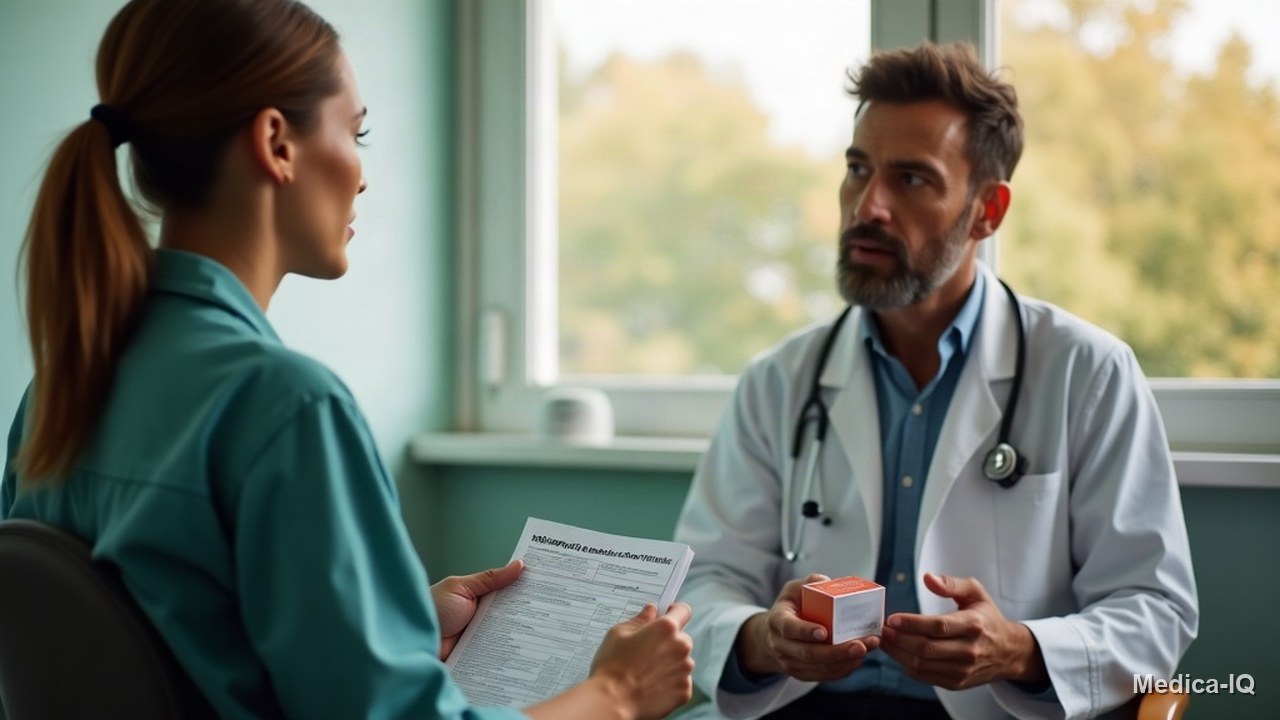
Methods for STD Treatment
The strategy for STD treatment depends on the type of pathogen and is classified as follows:
Bacterial and Parasitic Infections
These types can be cured using antibiotics when diagnosed early, most notably:
- Chlamydia: Treated with medications such as doxycycline, azithromycin, and erythromycin.
- Gonorrhea: Ciprofloxacin, ofloxacin, cefixime, and ceftriaxone are used. A patient may require more than one type of drug due to the emergence of resistant strains.
- Syphilis: Penicillin is considered the optimal treatment choice.
- Trichomoniasis: Treated with metronidazole, with cure rates reaching 90%.
Viral Infections
Viruses cannot be completely eliminated, but medications are used to control viral activity and improve quality of life:
- HIV/AIDS: Antiretroviral drugs are used, and several medications may be combined in what is known as a “drug cocktail.”
- Genital Herpes: Medications such as Zovirax, Valtrex, and Famivir help reduce the severity and duration of outbreaks.
- Hepatitis B: Medications aim to prevent liver damage, including entecavir, adefovir, lamivudine, interferon-alpha, and peginterferon.
- Genital Warts: These may disappear spontaneously, but can be treated topically, via freezing, or in some cases, through surgery.
Testing and Diagnosis of Sexually Transmitted Infections
Diagnosis begins with a review of the patient’s sexual history and an examination for symptoms such as skin rashes or discharges. Laboratory tests include:
- Blood tests: To confirm syphilis in its late stages or HIV.
- Urine samples: Typically used to detect gonorrhea and chlamydia.
- Swabs: Swabs are taken from the vagina, urethra, or from open sores in the genital and anal areas.
Preventing Infection
Prevention is the best way to avoid complications such as infertility or transmission to a fetus. Preventive measures include:
- Using condoms correctly and avoiding oil-based lubricants that may damage them.
- Undergoing premarital screenings.
- Ensuring urination and washing genital areas with soap and water after intercourse.
- Receiving available vaccines, such as the Hepatitis B vaccine, with the necessity of booster doses to ensure continued protection.
FAQ
What sexually transmitted infections are bacterial?
They include bacterial infections such as syphilis and gonorrhea, which are typically curable with antibiotics.
How can infection be prevented?
By using condoms, avoiding sex with infected individuals, undergoing regular screenings, and maintaining personal hygiene after intimacy.
What sexually transmitted infections are not curable?
Viral infections, such as HIV, herpes, and Hepatitis B, are generally not curable, but their symptoms can be managed with antiviral medications.
When to Visit a Doctor Immediately?
You should visit a specialized clinic if the following signs appear:
- Presence of painful ulcers or blisters in the genital area.
- Appearance of warts or unexplained skin rashes.
- Noticing abnormal discharge from the genitals.
- Feeling numbness or burning in sensitive areas.
Disclaimer: This content is for informational purposes only and does not substitute for professional medical advice.
Related articles
- Managing Awiqli: Side Effects and Drug Interactions
- What is the Strongest Painkiller After Surgery?
- Guide to Medications That Affect Blood and Health
- Risks of Over-the-Counter Medication Use Explained
- More about Medicines & Pharmacy
Illustration: AI-generated
approved by: Medica Health team