Insomnia and women often share a complex relationship, as females are estimated to be 40% more likely than males to struggle with this sleep disorder.
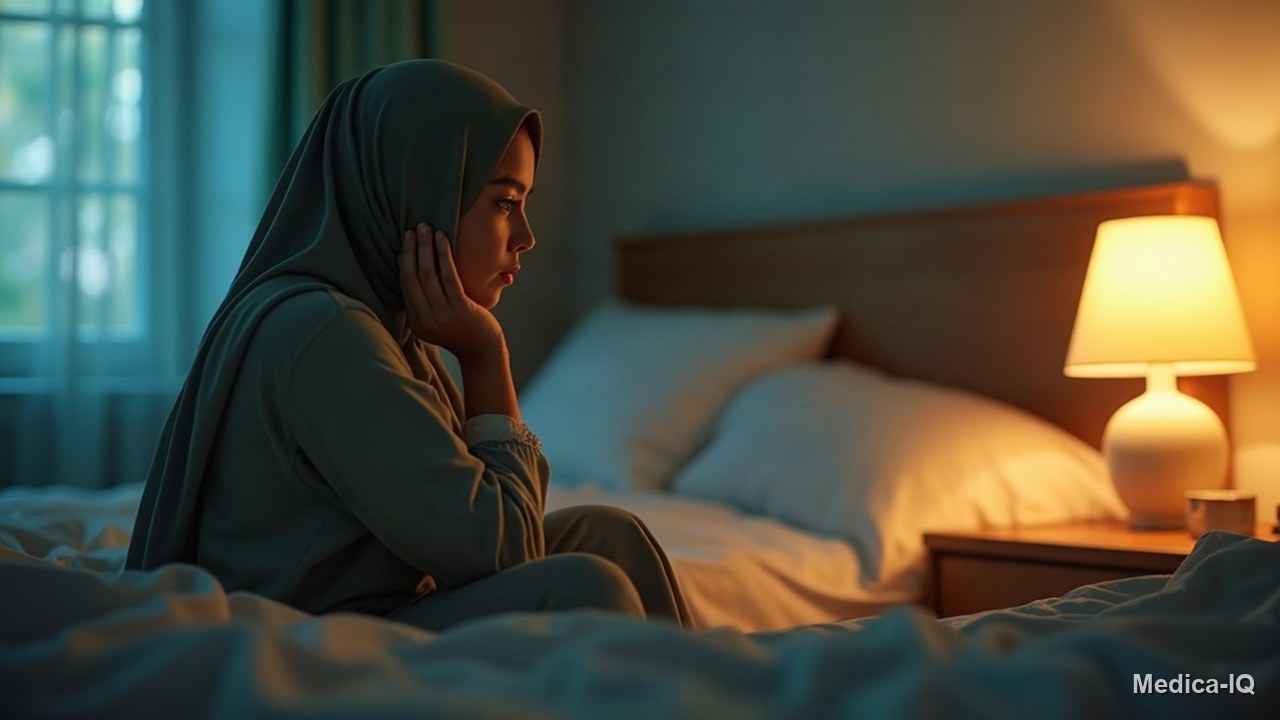
Understanding Insomnia Meaning and Types
In simple terms, this condition involves struggling to fall asleep, waking up too early, or having a hard time staying asleep throughout the night. It is categorized by duration: acute cases last from one night to a few weeks, while chronic versions occur three or more nights weekly for at least three months.
There are two main categories:
- Primary: Sleep issues that are not linked to another health problem.
- Secondary: Sleep disturbances caused by other factors, such as medication, substance use, or medical conditions like arthritis or depression.
What Causes Insomnia in Women?
Various biological and environmental factors contribute to sleep disruptions. Many of these are tied to insomnia and women’s hormones throughout different life stages.
Menstrual Cycles and Hormones
Sleep quality often dips during the two weeks between ovulation and menstruation. This is frequently due to changes in sleep architecture that reduce deep sleep. Those with premenstrual dysphoric disorder (PMDD) or premenstrual syndrome (PMS) may experience more intense emotions, physical discomfort, and a lower response to melatonin.
Pregnancy and Postpartum
Sleep issues can start in the first trimester and often peak in the third, affecting about 60% of pregnant people. Common triggers include:
- Physical changes and fetal movement.
- Frequent urination and acid reflux.
- New developments of obstructive sleep apnea or restless legs syndrome.
- Anxiety regarding the baby or the birth process.
Menopause
The transition to menopause often involves night sweats and hot flashes, which can cause anxiety and irritation. Additionally, the hormonal signals that regulate waking and sleeping weaken, and there is a higher risk of developing depression or sleep apnea.
Other Contributing Factors
- Mental Health: Women are more prone to stress-related sleep loss. Anxiety and depression have a bi-directional relationship with sleep; one often worsens the other.
- Pain: Chronic conditions more common in women, such as fibromyalgia, rheumatoid arthritis, and migraines, can trigger sleep loss.
- Daily Responsibilities: Caregiving and housework often fall on women, leading to disrupted schedules.
- Hormone Therapy: Gender-affirming hormone therapy can negatively impact sleep for trans women and trans men.
How Can Women Get Better Sleep?
To say goodbye to insomnia, focus on identifying the root cause and improving sleep hygiene.
- Establish a Ritual: Create a wind-down routine by avoiding technology 2 to 3 hours before bed and incorporating a warm bath or reading.
- Maintain Consistency: Stick to a regular bedtime that matches your internal biological clock.
- Manage Stress: Use gentle yoga, meditation, or journaling to relax.
- Seek Support: Share household and caregiving duties with others to protect your sleep time.
- Healthy Habits: Regular exercise and a nutritious diet can help manage menopause symptoms and chronic pain.
If these methods do not work after a few weeks, a doctor may suggest cognitive behavioral therapy for insomnia (CBT-I), hormone therapy, or other medications.
FAQ
Why is insomnia so common in women?
Women face a combination of hormonal shifts (during menstruation, pregnancy, and menopause), a higher prevalence of certain chronic pain conditions, and a greater likelihood of experiencing stress and mood disorders.
What is pregnancy insomnia?
This refers to difficulty falling or staying asleep caused by pregnancy-related factors, such as hormonal changes, physical discomfort, and frequent nighttime bathroom trips.
Can external habits affect sleep?
Yes. Using stimulants like nicotine or caffeine too close to bedtime, consuming alcohol, or having a partner with disruptive sleep habits can all interfere with rest.
When to See a Doctor
Consult a healthcare provider if your sleep difficulties persist for more than a few weeks or if you experience the following warning signs:
- Waking up short of breath.
- Loud, disruptive snoring.
- Excessive daytime tiredness that interferes with daily tasks.
- Symptoms of depression or severe anxiety.
Disclaimer: This information is for educational purposes and does not constitute medical advice. Always consult a qualified healthcare provider for diagnosis and treatment.
Related articles
- Best Vitamin for Sleep and Nutritional Support
- How Feeling Lonely Affects Your Sleep Quality
- Heart Palpitations at Night: Causes, Symptoms & Relief
- What Causes Poor Sleep Quality? Common Triggers & Tips
- More about Sleep & Sleep Disorders
Illustration: AI-generated
approved by: Medica Health team