The multiple sleep latency test (MSLT) is a daytime study that measures how quickly a person falls asleep and whether they enter REM sleep.
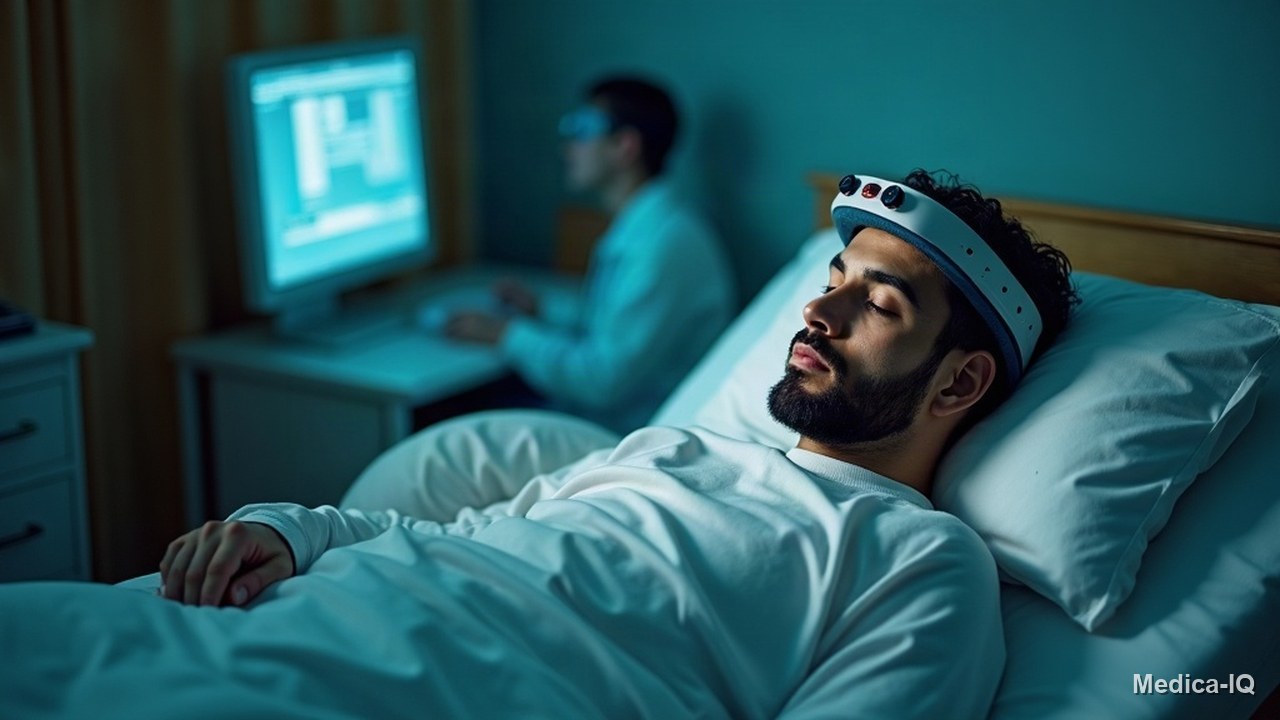
What is the multiple sleep latency test (MSLT)?
This diagnostic tool evaluates excessive daytime sleepiness—an intense urge to sleep during the day that impairs alertness. This differs from general fatigue; it involves unintentionally nodding off during daily activities.
To determine if the test is necessary, doctors may use the Epworth Sleepiness Scale. In this questionnaire, patients rate their likelihood of falling asleep in specific scenarios, such as while reading or riding in a car.
What does the mslt sleep study diagnose?
Sleep specialists primarily use this test to identify:
- Narcolepsy: Typically characterized by an average sleep latency of under eight minutes and at least two sleep-onset REM periods (SOREMPs).
- Idiopathic hypersomnia: Also associated with an average sleep latency of under eight minutes, but with fewer than two SOREMPs.
Excessive sleepiness can occur with insomnia, circadian rhythm disorders, or neurological conditions like multiple sclerosis and Parkinson’s disease, but this specific test is not typically used to diagnose those disorders.
Preparing for and undergoing the test
How to prepare
Because lifestyle factors influence results, doctors usually require a steady sleep routine for several weeks before the appointment. You may be asked to:
- Keep a sleep diary or wear an actigraph device for one to two weeks.
- Temporarily stop taking specific supplements or medications.
The testing process
The procedure typically begins the day after an overnight polysomnography, which monitors breathing, heart rate, and brain waves to provide a baseline for the results.
The daytime portion consists of four or five scheduled nap opportunities, each separated by two-hour breaks. During these intervals, you must stay awake and avoid caffeine, smoking, and intense exercise. In a dark, quiet room, sensors track brain activity and eye movements to record the time it takes to fall asleep and the specific sleep stages entered.
Understanding the results
The primary measurement is sleep latency: the time elapsed between the lights turning off and the onset of sleep. If sleep does not occur within 20 minutes, that duration is recorded as the latency. If you do fall asleep, technicians monitor you for 15 minutes to see if you enter REM sleep. While REM sleep typically occurs after 90 minutes, entering it immediately is classified as a SOREMP.
When to see a doctor
Consult a healthcare provider if you experience persistent sleepiness despite adequate rest. Specific warning signs include:
- Sudden muscle weakness triggered by emotions (cataplexy).
- Temporary paralysis or vivid hallucinations during the transition between waking and sleeping.
- Frequent unintentional sleep episodes that disrupt work, school, or driving.
FAQ
What is a multiple sleep latency test?
It is a daytime sleep study that measures the speed of sleep onset and the presence of REM sleep across several scheduled naps.
What does the multiple sleep latency test measure?
It measures sleep latency (the time it takes to fall asleep) and identifies the sleep stages experienced during short naps.
How do I prepare for an MSLT?
Maintain a consistent sleep schedule, avoid certain medications if instructed, and potentially track your sleep with a diary or actigraph device.
Medical Disclaimer: This content is for informational purposes only and does not constitute medical advice. Always seek the guidance of a qualified healthcare provider regarding a medical condition.
Related articles
- Reading and Sleep: How to Use Books for Better Rest
- Understanding Lack of Sleep Body Effects and Risks
- What is the Shift Work Disorder Definition?
- Risks of Sleeping Without a Pillow: Effects on Health
- More about Sleep & Sleep Disorders
Illustration: AI-generated
approved by: Medica Health team