This article provides essential asthma tips for Hajj to prevent the worsening of shortness of breath and manage environmental triggers, ensuring the rituals are performed safely.
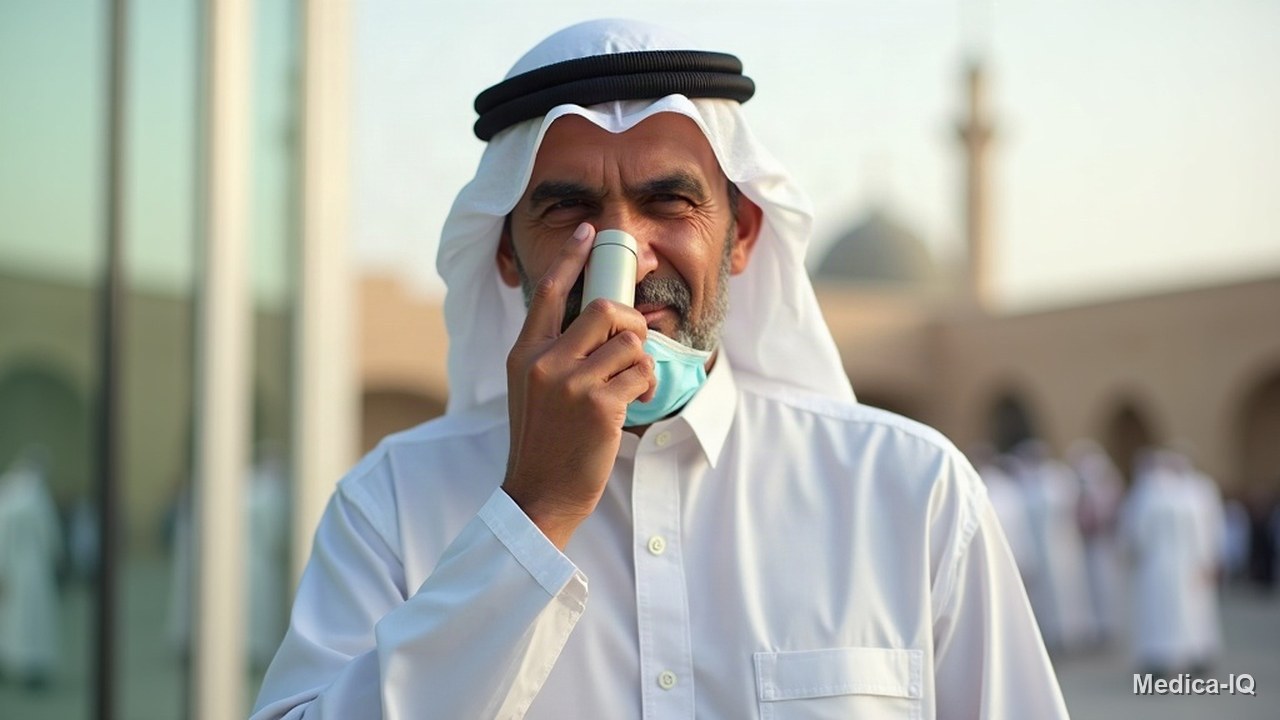
Triggers That Increase Asthma Severity for Pilgrims
Asthma causes the airways in the lungs to narrow. These symptoms may worsen due to several factors during the Hajj period, including:
- Weather fluctuations, especially high humidity and extreme heat.
- Strenuous physical effort during the performance of rituals.
- Being in very crowded areas or places lacking good ventilation.
- Inhaling dust and smoke, such as during the movement between Mina and Arafat or while throwing the pebbles.
- An increased likelihood of contracting cold viruses and respiratory tract infections.
Essential Asthma Tips for Hajj
To reduce the risk of severe attacks, the following guidelines can be followed:
Before Travel and Preparation:
- Consult a specialist doctor to ensure the health condition is stable and fit for travel.
- Prepare a sufficient quantity of required inhalers and medication tablets.
- Carry an identification card or wear a bracelet showing personal data, age, health condition, and medications used.
During the Rituals:
- Strictly adhere to the schedules of prescribed medications, whether tablets or inhalers.
- Always keep a bronchodilator inhaler within reach for immediate use upon feeling shortness of breath.
- Wear face masks in crowds to protect against respiratory infections.
- Choose less crowded times to perform rituals, such as Sa’i, Tawaf, or throwing pebbles at night.
- Consult a healthcare provider about the possibility of using an inhaler before heading to crowded areas or engaging in high physical effort.
- Ensure you get sufficient daily rest.
When to Seek Emergency Medical Care?
Go immediately to the nearest clinic or health center if signs of a severe crisis appear, which include:
- Shortness of breath even while at rest.
- Difficulty speaking, walking, or performing any simple activity.
- Symptoms that do not improve after using the inhaler.
- Bluish discoloration of the nails and lips, feeling confused, or loss of consciousness.
Immediate medical intervention is also required in the event of anaphylactic shock, with symptoms appearing as:
- Swelling of the throat, lips, or face.
- Difficulty swallowing or hoarseness in the voice.
- Paleness of the face, or occurrence of vomiting and diarrhea.
- Chest tightness and difficulty breathing, or dizziness and fainting.
FAQ
How can I avoid asthma attacks in crowds?
It is recommended to use a mask to avoid viruses, choose times with less congestion to perform the rituals, and constantly carry a bronchodilator inhaler.
Do I need to consult a doctor before going to Hajj?
Yes, it is recommended to visit a specialist physician before traveling to check the stability of the health condition and the ability to withstand the hardships of travel and rituals.
What are the danger signs that require emergency care?
These include loss of consciousness, bluish lips, failure of breathing to improve after using the inhaler, or the appearance of sudden swelling in the face and throat due to an allergic reaction.
Disclaimer: This content is for informational purposes only and does not replace consultation with a specialist physician.
Related articles
- Avoid Common Mistakes That Cause Repeated Asthma Attacks
- Asthma Complications: Management and Treatment Guide
- Occupational Asthma: Symptoms, Diagnosis, and Treatment
- Folic Acid Benefits and Uses: A Comprehensive Guide
- More about Asthma
Illustration: AI-generated
approved by: Medica Health team