Here is a comprehensive set of tips for athletes aimed at improving physical fitness, preventing common injuries, and maintaining the health of the body and mind during physical activity.
The Importance of Check-ups and Medical Advice for Athletes
Seeking expert guidance is a fundamental step before starting any training program. A fitness specialist helps design a plan tailored to age, health status, and current fitness level to ensure progress at safe rates.
- Medical Consultation: Confirm with a doctor whether there are any health restrictions that prevent practicing specific exercises.
- Gradual Training: It is recommended to prepare the body gradually for chosen exercises while adhering to correct techniques.
- Weightlifting: Focusing on proper lifting technique is more important than increasing the weight; an inability to lift safely means the weight exceeds the body’s capacity.
- Periodic Follow-up: Regular check-ups can detect silent health issues, such as arterial blockage, avoiding the risk of heart attacks.
Training Guidelines and Injury Prevention
To ensure the safety of muscles and joints, a precise methodology for warming up and recovery must be followed:
- Start and End: Begin every training session with 5 to 10 minutes of light movements to activate blood circulation, and end with 5 to 10 minutes of relaxation and muscle stretching.
- Clothing and Equipment: Choose comfortable clothing and avoid synthetic fibers like plastic, as they increase body heat. Use shoes specifically designed for the sport and a proper fit, and wear protective gear such as helmets for skiing or shin guards for football.
- Sun Exposure: Avoid physical activity during peak hours (high heat and humidity) to prevent heat exhaustion and sunstroke.
- Exercise Timing: Refrain from strenuous activities until at least 3 hours have passed after eating to avoid straining the circulatory system.
Nutrition and Hydration as Part of General Tips for Athletes
Food and water play a pivotal role in supporting athletic performance:
- Fluid Replacement: Drink at least two glasses of water 10-20 minutes before exercise, and one glass every 15 minutes during and after the activity. Do not rely on thirst as the sole measure.
- Benefits of Dates: Dates provide the body with sustainable energy thanks to slow-burn carbohydrates. It is recommended to eat 2-4 pieces half an hour before exercise or immediately after. The potassium they contain also helps prevent muscle cramps.
- Balanced Diet: Eat fish 2-3 times a week and ensure a variety of colorful vegetables and fruits. Replace white bread with brown bread and sugar with honey.
- Useful Additions: Adding half a teaspoon of cinnamon to coffee can help lower cholesterol, and consuming olive oil (3 tablespoons daily) protects against diseases.
Managing Sports Injuries with Ice
Ice is used in the early stages of an injury to reduce swelling, numb pain, and stop bleeding.
Application Methods:
- Compresses: A cloth soaked in iced water for 20 minutes.
- Massage: Moving a piece of ice in circular motions for 20 minutes.
- Baths: Placing the injured limb in cold, iced water for 15 minutes.
- Contrast Baths: (During the first 48 hours) Alternating between hot water (3 minutes) and cold water (1 minute) for fifteen minutes.
Warnings: Do not place ice directly on the skin or protruding bones, and do not exceed 20 minutes per session. Its use is prohibited in cases of paralysis, cold allergy, or Raynaud’s syndrome.
Frequently Asked Questions
How much exercise does an adult need daily?
It is recommended to engage in moderate activity for at least 30 minutes daily. Weekly, it is preferable to do 150 minutes of moderate aerobic exercise, or 75 minutes of vigorous exercise, with muscle-strengthening activities twice a week.
What foods are good for athletic performance?
Dates are excellent as they provide gradual energy and contain niacin to increase red blood cell production for oxygen transport. A balanced diet including fish, colorful vegetables, and whole grains is also essential for athletes.
How should athletes eat to maintain health?
Athletes should focus on a balanced diet, replacing refined sugars with honey and white bread with brown. Proper hydration is key, drinking water every 15 minutes during activity, and incorporating healthy fats like olive oil.
When to Visit a Doctor Immediately?
Stop exercising and consult a doctor if the following signs appear:
- Shortness of breath or dizziness.
- Irregular heartbeat.
- Severe pain or unusual general fatigue.
- Chest discomfort (such as indigestion that does not go away).
Disclaimer: This content is for informational purposes only and does not substitute for professional medical advice.
Related articles
- Exercise Bike Side Effects and Health Benefits
- Effective Exercises for Muscular Strength Arms and Body
- Benefits of Stretching Exercises for Body Flexibility
- How to Get Rid of Belly Fat Effectively
- More about Fitness & Exercise
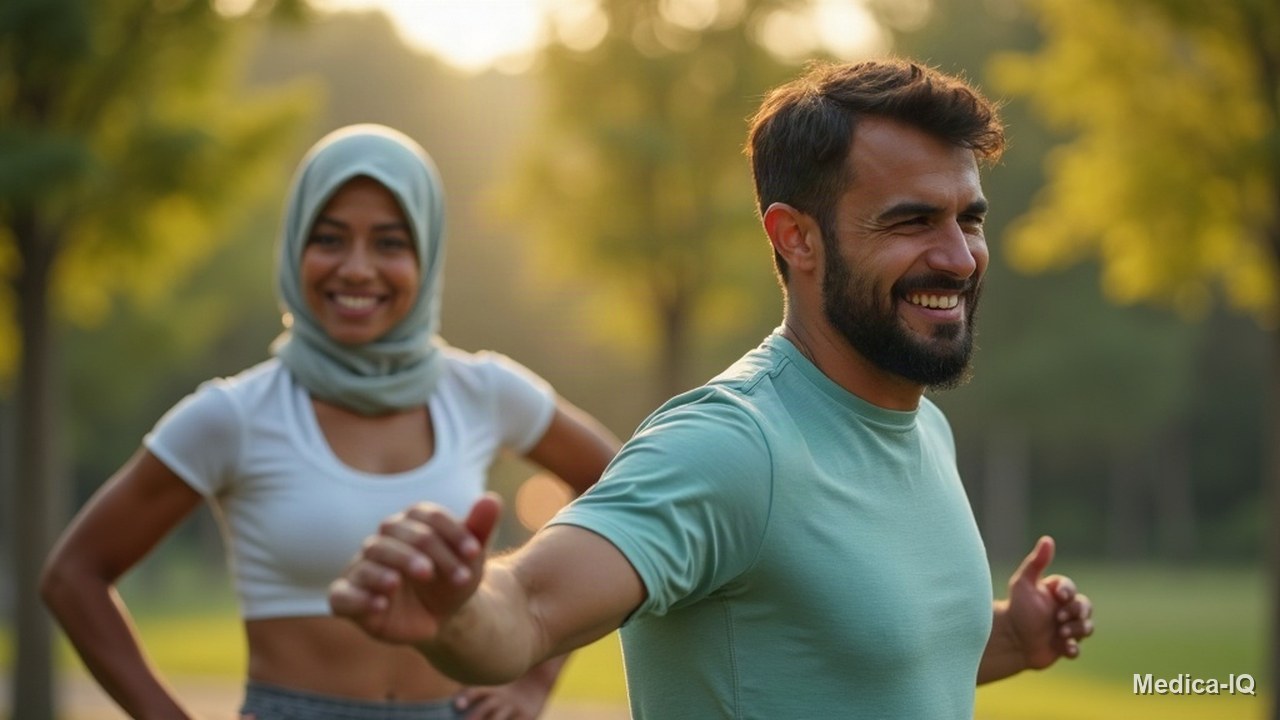
Illustration: AI-generated
approved by: Medica Health team