Learn why the claim that people eat spiders while sleeping is a myth and discover how to keep spiders out of your home.
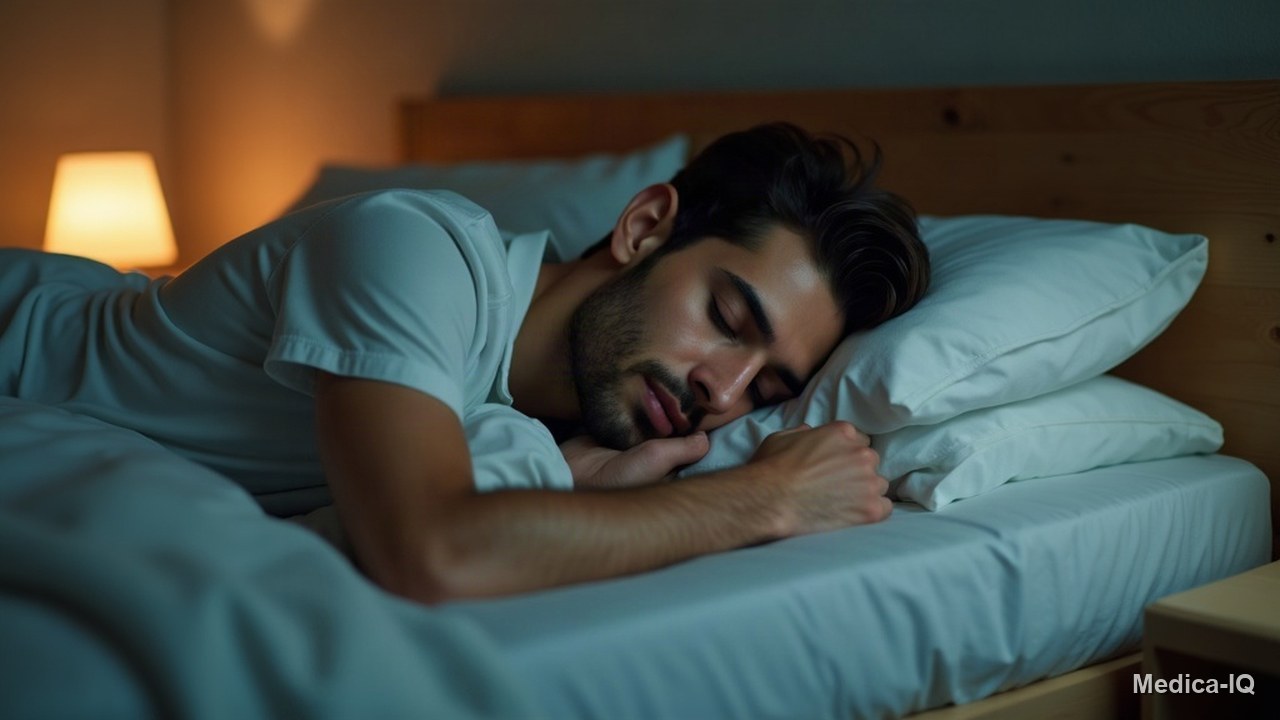
Why You Do Not Eat Spiders at Night
There is no scientific proof that people accidentally swallow arachnids while they slumber. This idea is an urban legend often spread through the internet. Several factors make this scenario unlikely:
- Natural Avoidance: Spiders generally view humans as predators. They can detect the sounds and vibrations a person makes during sleep, which typically frightens them away.
- Lack of Aggression: These creatures are not hostile and rarely bite unless they are trapped or someone rolls over them.
- Preferred Habitats: Most spiders live outdoors. Those that enter homes seek out dark, secluded, and quiet areas rather than a human face.
- Physical Barriers: Most people breathe through their noses and keep their mouths closed during sleep. Additionally, humans do not swallow continuously throughout the night.
The Origin of the Myth
It is unclear exactly how the story began, but spiders are frequent subjects of sensationalist legends. Research into online news from 2010 to 2020 revealed that 43% of spider-related stories were designed to shock readers, and nearly half contained errors.
Understanding the Fear of Spiders Common in Many People
Many people find these creatures repulsive, which helps the myth persist. This reaction may be linked to ancestral survival instincts that encouraged avoiding threatening animals. Arachnophobia affects between 2.7% and 11% of the population.
Why Most Spiders Are Harmless to Humans
Despite their scary reputation, fewer than 1% of spider species are potentially dangerous to people. They are actually beneficial to have around because they hunt ants, beetles, and flies. Often, what people believe is a spider bite is actually a skin irritation, an infection, or a bite from a different insect.
How to Keep Spiders Out of Your Home
If you want to reduce the number of arachnids in your living space, try these steps:
- Seal gaps and cracks in the foundation, walls, windows, and doors.
- Repair any holes or tears in window and door screens.
- Clear away webs from the exterior of the building.
- Vacuum regularly, focusing on hiding spots.
- Maintain a dry environment, as dampness attracts them.
- Keep bedding away from the floor.
- Avoid bringing plants or firewood inside.
- Place traps in dark, secluded areas.
FAQ
Do spiders crawl into your mouth when you sleep?
No. There is no evidence to support this, and the vibrations and movements of a sleeping person usually deter spiders.
Where did the idea that people eat spiders come from?
While the exact origin is unknown, the myth is perpetuated by internet misinformation and sensationalized stories intended to shock readers.
How can I keep spiders out of my house?
You can reduce their presence by sealing entry points, repairing screens, vacuuming frequently, and keeping your home dry.
When to See a Doctor
Consult a healthcare provider if you experience a skin lesion or bite that shows signs of infection or if you have a severe allergic reaction after an insect encounter.
Disclaimer: This content is for informational purposes only and is not a substitute for professional medical advice, diagnosis, or treatment.
Related articles
- Can Anxiety Cause Insomnia? Understanding the Link
- What if I Can’t Sleep During a Sleep Study?
- Best Foods That Help You Sleep for Better Rest
- Understanding Sleep-related Breathing Disorder vs Insomnia
- More about Sleep & Sleep Disorders
Illustration: AI-generated
approved by: Medica Health team