A dark room is ideal for rest, but choosing the right color light helps you sleep by supporting your body’s natural circadian rhythm and melatonin production.
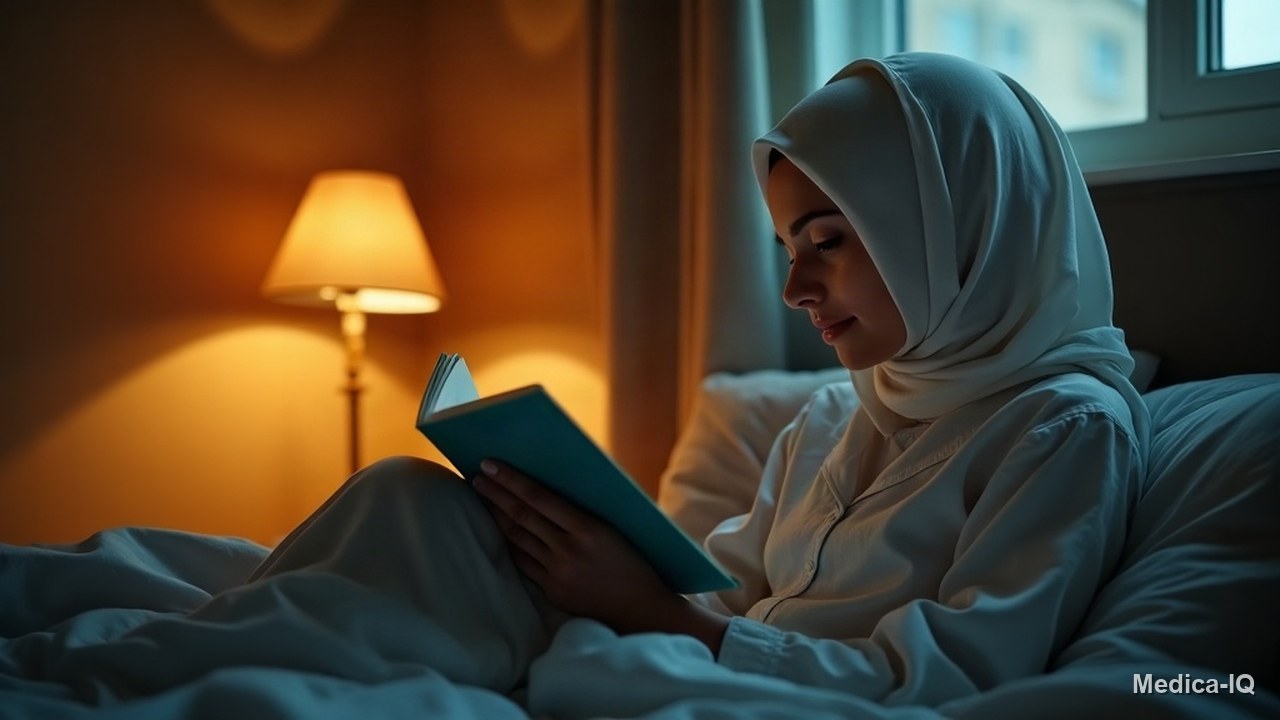
How Light Affect Sleep and Your Body
Light regulates your internal 24-hour biological clock, known as the circadian rhythm. This system uses the cycle of sunrise and sunset to signal when to be awake or asleep. When the environment is dark, the pineal gland in the brain releases melatonin, a hormone that promotes sleep.
Artificial lighting can disrupt this process. High-energy, cool-toned lights can trick the brain into thinking it is still daytime, which may lead to sleep disorders like insomnia. Conversely, some people use light therapy—exposure to bright artificial light at specific times—to reset their internal clock. This is often used to treat jet lag, seasonal depression, and circadian rhythm sleep disorders.
The Best Color Light Helps You Sleep
If you need illumination in the evening, warm hues are the most beneficial for preparing the body for rest.
- Red Light: This color has the longest wavelength (about 700 nanometers) and is one of the best options for nighttime. It does not disrupt circadian rhythms and may increase melatonin. Using it can also reduce sleep inertia, which is the feeling of disorientation upon waking. However, if the light is too bright, it may actually suppress melatonin.
- Orange and Yellow Light: Dim lights in these shades have a minimal effect on the sleep-wake cycle and can help increase melatonin production compared to cooler colors.
The Worst Color Light for Sleeping
Cooler colors generally signal the body to be alert and awake, making them poor choices before bed.
- Blue Light: Emitted by smartphones, computers, and televisions, this light is highly effective at suppressing melatonin. It is the most disruptive color for sleep.
- Green Light: This color can also reduce drowsiness and melatonin, though its effect is typically weaker than that of blue light.
While many devices use a “night mode” to filter blue light by adding a yellow tint, some research suggests that the wavelength of the light, rather than the visible color, is what actually impacts the brain.
FAQ
What color light helps you sleep the best?
A completely dark room is best. If light is necessary, red, orange, or dim yellow lights are the most helpful because they have the least impact on your circadian rhythm.
Is it good to sleep with a red light on?
Yes, red light is often recommended for nighttime use because it can support melatonin production and may reduce morning grogginess.
What color light should you avoid at night?
Avoid blue light from electronic screens and cool-toned artificial lights, as these increase alertness and inhibit the hormones needed for sleep.
How does blue light affect sleep?
Blue light stimulates specific cells in the retina that signal the brain it is daytime, which suppresses melatonin and makes it harder to fall asleep.
When to See a Doctor
Consult a healthcare provider if you experience persistent sleep issues or warning signs such as:
- Chronic insomnia or difficulty falling asleep.
- Waking up frequently short of breath.
- Excessive daytime tiredness.
- Loud snoring.
- Symptoms of seasonal depression or jet lag that do not resolve.
Medical Disclaimer: This content is for informational purposes only and does not constitute medical advice. Always seek the guidance of a qualified health provider with any questions regarding a medical condition.
Related articles
- How a Daylight Saving Time Bill Could Affect Your Sleep
- Benefits of Ginger Lemon Tea Before Bed for Your Health
- Is Snoring Bad? Causes, Risks, and How to Stop Snoring
- Sleep and Grief: Managing Sleep Problems During Loss
- More about Sleep & Sleep Disorders
Illustration: AI-generated
approved by: Medica Health team