Discover the best available ways to relieve constipation through various methods, including dietary adjustments, physical activity, and medication options to improve bowel movements.
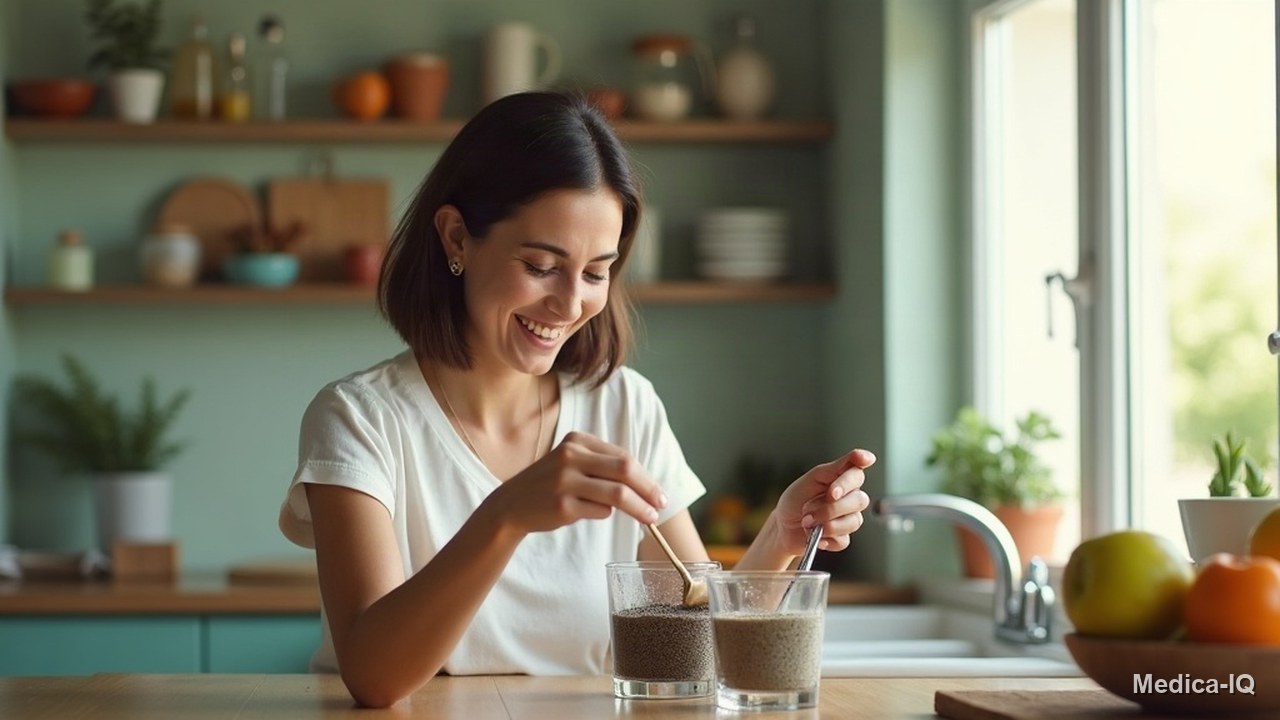
Home-Based Ways to Treat Constipation
You can start by following some simple daily habits to facilitate bowel movement, including:
- Diet: Focus on eating vegetables, fruits, whole grains, and legumes rich in fiber.
- Fluids: Drink sufficient amounts of water and liquids daily to prevent dehydration.
- Physical Activity: Engage in exercises such as walking for 30 minutes a day, or a total of 150 minutes per week.
- Habit Adjustment: Set regular times for bowel movements, go to the bathroom as soon as the urge is felt, and use a footstool while sitting on the toilet.
- Avoid Certain Substances: Reduce the intake of caffeine and dairy products (especially for those with lactose intolerance).
Using Chia Seeds for Constipation Treatment
Chia seeds are a useful natural option due to their high insoluble fiber content. They turn into a gel-like substance when absorbing water, which increases stool moisture and eases movement. They can be used as follows:
- With Water: Soak 20 grams (about one and a half tablespoons) in water and consume them on an empty stomach in the morning.
- With Milk or Juice: Soak one or one and a half tablespoons in water for 30 minutes, then strain and add them to a glass of milk or juice.
- With Lemon: Mix one tablespoon of seeds with one tablespoon of lemon juice, a glass of water, and a pinch of cayenne pepper, and consume it at night.
Medical and Pharmacological Interventions
When home solutions are not enough, a doctor may suggest other ways to treat constipation:
- Over-the-counter medications: Such as fiber supplements, milk of magnesia, mineral oils, and laxatives.
- Prescription medications: Including lubiprostone, linaclotide, plecan tide, and prucalopride.
- Medical procedures: Such as enemas, manual stool removal, biofeedback therapy, or surgery in certain cases.
- Diagnosis: This may include a digital rectal exam, colonoscopy, abdominal X-rays, or anorectal manometry tests.
Managing Constipation in Children
Children require special care, which includes:
- Encouraging them to consume fiber and fluids and engage in physical activity.
- Setting a specific time for bowel movements, preferably 10 minutes after breakfast.
- Using glycerin suppositories or nutritional supplements after consulting a doctor.
- In severe cases, a doctor may recommend a hospital-administered enema to clear the bowels.
When Should You Visit a Doctor?
It is advised to seek medical care in the following cases:
- The condition persists for more than two weeks or does not improve after home treatment.
- There is blood in the stool or rectal bleeding.
- You experience severe and persistent pain in the abdomen or anal area.
- Unexplained weight loss, vomiting, or fever occurs.
- There is a sudden and noticeable change in usual bowel patterns.
Frequently Asked Questions
What natural way to relieve constipation is effective with chia seeds?
Chia seeds are beneficial because they contain insoluble fiber that forms a gel when absorbing water. This improves stool moisture and consistency and supports the health of beneficial gut bacteria.
Can chia seeds cause constipation?
Yes, excessive consumption may lead to digestive disturbances, including constipation, gas, and bloating.
Does psychological state affect bowel movements?
Yes, depression and psychological stress can cause constipation; therefore, relaxation and abdominal massage can help improve the condition.
Medical Disclaimer: This content is for informational purposes only and does not substitute for professional medical advice.
Related articles
- Debunking Common Myths with Medical Facts
- Intestinal Parasites: Symptoms, Causes, and Treatment
- Constipation: Annoying but Treatable Guide
- Understanding Crohn’s Disease and Ulcerative Colitis
- More about Intestines & Colon
Illustration: AI-generated
approved by: Medica Health team