Learn the most effective methods for the prevention of softening of the bones to ensure skeletal strength and avoid mineral deficiencies that affect mobility and joints in adults and children.
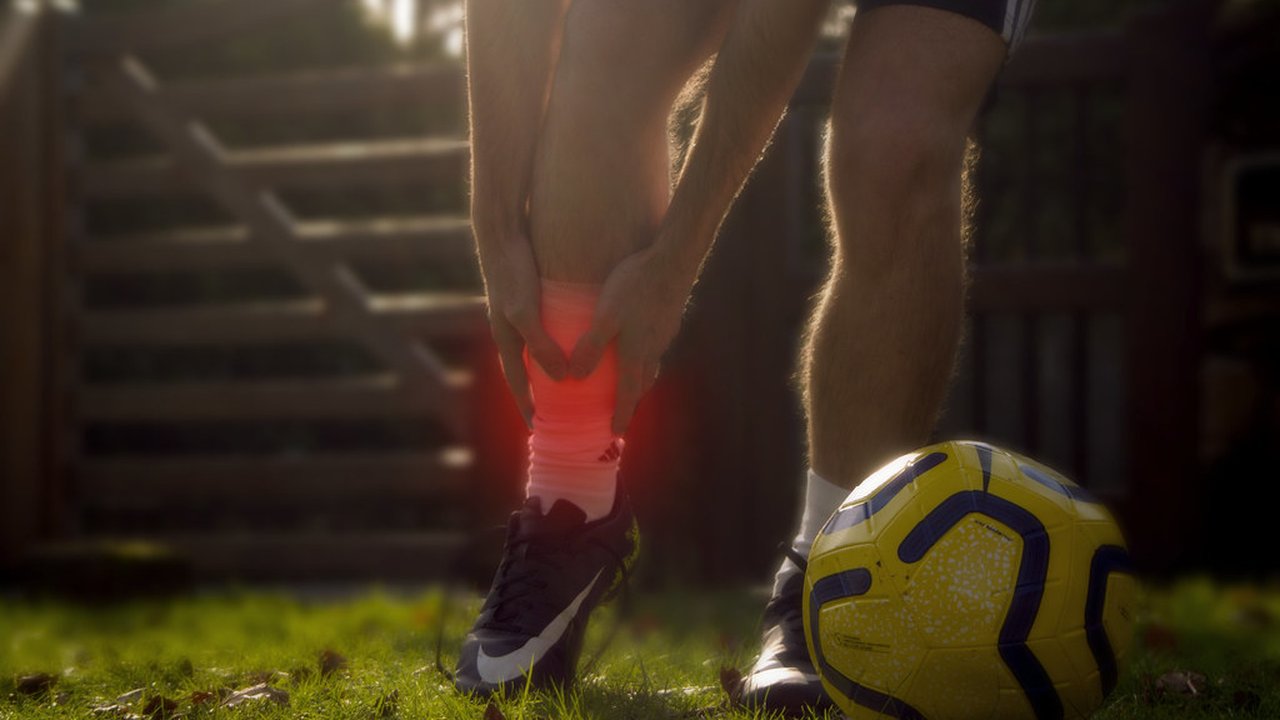
What is Softening of the Bones?
This disorder is a condition that leads to weak and brittle bones, making them prone to fractures. This problem usually occurs due to a deficiency in essential minerals that maintain bone hardness; when it affects children, it causes rickets.
Osteomalacia Prevention and Enhancing Body Health
The body can be protected from this disease by following a healthy lifestyle and focusing on the following elements:
- Proper Nutrition: Focus on foods rich in vitamin D and calcium, such as:
- Oily fish (salmon, sardines, and mackerel).
- Dairy products, yogurt, and eggs (especially the yolk).
- Whole grains, fruits, vegetables, mushrooms, and oranges.
- Sun Exposure: Sunlight helps the body produce the vitamin D necessary for the absorption of phosphorus and calcium. Children are advised to be exposed to the sun for at least 15 minutes daily, avoiding peak heat to prevent burns.
- Nutritional Supplements: Calcium and vitamin D supplements are used under medical supervision in cases of severe deficiency or absorption problems. Vitamins may be administered via injection if the digestive system does not absorb nutrients well.
- Healthy Habits: Practicing exercise, working to reduce weight, and avoiding smoking and alcohol consumption.
Rickets in Children and How to Protect Them
Preventing rickets in children requires specific measures to ensure healthy growth:
- Breastfeeding: Breast milk provides all the vitamins and elements necessary for the growth of an infant’s bones.
- Complementary Feeding: Gradually introduce beneficial foods when the child reaches six months of age.
- Physical Activity: Gently move the infant’s joints (arms and legs) and allow the child free movement in later stages instead of restricting them in stationary chairs for long periods.
Detecting Early Signs of Osteomalacia
Rapid diagnosis helps prevent the condition from worsening. You can notice some early signs of osteomalacia such as:
- Delay in the child’s walking and movement, and a tendency toward lethargy and laziness.
- Difficulty gripping objects firmly.
- The appearance of curvature in the bones, especially in the leg area.
The Difference Between Softening of the Bones and Osteoporosis
There is common confusion between the two conditions, but the difference is that softening of the bones often appears at an early age and leads to bone deformity and curvature. Osteoporosis, however, is usually associated with aging, where bones become thin and weak, increasing the likelihood of fractures.
Frequently Asked Questions
What causes softening of the bones?
It results primarily from a vitamin D deficiency, which hinders calcium absorption. This may be due to malnutrition, health problems in the liver or kidneys, stomach and intestinal surgeries, or the use of certain medications. In rare cases, the cause is genetic.
What are the symptoms of this condition?
Symptoms include pain in the bones and joints, weakness in the thigh and arm muscles, constant fatigue, and difficulty climbing stairs or sitting, in addition to muscle spasms or a tingling sensation in the extremities.
How is the disease diagnosed?
This is done through blood and urine tests to measure vitamin and mineral levels, or by using X-rays to detect structural changes. Bone mineral density tests or bone biopsies may be used in specific cases.
When Should You Visit a Doctor?
Consult a doctor immediately if the following signs appear:
- Bones fracturing easily, especially in the hips or lower back.
- A noticeable change in the way of walking (waddling gait).
- Noticing curvature in a child’s legs.
- Severe muscle weakness that hinders simple daily activities.
Disclaimer: This content is for informational purposes only and does not substitute for professional medical advice.
Related articles
- Guide to Proper Computer Use for Pain Prevention
- Understanding Joint Function and How Joints Work
- Understanding Chronic Tendinitis: Causes and Treatment
- Supplements for RA: What You Need to Know
- More about Muscles, Tendons & Injuries
Photo: our30, BY 2.0, via flickr.com
approved by: Medica Health team