Discover the best teas for sleep to help you relax and improve your nightly rest through natural, caffeine-free herbal options.
How Certain Teas for Sleep Work
Many people use herbal infusions as a holistic way to manage insomnia and enhance the quality of their rest. These drinks often work by interacting with the brain or providing essential nutrients that signal the body to wind down.
Popular Herbal Options
- Chamomile: Contains apigenin, a compound that binds to benzodiazepine receptors in the brain to create a mild tranquilizing effect.
- Valerian Root: Contains natural sedatives called sesquiterpenes and valepotriates. It is often used for nervousness and heart palpitations.
- Passionflower: Contains flavonoids that may lower anxiety. When paired with valerian, it may provide short-term relief from insomnia.
- Lemon Balm: A member of the mint family that may reduce restlessness and symptoms of depression.
- Magnolia Bark: Contains honokiol, which binds to GABA receptors to help a person fall asleep faster.
- Lavender: While often used in aromatherapy, drinking it as a tea may reduce fatigue, though its effects may be short-term.
Banana Tea
This drink is made by steeping the fruit, the peel, or both in boiling water. While direct research on the tea itself is limited, bananas contain nutrients that support sleep:
- Tryptophan: An amino acid that converts to serotonin and then melatonin.
- Magnesium: A mineral that helps maintain sleep cycles and may reduce anxiety.
- Potassium: An electrolyte that can help prevent nighttime leg cramps.
Choosing the Best Teas for Sleep and Anxiety
When looking for the best teas for sleep and anxiety, options like lemon balm and passionflower are frequently cited for their ability to reduce stress and restlessness. Incorporating these into a consistent bedtime routine can help signal to your body that it is time to sleep.
To get the most benefit, ensure your choice is caffeine-free. Some chamomile blends may be mixed with other leaves that contain caffeine, so always check the label. For those who find the earthy taste of valerian root or magnolia bark unpleasant, adding honey or maple syrup can improve the flavor.
FAQ
Is chamomile actually good for sleep?
Yes, research suggests it can improve sleep quality. It has been shown to help postpartum women reduce sleep barriers and help older adults achieve better rest.
Does chamomile tea have caffeine in it?
Pure chamomile is naturally caffeine-free. However, some commercial blends mix it with other teas that do contain caffeine.
What is the best tea for sleep aid?
The “best” option depends on your needs. Valerian root is highly rated for falling asleep faster, while chamomile and passionflower are often used for relaxation and anxiety.
Is chamomile safe?
It is generally safe in typical amounts, but it can cause allergic reactions in some people and may interact with certain medications.
When to See a Doctor
Consult a healthcare provider if you experience the following:
- Chronic insomnia that does not improve with lifestyle changes.
- Severe anxiety or depression that interferes with daily functioning.
- Allergic reactions after trying new herbal ingredients.
- The need to use tea extracts, as some (like green tea extract) can cause liver damage or interfere with medications such as nadolol or simvastatin.
Disclaimer: This content is for informational purposes only and does not constitute medical advice. Always consult with a healthcare professional before starting any new supplement or herbal remedy.
Related articles
- Sleeping on Your Back for Facial Skin and Body Health
- Effective Bedtime Routines for Adults: A Complete Guide
- What Is Deep Rest NSDR? Benefits and How to Practice
- Newborns and Pacifiers: A Complete Guide for Parents
- More about Sleep & Sleep Disorders
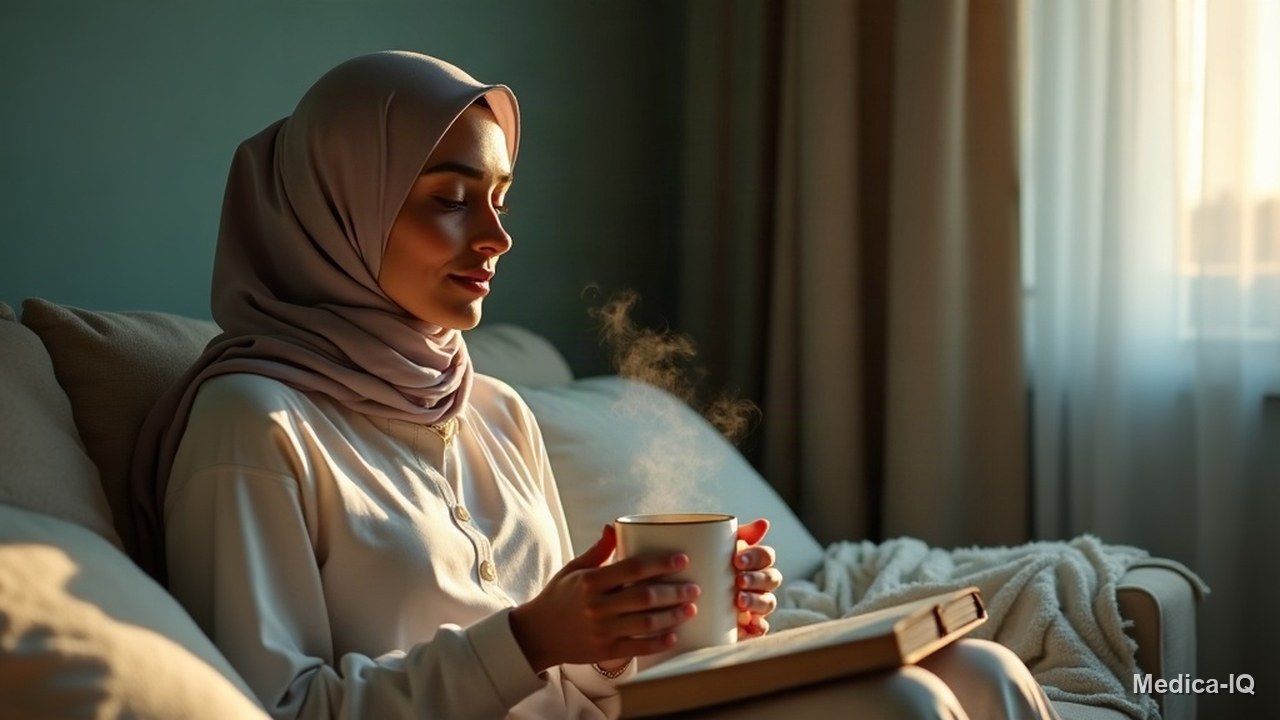
Illustration: AI-generated
approved by: Medica Health team