Childhood eye cancer is a rare condition characterized by the abnormal growth of retinal cells, and symptoms of the eye may vary, including changes in pupil color or strabismus.
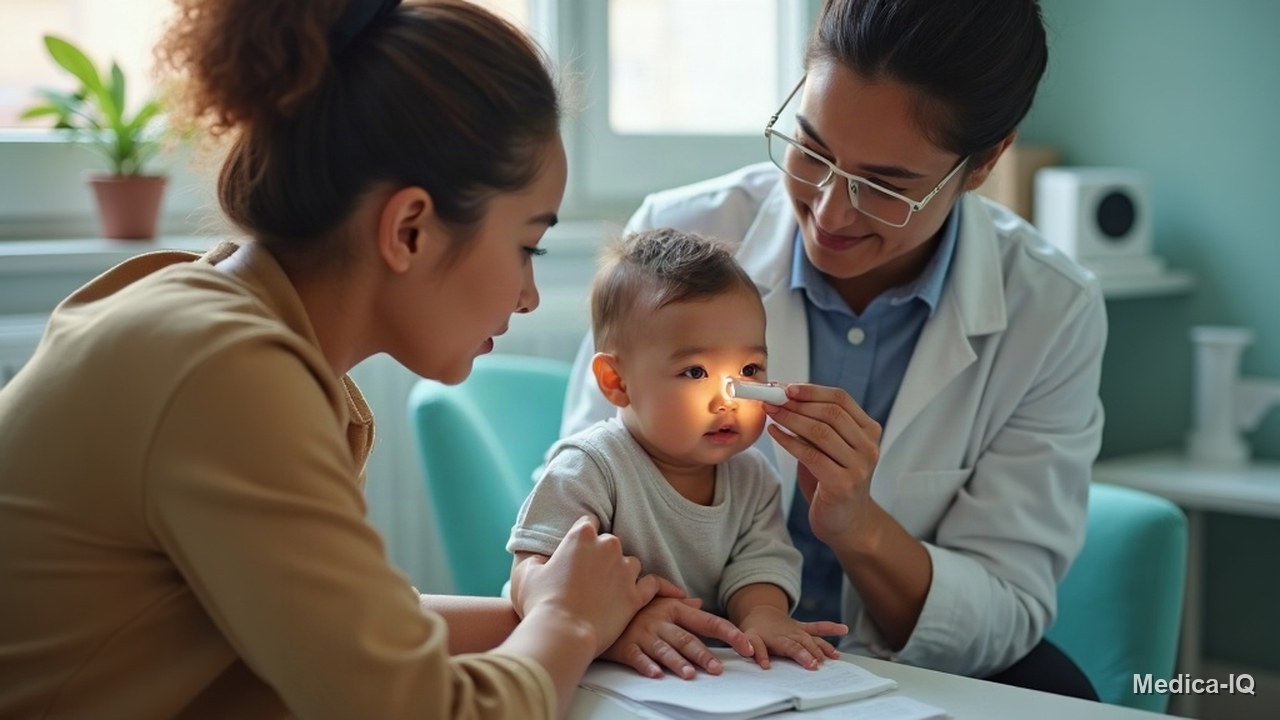
What is Childhood Eye Cancer?
Childhood eye cancer refers to the appearance of malignant tumors in the retina due to abnormal cell division, a condition similar in nature to those affecting adults. This rare syndrome affects approximately 4 million children globally, with retinal tumors accounting for about 3% of all malignant tumors in children; however, not every retinal tumor is necessarily cancerous.
How Does Eye Cancer Develop in Children?
This disease arises due to mutations in the RB1 gene, which hinders the production of a protein responsible for regulating cell division, leading to random growth and tumor formation. Development is divided into two types:
- Hereditary: Most often appears in both eyes, and those affected are more prone to other types of cancers, such as osteosarcoma.
- Sporadic: Usually appears in only one eye without a genetic predisposition.
Notably, 90% of people with retinal cancer gene mutations actually develop the disease. Although the tumor begins in the retina, there is a risk of it extending through the optic nerves to the brain.
Recognizing Eye Symptoms
Often, no clear signs appear initially, which may delay diagnosis. However, when symptoms of the eye manifest, they may include:
- The pupil turning white (Leukocoria).
- The presence of strabismus (crossed eyes).
- Blurred vision or seeing intermittent black spots.
- Inflammation of the eye or the appearance of different colors in the pupil.
Diagnosis Methods for Eye Cancer
The diagnosis of eye cancer relies on several medical procedures to confirm or rule out the condition, including:
- Ultrasound imaging.
- Fluorescein angiography.
- Biopsy of eye tissues.
Genetic tests are also performed to determine if the condition is hereditary. This is vital because 15% of cases appearing in one eye may be hereditary even without a family history, necessitating screening for family members.
Treatment Options for Childhood Eye Cancer
Treatment is determined based on the location and size of the tumor, its type (hereditary or sporadic), and its impact on vision:
- Surgical Intervention: If the tumor is in one eye, the eye may be removed (enucleation), cutting as much of the optic nerve as possible to ensure recovery.
- Chemotherapy and Radiation: Intravenous chemotherapy is recommended when both eyes are affected, and external radiation can be used to reduce complications for those over one year of age.
- Cryotherapy: Used for small tumors located in the anterior part of the retina.
- Photocoagulation: Laser beams are used to destroy tumors located in the posterior part of the retina.
FAQ
What are the symptoms of eye cancer in children?
The most prominent signs are the pupil appearing white, strabismus, blurred vision, seeing black spots, and eye inflammation.
How does eye cancer develop in children?
It develops due to genetic mutations in the RB1 gene that prevent the control of cell division, leading to tumors that are either hereditary (affecting both eyes) or sporadic (affecting one eye).
What is meant by childhood eye cancer?
It is the abnormal growth and division of cells in the retina, known medically as retinoblastoma.
When to Visit a Doctor?
You should consult an ophthalmologist immediately if you notice any of the following signs:
- A sudden change in the color of the pupil (such as turning white).
- The appearance of unexplained strabismus in the child.
- The child complaining of seeing black spots or blurred vision.
- Persistent inflammation or changes in eye colors.
Disclaimer: This content is for informational purposes only and does not substitute for professional medical advice.
Related articles
- Laser Eye Surgery Guide for Vision Correction
- Common Causes of Puffy Eyes and How to Treat Them
- Recognizing Common Signs of Eye Diseases
- Strabismus in Children: Diagnosis and Treatment Guide
- More about Eye Diseases
Illustration: AI-generated
approved by: Medica Health team