Insomnia significantly affects an individual’s quality of life and daily abilities, leading to various physical and psychological health risks due to constant sleep deprivation.
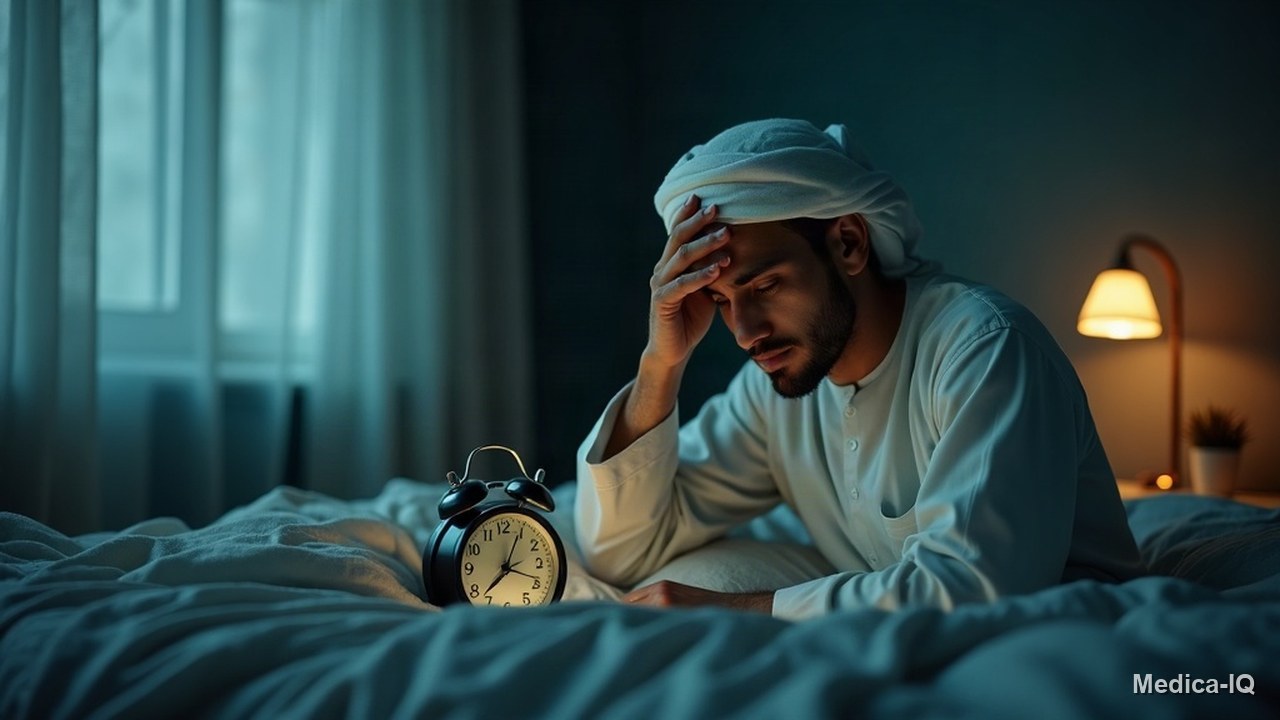
What is Insomnia and Its Symptoms?
Insomnia is a disorder characterized by difficulty falling asleep, frequent waking during the night, or waking up very early and being unable to return to sleep. A person is considered to have this disorder if these difficulties occur three or more times per week for at least one month.
Symptoms appear in several forms, including:
- Feelings of fatigue, lethargy, and low energy during the day.
- Distractibility, poor concentration, and memory impairment.
- Irritability, mood swings, and feelings of anxiety or depression.
- An increased likelihood of making mistakes or experiencing accidents.
Effects of Insomnia on the Body and Vital Functions
Chronic lack of sleep leads to serious health complications. The effects of insomnia on the body include the following:
- Cardiovascular System: Increased risk of stroke, coronary artery disease, and heart failure. Blood pressure also remains elevated for longer periods because it normally drops during sleep.
- Immune and Respiratory Systems: The immune system’s ability to perform its functions weakens, and asthma attacks may become more severe in those with chest allergies.
- Metabolism: It contributes to weight gain and obesity due to its impact on the hunger and satiety centers in the brain, which in turn increases the risk of diabetes.
- Sexual Health: It causes a decrease in sexual desire in both men and women; in men, it may lead to erectile dysfunction and lower testosterone levels.
Insomnia Effects on Skin and Mental Health
The effects of sleep deprivation are clearly visible in both physical appearance and mental state:
- Insomnia effects on skin: Elevated levels of cortisol (the stress hormone) lead to the breakdown of skin collagen, causing wrinkles, fine lines, dark circles, worsening acne, and increased oil production.
- Mental Health: It increases the risk of depression tenfold compared to those who sleep well, increases the likelihood of suicidal thoughts and anxiety, and makes decision-making and problem-solving more difficult.
Preventing Insomnia Complications
Health risks can be reduced by improving sleep habits:
- Regulating the Schedule: Sticking to fixed times for sleeping and waking up daily.
- Preparing the Environment: Providing a quiet, cool room with dim lighting, and using the bed for sleep only.
- Adjusting Dietary Behavior: Avoiding caffeine (such as coffee, tea, and chocolate) after midday, and refraining from heavy meals or drinking large amounts of fluids immediately before bed.
- Physical Activity: Exercising during the day and avoiding it two to three hours before sleep, as it increases alertness and raises body temperature.
- Avoiding Screens: Avoiding smartphones and televisions before bed because the light emitted from them reduces melatonin.
Frequently Asked Questions
How much sleep do we need?
Needs vary from person to person, but most adults require between 7 to 9 hours per night. School-aged children need an average of 10 hours, while older adults (over 70) may be satisfied with less than 6 hours.
Does napping compensate for lack of sleep?
The benefit depends on the timing; a short nap (10-20 minutes) can be refreshing, but napping late in the day may reduce the desire to sleep at night and worsen the effects of insomnia.
What does insomnia feel like and is it only caused by psychological reasons?
It feels like persistent restlessness and exhaustion. Beyond psychological stress, it can result from organic causes such as chronic pain, obstructive sleep apnea, or the side effects of certain medications.
When Should You Visit a Doctor?
Consult a doctor immediately if the following signs appear:
- If it becomes difficult to perform daily activities and work due to lack of sleep.
- If sleep disturbances persist for a long period (chronic insomnia lasting 3 months or more).
- Feeling constant and persistent anxiety about the ability to sleep.
Disclaimer: This content is for informational purposes only and does not replace professional medical advice.
Related articles
- Interrupted Sleep: Causes, Effects, and Helpful Tips
- Sleep Duration and Developing Atrial Fibrillation Risk
- Anxiety at Night: Symptoms, Causes, and Relief Tips
- How Sleep Apnea Affects Blood Pressure and Heart Health
- More about Sleep & Sleep Disorders
Illustration: AI-generated
approved by: Medica Health team