Facial acne occurs due to clogged pores and excess oil, and it can be managed through a proper skincare routine or professional facial acne treatment.
What Causes Facial Acne?
These breakouts happen when dead skin cells accumulate with sebum inside the pores, creating a fertile environment for bacteria and inflammation. Several factors contribute to this:
- Hormonal Fluctuations: These are prominent during adolescence, during pregnancy due to increased progesterone, and before menstruation due to varying levels of female and male hormones.
- Lifestyle and Habits: Excessive consumption of sugars and fats, smoking, lack of sleep, and insufficient water intake.
- Health and Environmental Factors: Thyroid dysfunction, psychological stress, or using cosmetics unsuitable for the skin type.
- Medications: Some treatments, such as antidepressants, stimulants, or contraceptive pills, may cause breakouts as a side effect.
Home Remedies for Facial Acne
Mild cases can be alleviated through preventive steps and daily care:
- Proper Cleansing: Wash your face twice daily with lukewarm water. Avoid over-washing to prevent skin dryness or stimulating more oil production.
- Avoid Harmful Practices: Do not touch your face frequently. Most importantly, do not squeeze or pop pimples, as this pushes bacteria deeper into the skin and increases the likelihood of scarring.
- Product Selection: Stay away from products with high alcohol concentrations and use oil-free moisturizers.
- Post-Activity Care: Shower immediately after exercising to remove sweat and heat that trigger bacterial growth.
- Natural Ingredients: You can try tea tree oil, aloe vera gel, turmeric, or apple cider vinegar as a skin cleanser.
Medical Facial Acne Treatment Options
When the condition becomes severe, a doctor may prescribe specialized options to help you get rid of facial acne, including:
Topical Treatments
- Benzoyl Peroxide: Acts as an antiseptic and anti-inflammatory; it is recommended to use sunscreen as it increases skin sensitivity.
- Salicylic Acid: Helps open clogged pores.
- Topical Retinoids: These accelerate cell renewal and prevent pores from clogging. Breakouts may worsen initially before improving over 8 to 12 weeks.
- Azelaic Acid: Removes dead cells and eliminates bacteria.
- Topical Antibiotics: Such as erythromycin and clindamycin; these are more effective when combined with benzoyl peroxide.
Oral Treatments
In some cases, a doctor may prescribe acne medication taken orally, such as:
- Vitamin A supplements.
- Oral antibiotics.
FAQ
What causes acne during pregnancy?
It occurs due to significant hormonal fluctuations. Increased progesterone stimulates the sebaceous glands to produce more oil that clogs pores; these breakouts often disappear after childbirth.
How do I handle acne after age thirty?
This stage requires adjusting your beauty routine, following a healthy diet that reduces sugars, ensuring adequate sleep and hydration, and washing with lukewarm rather than hot water.
Why are some pimples painful?
They may result from deep inflammation in the hair follicles (papules), the formation of hard lumps under the skin (nodules), or abscesses containing pus. These are often linked to hormonal changes or bacterial infections.
When Should You Visit a Doctor?
It is advisable to consult a specialist if the condition does not improve at home, or when the following signs appear:
- Feeling pain at the site of the breakouts.
- Occurrence of bleeding or severe redness.
- Persistent itching and skin irritation.
Disclaimer: This content is for informational purposes only and does not substitute for professional medical advice.
Related articles
- Flaxseed for Face: Benefits and Potential Side Effects
- Best Methods for Oily Skin Exfoliation
- How to Treat and Prevent Skin Stretch Marks
- Benefits of Vitamin E for Intimate Area and Skin Care
- More about Skin Care
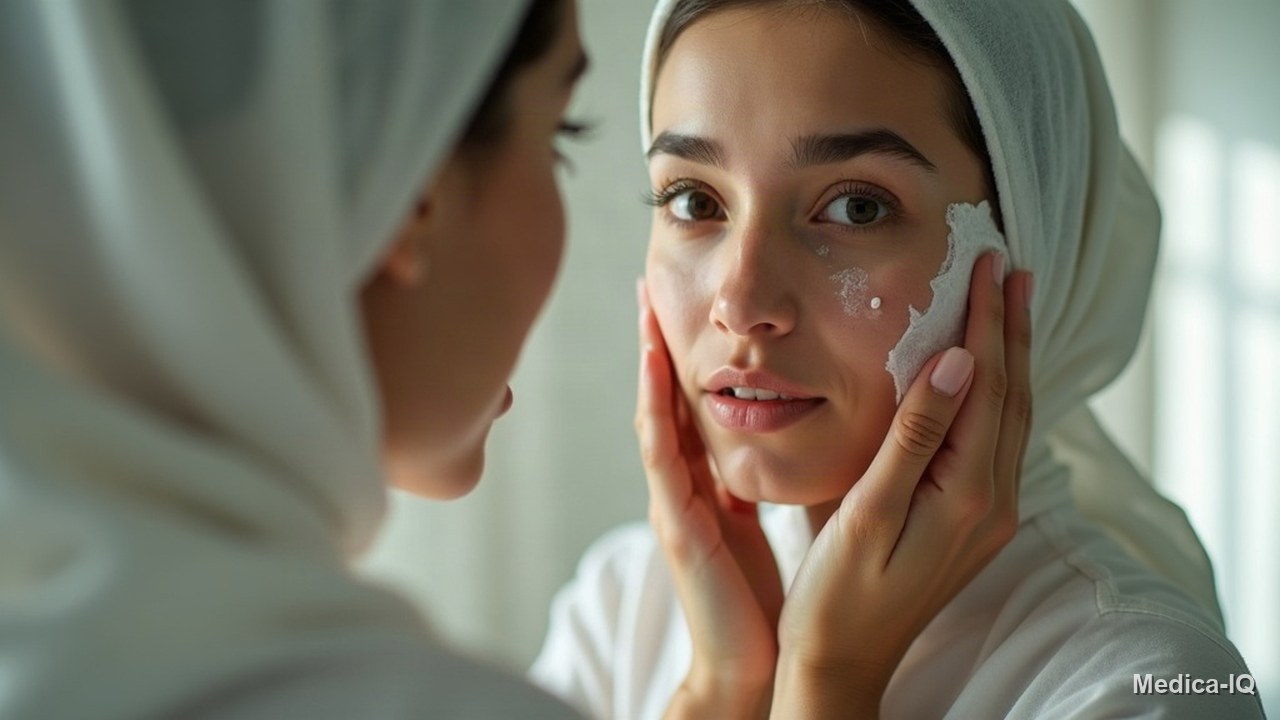
Illustration: AI-generated
approved by: Medica Health team