Waking up with a wet pillow is common, as people often drool in their sleep due to position, health issues, or medications.
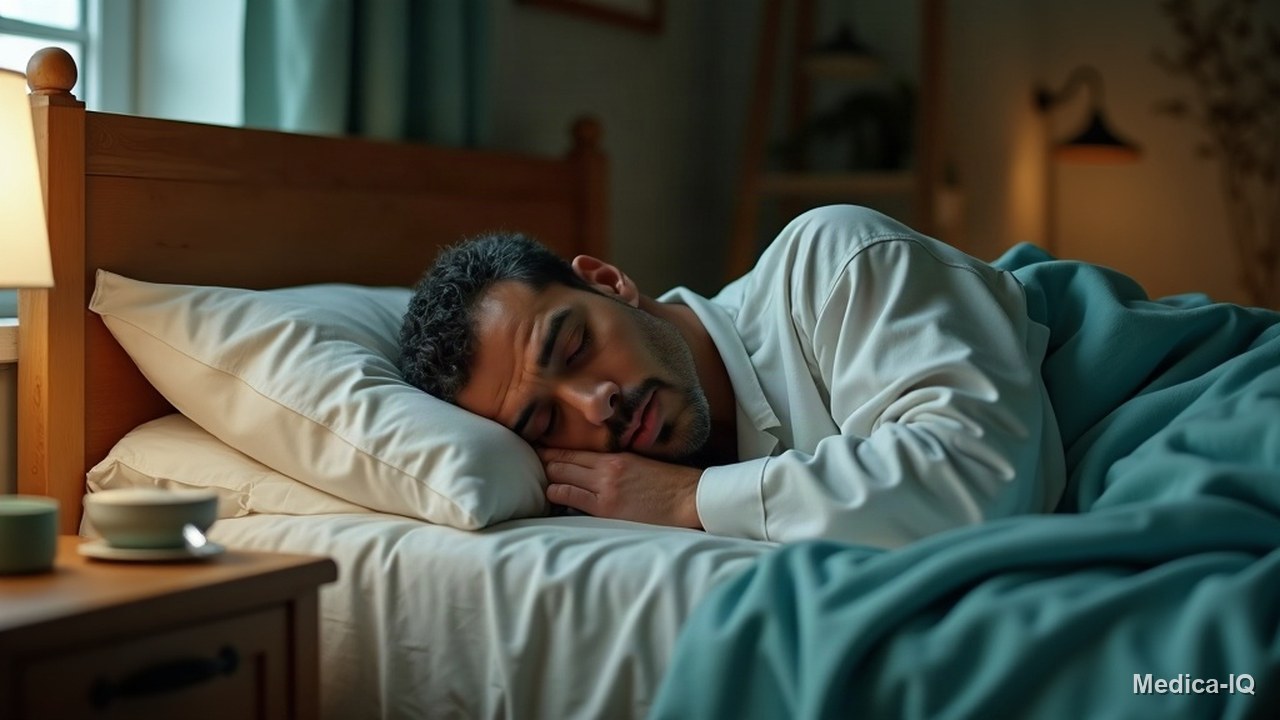
Is it normal to drool in your sleep?
In most instances, this is a normal occurrence. The body produces saliva throughout the day and night to keep the throat and mouth lubricated. While production typically decreases during sleep, any excess fluid that escapes the mouth results in a drool. This can sometimes lead to dehydration, bad breath, or embarrassment.
What causes drooling during sleep?
Several factors can contribute to the escape of saliva or the overproduction of fluid, known as hypersalivation or sialorrhea.
Sleep Position and Habits
Gravity plays a significant role in where saliva goes. Those who sleep on their stomachs or sides are more likely to have saliva pull away from the mouth and onto the pillow. Conversely, sleeping on the back usually allows saliva to stay in the mouth or move toward the throat. Mouth breathing, which often happens when sleeping in side or stomach positions, further increases the likelihood of leakage.
Health Conditions and Infections
- Respiratory Issues: Seasonal allergies, the common cold, sinus infections, tonsillitis, or strep throat can inflame sinuses and block airways. This forces a person to breathe through their mouth.
- GERD: Gastroesophageal reflux disease can cause difficulty swallowing (dysphagia) or irritate the esophagus, prompting the body to produce more saliva.
- Sleep Disorders: Obstructive sleep apnea (OSA) often involves mouth breathing, which makes it easier for fluid to escape.
- Bruxism: Grinding teeth during sleep is frequently associated with mouth breathing and drooling.
Medical Factors
Certain neurological conditions that affect the nervous system and swallowing abilities can lead to excessive salivation. This includes cerebral palsy (affecting up to 80% of patients) and Parkinson’s disease (affecting around 70% of patients). Other causes include stroke, traumatic brain injury, Bell’s palsy, Huntington’s, and ALS.
Medications
Some prescription drugs may cause excessive salivation as a side effect. This includes certain antipsychotics, antibiotics, and medications used for Alzheimer’s.
How to stop drooling in your sleep
Depending on the cause, there are several ways to manage the issue:
- Adjust Position: Switching to back sleeping can minimize leakage. Using side pillows can help a person stay on their back.
- Manage Allergies: Treating nasal congestion can help a person return to breathing through the nose.
- Devices and Therapy: Mandibular devices can keep the lips closed and the tongue positioned correctly. Speech therapy may strengthen jaw and tongue muscles to improve swallowing.
- Medical Interventions: Botox injections into salivary glands can reduce production for a few months. Some neurological patients may use medications that block nerve impulses to the glands.
- Surgery: In severe cases where a person also drools while awake, surgery to remove or alter salivary glands may be a last resort.
FAQ
Is drooling during sleep normal?
Yes, it is generally normal because saliva production continues while you sleep to keep your mouth healthy and lubricated.
What causes drooling in adults?
Common causes include sleeping on the side or stomach, nasal congestion from allergies, sleep apnea, teeth grinding, or certain medications.
How can I stop drooling at night?
You can try sleeping on your back, treating allergies to clear your nasal passages, or using a mandibular device to keep your mouth closed.
When to see a doctor
While usually harmless, you should consult a healthcare provider if drooling is severe or continuous. Seek medical advice if you notice signs of obstructive sleep apnea, such as:
- Waking up during the night or gasping for air.
- Loud snoring or choking sounds.
- Morning headaches.
- Excessive daytime sleepiness or trouble focusing.
Disclaimer: This content is for informational purposes only and does not constitute medical advice. Always consult a healthcare professional for diagnosis and treatment.
Related articles
- Is Snoring Bad? Causes, Risks, and How to Stop Snoring
- Precognitive Dreams: Meaning, Examples, and Reality
- How to Cool a Room During Summer: Natural Tips & Tricks
- How Social Media Affects Your Sleep Quality
- More about Sleep & Sleep Disorders
Illustration: AI-generated
approved by: Medica Health team