A new type of dental device has been cleared to treat severe sleep apnea, providing an alternative for those who cannot use surgery or CPAP machines.
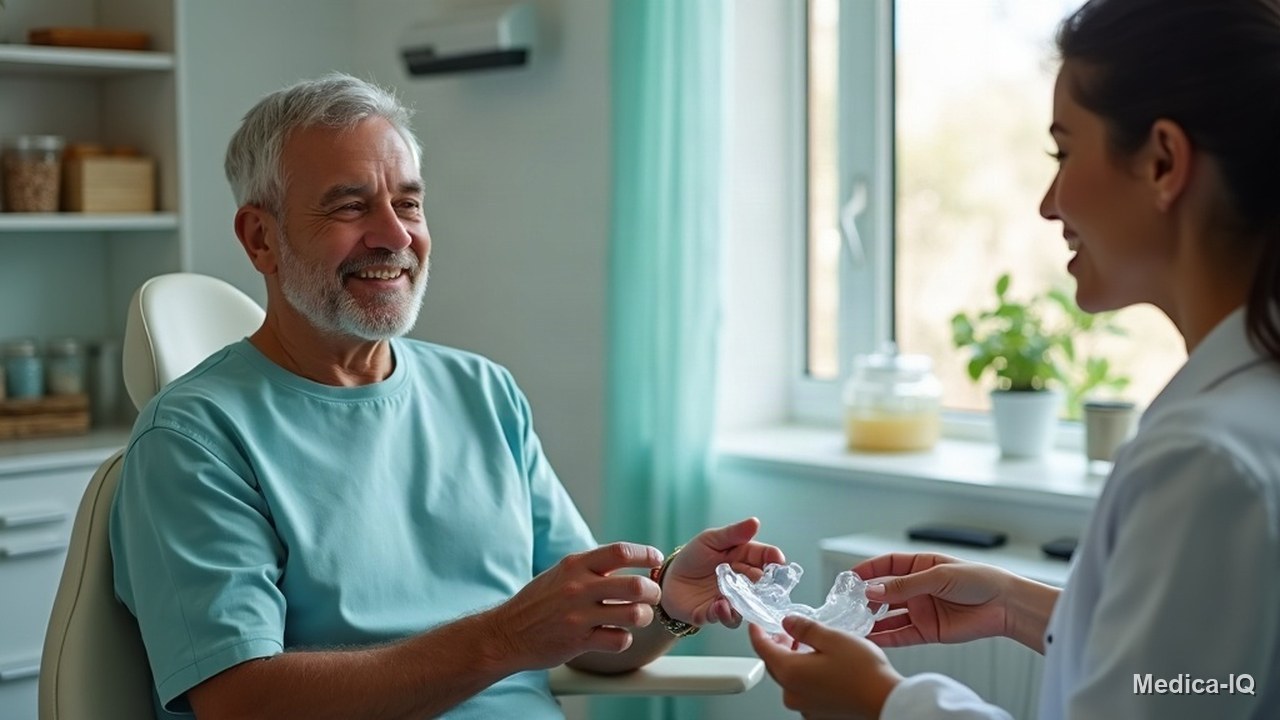
How a New Device Treats Severe Sleep Apnea
CARE appliances have been cleared for people with severe obstructive sleep apnea (OSA). These custom-fit dental tools, which resemble retainers, work by widening the palate (the roof of the mouth) and sometimes shifting the lower jaw forward. This process increases the space in the airway to prevent it from closing during sleep.
Unlike some treatments that last a lifetime, these devices are typically worn for six months to a year and a half. After this period, many patients maintain the benefits without needing the device further.
Clinical data on 73 people with severe OSA showed that approximately 80% saw some symptom improvement. Another study indicated that 26% of users recovered completely, while 64% experienced a reduction in the severity of their condition.
Other Types of Oral Appliances
While the CARE device is a newer option for severe cases, other oral appliances are commonly used for OSA:
- Mandibular Advancement Devices (MAD): These move the lower jaw forward to open the airway. They are often preferred over other mouthpieces and have an 80% compliance rate.
- Tongue-Retaining Devices (TRD): These use suction to pull the tongue forward, preventing it from blocking the throat.
- Rapid Maxillary Expansion (RME): Used primarily in children, these expand the roof of the mouth to permanently change the airway anatomy.
Comparing Treatments
Continuous positive airway pressure (CPAP) is considered the gold standard due to a 95% efficacy rate. However, it has a lower long-term compliance rate of about 40% because some find it difficult to tolerate. Oral appliances are often more portable, do not require electricity, and may be easier for patients to use consistently.
When to See a Doctor
You should consult a healthcare provider if you have been diagnosed with obstructive sleep apnea but struggle to use a CPAP machine. Seek medical advice if you notice warning signs of untreated OSA, as it can increase the risk of:
- High blood pressure
- Heart attack
- Stroke
FAQ
Are oral appliances for sleep apnea covered by health services?
Some health services cover these devices as durable medical equipment. To qualify, you must have a sleep study and a prescription from a doctor, and the device must be provided by a licensed dentist.
How much do oral appliances for sleep apnea cost?
A custom-fitted device can cost between $1,500 and $4,500. This price typically includes the initial consultation, impressions, the device itself, and follow-up visits.
What are the side effects of these devices?
Most side effects are minor. They may include dry mouth, excess saliva, jaw pain, or gum discomfort. Some devices may also cause changes in how teeth fit together or create small gaps between teeth.
Medical Disclaimer: This content is for informational purposes only and does not constitute medical advice. Always seek the guidance of a qualified healthcare provider regarding a medical condition.
Related articles
- Understanding Home Sleep Studies: A Complete Guide
- Weight Loss for Better Sleep and Heart Health
- New Drug for Waking Up in the Middle of the Night
- How to Stop Grinding Teeth at Night: Tips & Treatments
- More about Sleep & Sleep Disorders
Illustration: AI-generated
approved by: Medica Health team