Various scalp conditions can range from fungal and immune-mediated inflammations to simple skin issues, each requiring an accurate diagnosis to determine the appropriate treatment.
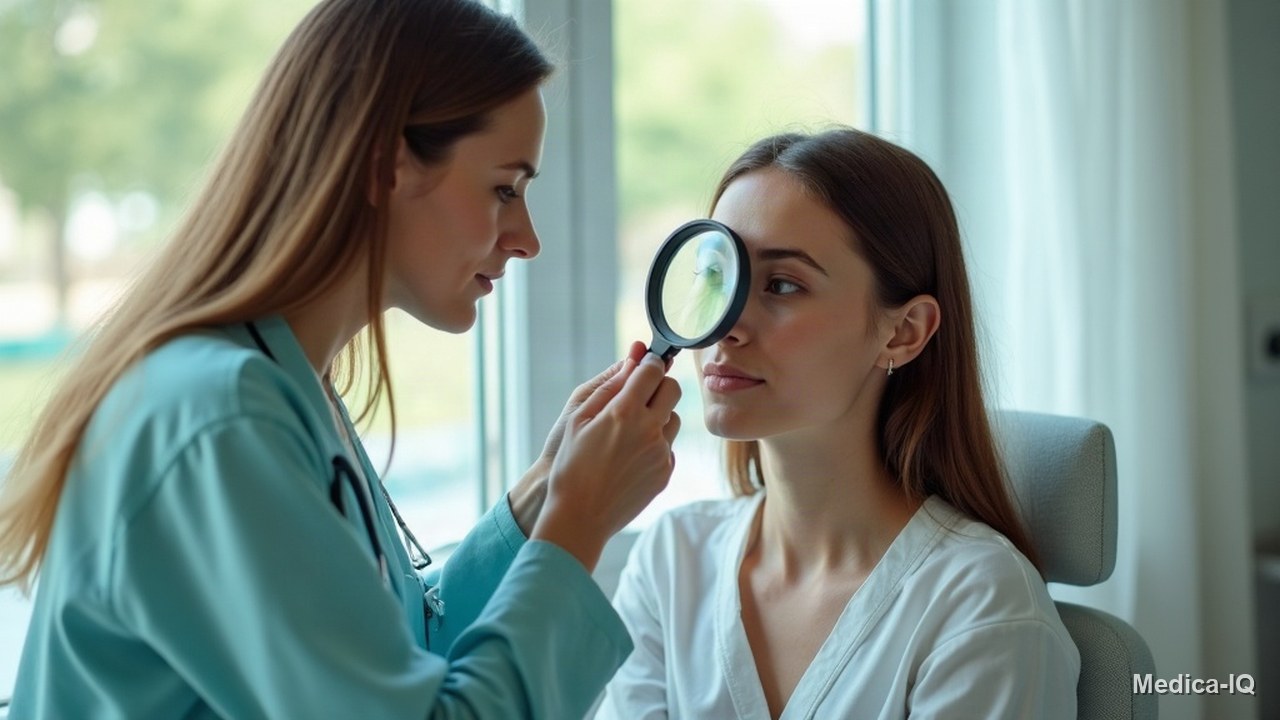
Common Scalp Problems
There are many dermatological disorders that can appear on the head, the most important of which are:
- Psoriasis: A long-term condition that causes skin cells to grow rapidly, leading to red patches covered with thick silvery or white scales, which may sometimes cause itching or bleeding.
- Alopecia: An autoimmune disease where the immune system attacks hair follicles, resulting in bald patches and random hair loss.
- Tinea Capitis (Ringworm): A highly contagious fungal infection that appears as a red rash with scales and hairless patches; it is common among children.
- Lice: Small organisms that feed on the blood of the scalp skin, causing severe itching and spreading quickly, especially among school-aged children.
- Folliculitis: A bacterial or fungal contamination affecting hair follicles, appearing as red or white pimples, and may lead to scarring or hair loss in severe cases.
- Lichen Planus: An inflammatory disease that causes sores and itching, which may result from the use of certain chemicals or medications.
- Lupus: An autoimmune disease that causes red patches and thick scales along with hair loss.
Dry Scalp and Dandruff
Dryness of the scalp is common in arid regions and with aging. Frequent hair washing or the use of chemicals that strip natural oils can worsen the condition, making it easier for bacteria to enter the body. Dandruff may result from dry or oily skin, or as a reaction to a specific type of shampoo; in rare cases, it is associated with diseases such as AIDS.
Regarding infants, “cradle cap” or seborrheic dermatitis appears as greasy white or yellow scales. This is a painless condition that does not cause itching, often presenting as dry scalp in children.
Treatment Options for Scalp Conditions
Treatment methods vary based on the cause:
- Topical Treatments: These include specialized medicated shampoos, or creams and ointments containing steroids, salicylic acid, or coal tar (especially for psoriasis).
- Oral Medications: Prescribed for certain cases such as tinea capitis (antifungals like Griseofulvin) or folliculitis (antibiotics).
- Advanced Therapies: Such as laser light therapy, or cortisone and plasma injections to stimulate hair growth in cases of hair loss and alopecia.
- Lifestyle Changes: To reduce dryness, it is recommended to decrease the frequency of hair washing and use safe products.
- Infant Care: Cradle cap is treated by rubbing the head with baby oil or calendula oil, then washing it with baby shampoo and combing it with a soft brush. This gentle dry scalp treatment helps clear the scales.
FAQ
What scalp conditions are there?
They include psoriasis, alopecia, tinea capitis, folliculitis, lichen planus, and seborrheic dermatitis.
Does psoriasis affect the scalp?
Yes, psoriasis appears on the head as red patches and thick scales that cause itching and pain.
Does eczema affect the scalp?
Yes, seborrheic dermatitis appears as greasy yellow scales and is common among those with oily skin as well as infants (cradle cap).
When to Visit a Doctor?
You should consult a doctor immediately if the following signs appear:
- Sudden bald patches or heavy hair loss.
- The presence of scaly sores or purulent pimples in the hair follicles.
- Persistent cradle cap scales in infants despite home care.
- Bleeding in areas of skin scaling.
- Severe itching that does not respond to standard cleansers.
Disclaimer: This content is for informational purposes only and is not a substitute for professional medical advice.
Related articles
- Foot Blisters: Causes, Treatment, and Prevention Guide
- Skin Allergy and Itching: Causes and Effective Treatments
- Summer is Back: Managing Skin Fungus Infections
- Preventing Eczema in Children: Tips and Treatment
- More about Skin Conditions
Illustration: AI-generated
approved by: Medica Health team