Orthosomnia describes an obsessive pursuit of perfect sleep driven by data from wearable devices, which may actually worsen sleep quality.
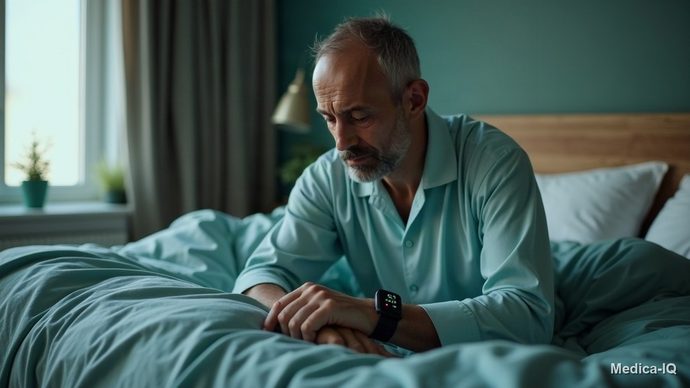
Understanding the Orthosomnia Meaning
Orthosomnia is not a formal medical disorder. It is a proposed term for a trend where individuals become overly preoccupied with metrics provided by fitness trackers. This obsession can create a cycle where the desire for “perfect” sleep data generates stress or anxiety, which then disrupts actual rest.
While insomnia is a recognized sleep disorder characterized by difficulty falling or staying asleep, this condition describes a behavioral tendency to overvalue device data. The two can exist at the same time; an obsession with data may make insomnia symptoms worse or continue even after a primary sleep disorder is treated.
The Role of Sleep Trackers and Accuracy
About 30% of adults in some regions use wearable devices to monitor health data. These devices employ algorithms to estimate total sleep time, heart rate, breathing, and sleep stages. However, these tools may not be regulated by health authorities and vary in accuracy:
- Total Sleep: Trackers are generally reliable at estimating total time spent sleeping and time spent in bed.
- Sleep Stages: Devices are only moderately successful at identifying sleep stages. One study showed deep sleep was correctly identified only 59% of the time.
- Smartphone Apps: Research suggests that apps used for sleep tracking on smartphones are currently ineffective and inaccurate.
Common Orthosomnia Symptoms
Because this is an emerging concept rather than a diagnosed disease, there is no official list of symptoms. Observations from small case studies suggest that people experiencing this trend may:
- Trust wearable data more than objective clinical tests, such as overnight sleep studies.
- Spend excessive amounts of time lying still in bed to artificially improve their device scores.
- Self-diagnose sleep disorders based solely on tracker metrics.
General signs of disrupted sleep associated with this behavior include irritability, fatigue, anxiety, and problems with memory or concentration.
Managing Orthosomnia
To prevent or address these issues, users should remember that wearable data is imprecise and does not provide a complete picture of sleep health. Strategies for improving sleep quality include:
- Better Sleep Hygiene: Maintaining a consistent sleep schedule and avoiding electronics in the bedroom.
- Stress Reduction: Addressing anxiety and stress that can trigger or worsen sleep problems.
- Professional Therapy: Using Cognitive-behavioral therapy (CBT), specifically CBT-I for sleep disturbances.
FAQ
How is orthosomnia diagnosed?
There are no formal diagnostic criteria since it is not an established medical disorder. However, doctors may identify it during a sleep evaluation if a patient shows an intense focus on achieving perfect tracker scores or an exaggerated trust in device data over clinical findings.
Can sleep trackers be useful?
Yes. While they can be imprecise, the data they collect can help a doctor understand a patient’s concerns and determine if a professional sleep study is necessary.
Is it the same as insomnia?
No. Insomnia is a clinical disorder involving difficulty sleeping, whereas orthosomnia is a preoccupation with sleep data. However, the stress from tracking can lead to or worsen insomnia.
When to See a Doctor
Consult a healthcare provider if you experience the following:
- Persistent daytime drowsiness or fatigue.
- Anxiety or stress specifically related to your sleep tracker data.
- Difficulty sleeping that persists despite following good sleep hygiene.
- A reliance on device data that causes you to ignore clinical advice or results from a sleep study.
Disclaimer: This content is for informational purposes only and does not constitute medical advice. Always seek the advice of a qualified healthcare provider with any questions you may have regarding a medical condition.
Related articles
- Meditation for Sleep: Techniques for Better Rest
- Sleep Deprivation and Blood Sugar: The Connection
- The Dangers and Health Effects of Staying Up Late
- Nutrition and Sleep: How Your Diet Affects Sleep Quality
- More about Sleep & Sleep Disorders
Illustration: AI-generated
approved by: Medica Health team