CPAP compliance refers to how consistently a person uses their machine as prescribed. This measure of CPAP compliance helps ensure health benefits.
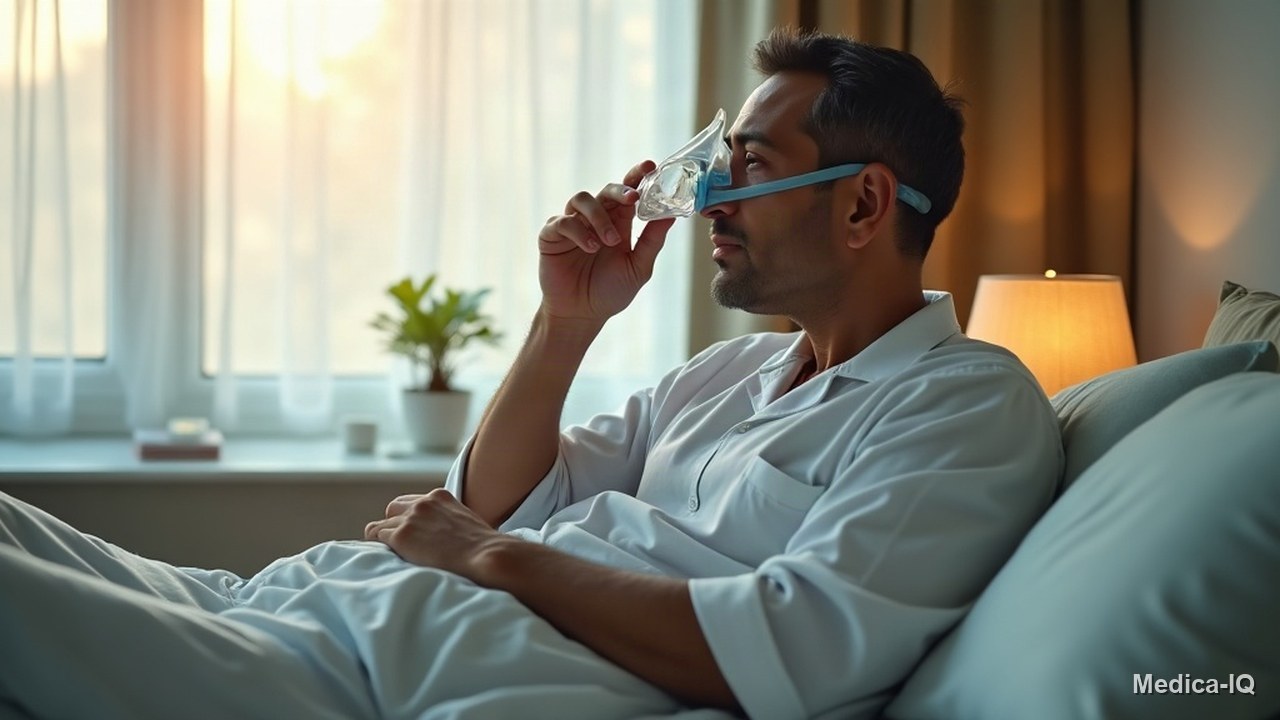
Understanding the Meaning of CPAP Compliance
In simple terms, this refers to how regularly you use your device. While the goal is to follow a doctor’s exact prescription, a specific compliance definition known as the 4-hour rule is often used.
To meet this standard, a user must:
- Use the machine for at least 4 hours every night.
- Do this for at least 70% of the time during a 30-day window.
In practical terms, this means using the device for four hours or more on five or more nights per week, or roughly 21 days out of a month.
Why Is CPAP Compliance Important?
Maintaining a steady routine with your device is vital for both your physical health and your finances.
Health Advantages
Consistent use helps manage obstructive sleep apnea (OSA) by reducing breathing interruptions. Without this treatment, oxygen levels in the blood can drop and sleep is frequently interrupted. Proper use can lead to:
- Better quality of sleep.
- Increased alertness and less fatigue during the day.
- Improved performance at work.
- Lower blood pressure.
If usage is inconsistent, OSA symptoms can reappear after only one or two nights of insufficient use.
Costs and Coverage
Some health services require doctors to track usage; for instance, coverage for equipment may be discontinued if the user does not meet necessary CPAP compliance requirements.
How Is CPAP Compliance Determined?
Devices automatically record data to track how often they are used. While machines may track when the power is on, only the time the mask is actually worn counts toward the official total.
Healthcare providers download this data to see if the treatment is working and if any settings need to be changed. This review usually happens during the first 30 days and then at least once a year, or whenever symptoms change.
The CPAP Compliance Report
A doctor may create a CPAP compliance report based on the downloaded data. This document typically shows:
- Total days of use.
- Average nightly hours.
- The percentage of nights the 4-hour threshold was met.
- Technical data like pressure settings, remaining apnea-hypopnea index (AHI), and mask leak rates.
Tips to Improve Your Usage
While the 4-hour rule is a common minimum, using the device for longer periods every night provides more health benefits. You can improve your habits by:
- Starting gradually: Use the machine for just a few hours the first night and slowly increase the duration. Some devices have a “ramp” feature that raises pressure slowly as you drift off.
- Daytime practice: Wear the mask for 15 to 30 minutes while reading or watching TV to get used to the feel. Keep the mask disconnected from the tubing if the air pressure is not active.
- Seeking support: Ask family members or roommates for reminders. You can also ask your doctor for a support group or a specialist.
- Regular check-ups: Visit your doctor to ensure the mask fits correctly and to address any side effects.
FAQ
What is considered CPAP compliance?
It is generally defined as using the device for at least 4 hours a night for 70% of a 30-day period.
How is CPAP compliance determined?
Doctors download data from the machine that records exactly how many hours the mask was worn.
How do you improve CPAP compliance?
You can try practicing with the mask during the day, using a ramp-up pressure setting, or seeking support from loved ones and medical professionals.
When to See a Doctor
Contact your healthcare provider if you experience the following:
- Persistent discomfort or side effects from the mask.
- A feeling that the mask does not fit properly.
- A return of sleep apnea symptoms despite using the machine.
- Difficulty meeting the 4-hour nightly usage goal.
Disclaimer: This content is for informational purposes only and is not a substitute for professional medical advice, diagnosis, or treatment.
Related articles
- Public Health and the Saving Time Survey
- New Study Finds Post-COVID Insomnia is Common Even Among Mild Cases
- Why We Have Nightmares and How to Prevent Them
- What is Sleep Hypnosis? Benefits and How It Works
- More about Sleep & Sleep Disorders
Illustration: AI-generated
approved by: Medica Health team