A CPAP titration study is an overnight test used to find the lowest air pressure required to keep a patient’s airway open while they sleep.
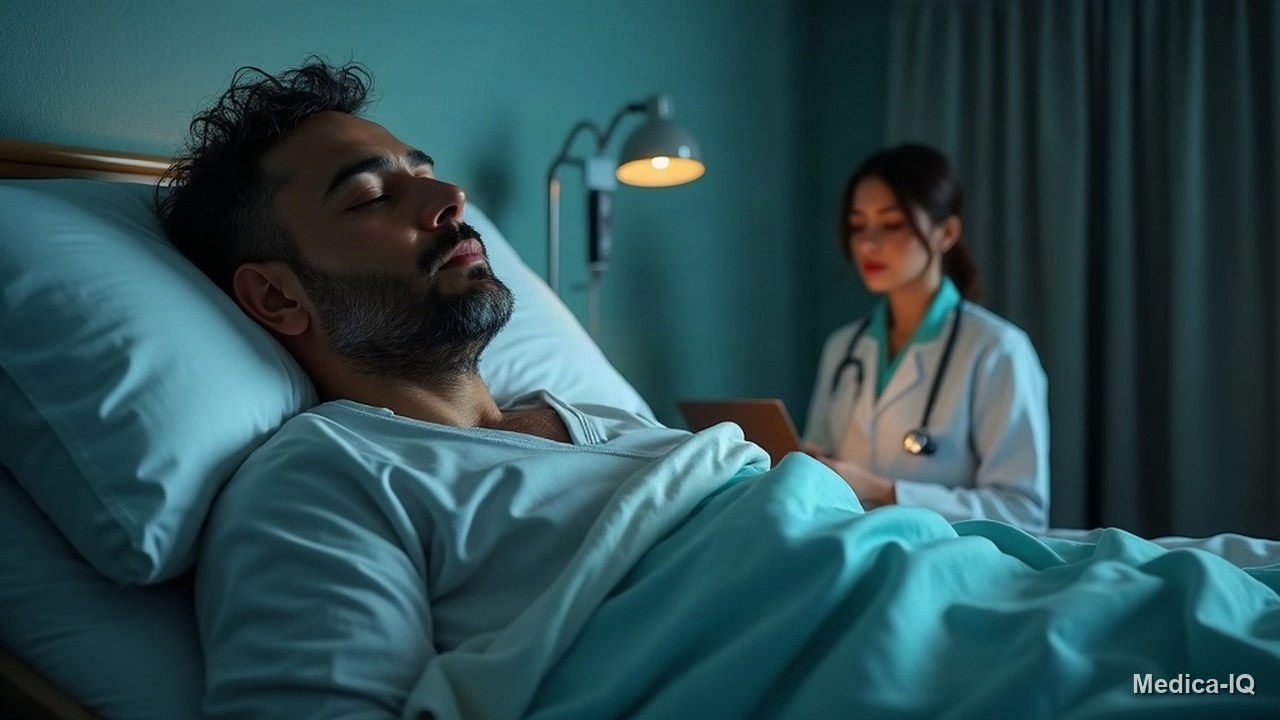
What is a CPAP Titration Study?
This procedure is typically used for individuals diagnosed with sleep-disordered breathing, such as central sleep apnea or obstructive sleep apnea (OSA), who have been prescribed continuous positive airway pressure (CPAP) therapy. The goal is to calibrate the machine to a fixed airflow rate that is both comfortable and effective for the user.
During the process, a patient is connected to a CPAP machine in a sleep laboratory. A technologist monitors the patient’s breathing and gradually increases the air pressure in small steps. Once the airflow is sufficient to stop breathing lapses, that specific pressure is set as the fixed rate for the device. If the patient cannot tolerate the air pressure or continues to have breathing lapses, a bilevel positive airway pressure (BiPAP) machine may be used instead.
CPAP Titration Study: What to Expect
Patients undergo polysomnography, which measures physical markers like blood oxygen levels, heart activity, body position, snoring volume, and breathing. A technologist monitors the session from another room using microphones and infrared cameras.
Depending on the medical need, there are two main types of studies:
- Full-Night Study: Used for those already diagnosed with a breathing disorder; the patient uses the CPAP machine for the entire night.
- Split-Night Study: The first part of the night is used for diagnosis. If moderate to severe OSA is detected within the first two hours and at least three hours remain in the session, the rest of the night is used for titration.
Technologists may also test different mask types during the night to find the best fit and minimize air leaks. Some patients may experience skin irritation from the monitors or feel uncomfortable sleeping in a lab setting.
Options for a CPAP Titration Study at Home
Not everyone requires an in-lab visit. Some people may use auto-adjusting CPAP (APAP) devices that change pressure levels automatically throughout the night. However, a lab-based study is generally preferred for patients with:
- Congestive heart failure or pulmonary disease.
- Suspected central sleep apneas.
- Facial features that cause mask leaks.
- Physical or mental health conditions that make home testing difficult.
- A history of unsuccessful home titration.
- Living situations, such as nursing homes or homelessness, that complicate home testing.
Preparing for the Test and Interpreting Results
To prepare, patients are often advised to:
- Avoid caffeine and alcohol for a set time before the study.
- Arrive with clean skin and hair, avoiding lotions or products.
- Bring loose, comfortable pajamas and a preferred pillow.
- Continue regular medications unless a doctor says otherwise.
Results are categorized as optimal, good, adequate, or inadequate. If the result is optimal, good, or adequate, the specialist may use the fixed pressure found during the test. “Good” or “adequate” results might be followed by home titration with an APAP. If the result is inadequate, another study may be necessary.
Other Ways to Manage Sleep Apnea
While CPAP is a primary treatment, other lifestyle changes can help reduce symptoms:
- Weight Management: Losing weight is often recommended for those with obesity and OSA.
- Exercise: Regular physical activity can help reduce symptoms.
- Sleep Position: Sleeping on the side instead of the back may help some people.
- Avoiding Alcohol: Alcohol can worsen OSA and should be avoided, especially before bed.
- Medication Review: Some sedatives can worsen symptoms; consult a pharmacist or doctor about current medications.
When to See a Doctor
Consult a healthcare provider if you or a partner notice the following warning signs:
- Frequent, loud snoring.
- Gasping or choking for air during sleep.
- Waking up during the night.
- Morning headaches.
- Excessive daytime tiredness.
Doctors may also recommend a study for people with high blood pressure, heart failure, a large waist or neck, or obesity, even if they are unaware of symptoms.
FAQ
What does a CPAP titration study do?
It identifies the minimum air pressure needed to keep your airway open during sleep to ensure your CPAP therapy is effective.
Can a CPAP titration study be done at home?
Yes, in some cases, titration can be performed at home using an APAP machine, particularly for those with uncomplicated obstructive sleep apnea.
Is the cost of these studies covered?
Coverage for the study may depend on medical necessity and the order of a provider, though specific costs vary.
Disclaimer: This content is for informational purposes only and does not constitute medical advice. Always consult a qualified healthcare provider for diagnosis and treatment.
Related articles
- Understanding the Dangers of Sleep Deprivation
- Understanding Causes of Excessive Sleep in Teenagers
- Sleeping With Socks: Benefits and Best Types for Sleep
- Can You Sleep With Your Eyes Open? Causes and Risks
- More about Sleep & Sleep Disorders
Illustration: AI-generated
approved by: Medica Health team