Research shows that common colds increase the number of cough receptors in the respiratory system and raise their sensitivity, which leads to cough and wheezing and difficulty breathing.
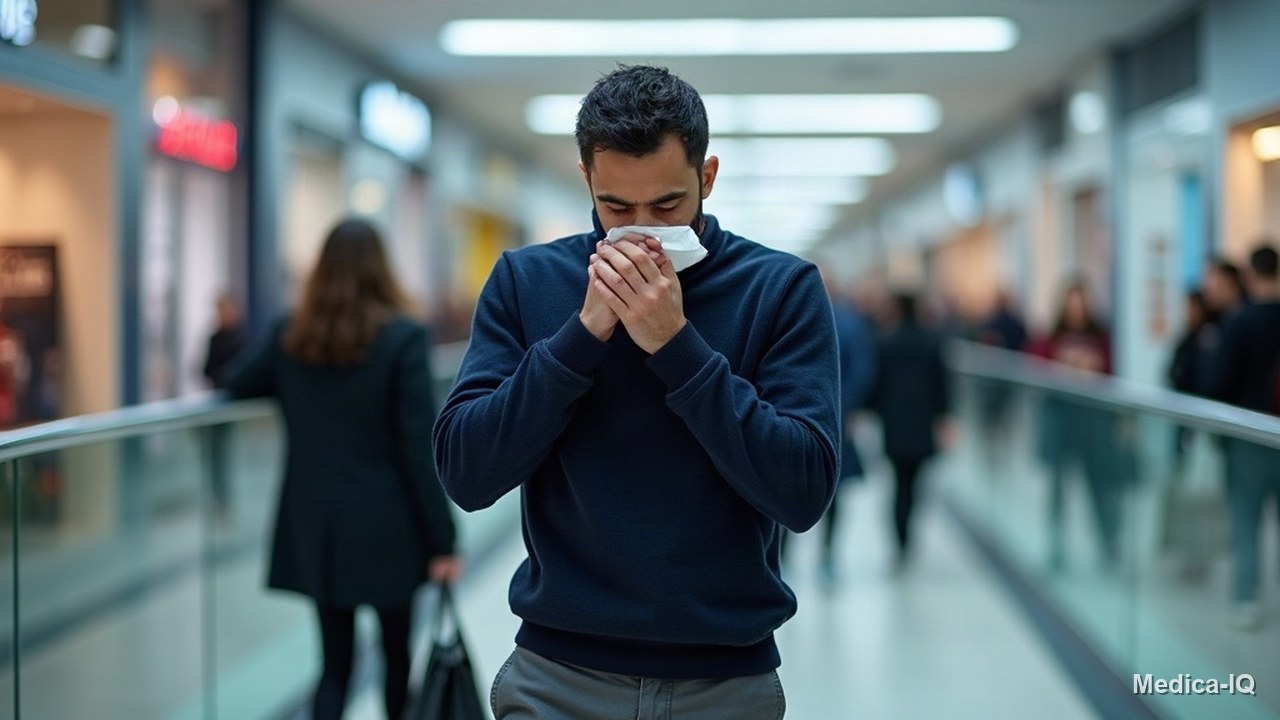
How do colds cause cough and wheezing?
The airway contains receptors called “transient receptor potential” (TRP) receptors, which are responsible for sensing physical and chemical stimuli in the surrounding environment; once these receptors are activated, a person begins to cough and wheeze.
Viral infections, such as the rhinovirus that causes most colds, lead to the following:
- An increase in the number of these receptors in the airway cells.
- Increased sensitivity of the receptors to irritants.
- Greater susceptibility to environmental factors, such as air pollutants, temperature changes, and toxic substances in cigarette smoke.
These changes make a person more prone to prolonged coughing fits due to an increased response to stimuli.
Viral effects on asthma patients
Studies conducted on airway cell samples showed that people with asthma are more susceptible to cough and wheezing when exposed to the virus. The rhinovirus caused a significant increase in the number of cough receptors in these patients compared to healthy individuals.
Scientists are currently working on developing treatments aimed at preventing the increase in the number of these receptors or reducing their sensitivity to control symptoms and improve the quality of life for those with chronic lung diseases.
FAQ
What causes cough and wheezing?
This is due to an increase in the number of cough receptors (TRP) in the airway, making the respiratory system more sensitive to external influences.
Who is most susceptible to these symptoms?
People with asthma are more likely to experience these symptoms because of how viruses affect their respiratory receptors.
What triggers these episodes?
Triggers include air pollutants, temperature changes, and toxic chemicals found in cigarette smoke.
When to visit a doctor?
It is recommended to seek medical care if the following signs appear:
- Severe difficulty breathing.
- Long and persistent coughing fits that do not respond to rest.
- Increasing severity of chest wheezing that hinders daily activity.
Disclaimer: This content is for informational purposes only and is not a substitute for professional medical advice.
Related articles
- Common Cold vs Flu and Allergies: Key Differences
- Effective Natural Cold Remedies and Prevention
- Health Benefits Weeks After Quitting Smoking
- How to Regain Sense of Smell and Taste After a Cold
- More about Colds, Flu & COVID-19
Illustration: AI-generated
approved by: Medica Health team