Improve your nightly rest and respiratory health by using an air purifier to remove indoor pollutants and allergens from your bedroom.
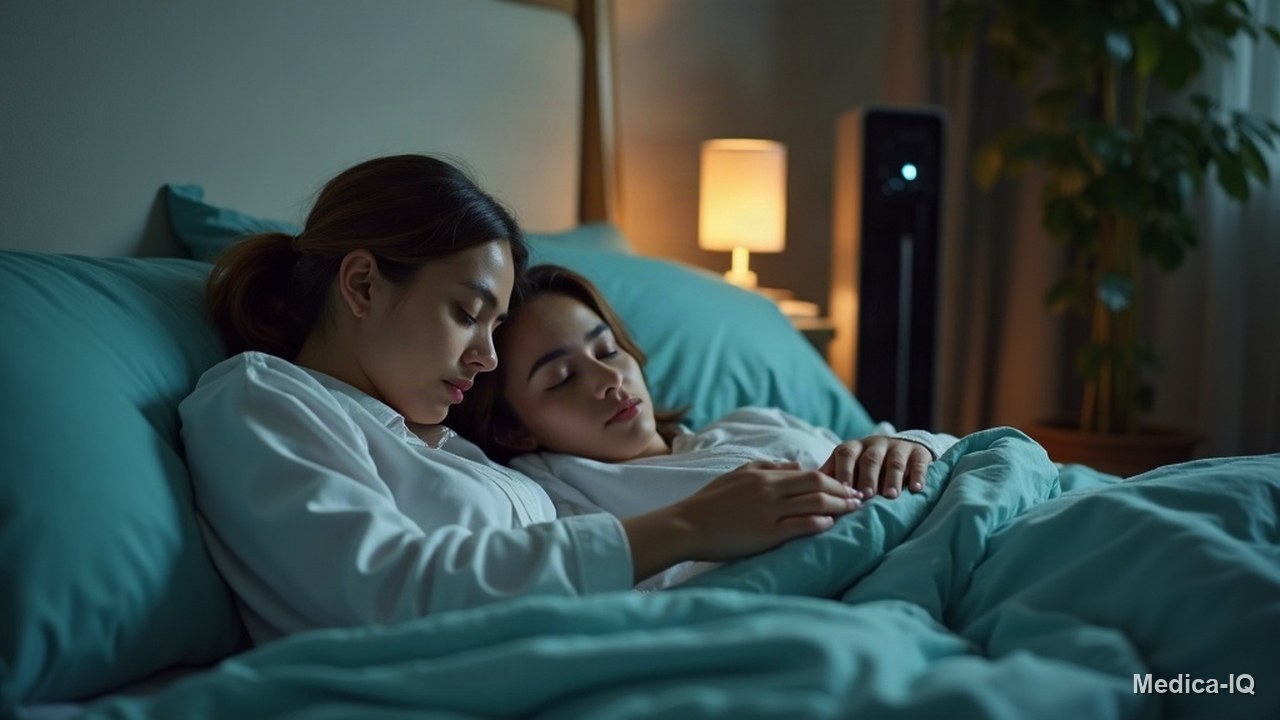
How an Air Purifier Improves Sleep Quality
Indoor air quality can significantly impact how well you sleep. Airborne particles and pollutants often trigger allergies or other health issues that disrupt rest. An air purifier helps by trapping or neutralizing these substances.
For those with asthma or allergies, these devices can reduce nighttime symptoms such as coughing, nasal congestion, and throat irritation. Reducing these triggers may lower the risk of snoring and breathing complications like sleep apnea. Additionally, the gentle hum of some machines provides white noise, which masks disruptive sounds like traffic or ticking clocks.
Best Types of Air Purifiers for Home Use
Different models target different pollutants. No single device can remove every type of indoor contaminant.
- Air purifier with HEPA filter: These are highly effective for particulate matter. They can remove more than 99.97% of particles, including mold, pollen, bacteria, and dust.
- Carbon and gas filters: These are designed to neutralize odors and gaseous pollutants, such as smoke or volatile organic compounds.
- Ionic cleaners and ionizers: These use an electrical charge to make particles cling to surfaces like walls or curtains. Note that some of these may produce ozone.
- UV cleaners: These use ultraviolet light to neutralize microorganisms, though they do not remove physical particles from the air.
Choosing the Right Air Purifier for Your Bedroom
When selecting a device, consider the size of your room and the Clean Air Delivery Rate (CADR), which measures how fast the air is cleaned. For example, a 200-square-foot room requires a minimum CADR of 130, while a 500-square-foot room needs 325.
Other factors to evaluate include:
- Noise levels: Since loud motors can disturb sleep, check the noise level before purchasing.
- Maintenance: All units require regular cleaning and filter replacements to remain effective.
- MERV Rating: For those with COPD, filters with a MERV rating of 11-13 are recommended.
Tips for Maintaining Clean Indoor Air
To maximize the effectiveness of your device, combine it with these habits:
- Dust and vacuum your living spaces frequently.
- Avoid smoking inside the home.
- Replace HVAC filters at least every 3 months.
- Use exhaust fans in the kitchen and bathroom.
- Keep windows shut during days with high pollen counts.
FAQ
What air purifier is best for allergies?
Models featuring HEPA filters are recommended because they trap allergens and particulates, preventing them from being inhaled during sleep.
How do air purifiers help with COPD?
They remove particles that can cause lung swelling and worsen congestion. This may help the heart and lungs function better and potentially ease blood pressure.
Where to put your air purifier?
Since portable units only clean the air in the immediate area, place the device in the room where you spend the most time, such as the bedroom.
What air purifier is best for smoke?
Carbon filters are specifically designed to adsorb odor-causing molecules and gaseous pollutants like tobacco smoke.
When to See a Doctor
Consult a healthcare provider if you experience severe breathing difficulties, frequent nocturnal asthma attacks, or symptoms of sleep apnea. Seek medical attention if you have a chronic condition like COPD and notice an increase in cough or congestion despite using air filtration.
Disclaimer: This content is for informational purposes only and does not constitute medical advice. Always consult with a qualified healthcare professional regarding a medical condition or treatment.
Related articles
- Effective Fatigue Treatment and Energy Recovery Tips
- Why Are We Still Watching TV Right Before Bed?
- Best CPAP Masks for Side Sleeping and Other Positions
- Understanding CPAP Machine Cost: Prices and Coverage
- More about Sleep & Sleep Disorders
Illustration: AI-generated
approved by: Medica Health team