Restless sleep is the subjective experience of poor-quality slumber. It is characterized by frequent movement or waking, often leaving a person feeling unrefreshed.
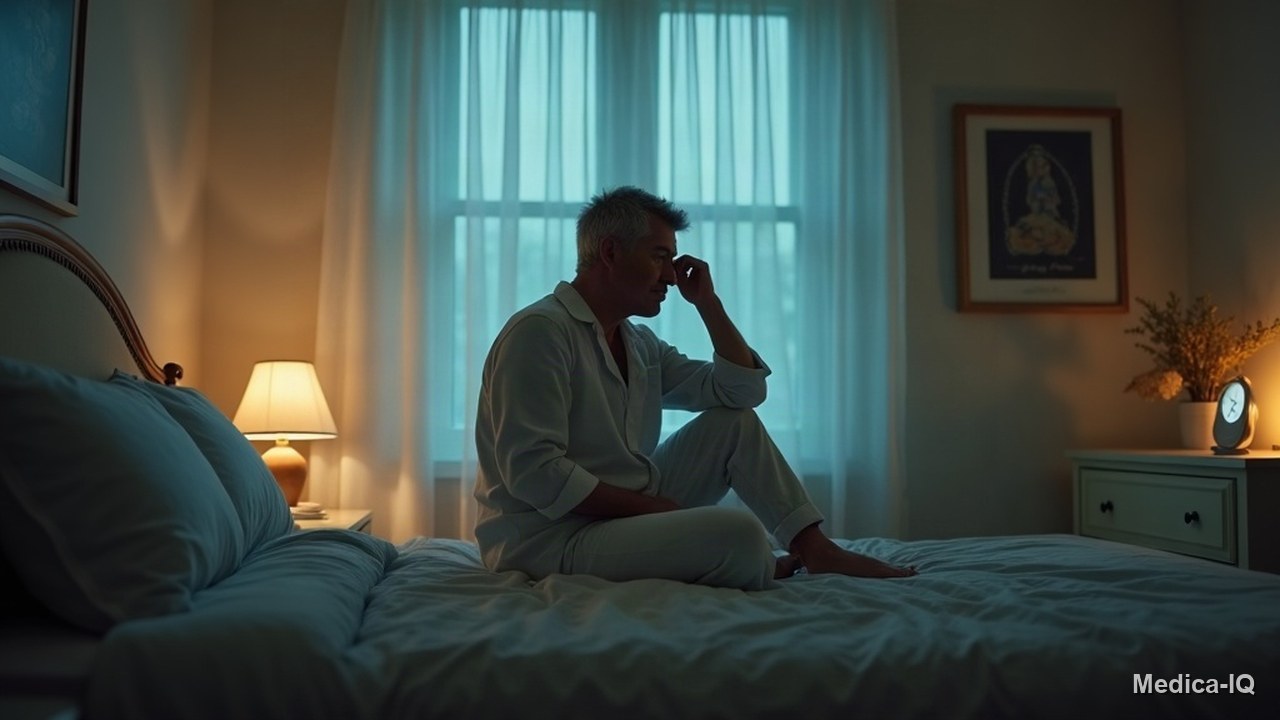
What is the Restless Sleep Meaning?
Restless sleep is not a formal medical diagnosis or a specific restless sleep disorder. It is a descriptive term for various experiences that prevent a person from reaching a deep, restorative state.
For the sleeper, this may feel like:
- Constant tossing and turning to find a comfortable position.
- A sensation of being only partially asleep.
- A racing mind that prevents relaxation.
- Difficulty returning to sleep after an unexpected awakening.
Observers may notice signs such as loud snoring with gasping sounds, teeth grinding, sleepwalking, or talking and yelling during the night.
Common Causes of Restless Sleep
Factors causing restless sleep range from daily habits to chronic health issues.
Lifestyle and Bedtime Habits
Poor sleep hygiene frequently disrupts rest. This includes using electronic devices in bed, eating late, or maintaining an inconsistent sleep schedule. Stimulants like nicotine and caffeine can leave the body feeling wired, while alcohol and sedatives may disrupt natural sleep cycles. Environmental factors, such as a mattress that does not support the body or a room that is too hot, cold, or noisy, also contribute.
Health and Mental Conditions
Physical pain and the need to urinate frequently can interrupt sleep. Mental health struggles, including depression, grief, and anxiety disorders, can keep the mind active and prevent deep sleep.
Sleep Disorders
Certain medical conditions can cause restless sleep:
- Obstructive Sleep Apnea (OSA): Breathing interruptions cause brief awakenings.
- Restless Legs Syndrome (RLS): An uncontrollable urge to move the limbs, often described as a crawling or tingling sensation.
- Parasomnias: Abnormal behaviors such as sleepwalking or sleep talking.
Restless Sleep by Age Group
Reasons for sleep disruptions vary throughout a person’s life.
- Infants and Toddlers: Newborns naturally wake frequently. In toddlers, restlessness around 18 months may stem from separation anxiety, nightmares, or an inability to self-soothe.
- Children: This group is more prone to parasomnias. Restlessness may also be linked to ADHD or Autism Spectrum Disorder.
- Teens: Biological shifts often move adolescents toward a “night owl” schedule, making early bedtimes difficult.
- Adults: Causes in adults often include work-related stress, insomnia, and co-occurring health problems.
- Seniors: Older adults often spend more time in lighter sleep stages and may experience a forward shift in their circadian rhythm, causing them to wake up very early.
How to Address Restless Sleep
Improving sleep quality often begins with better habits and environmental changes.
- Optimize the Environment: Use a supportive mattress and keep the bedroom dark and quiet.
- Maintain a Routine: Stick to a consistent sleep schedule and create a calming bedtime ritual.
- Track Patterns: Keep a sleep journal to identify trends and potential triggers.
- Manage RLS: For those with restless legs, mild exercise in the early evening, warm baths, leg massages, and avoiding tyramine-rich foods like aged cheese may help.
When to See a Doctor
Consult a healthcare provider if sleep disruptions are persistent, worsening, or frequent. Seek medical advice if you notice:
- Loud snoring accompanied by choking or gasping.
- Excessive daytime sleepiness that makes driving or operating machinery dangerous.
- Irritability or impaired concentration during the day.
- Frequent sleepwalking or behaviors that put a child at risk of harm.
FAQ
Can low iron cause restless sleep?
Yes. Low iron levels are common in people with Restless Legs Syndrome, which can disrupt sleep. Doctors may suggest iron supplements if a deficiency is found.
What is the difference between this and insomnia?
Insomnia is a formally diagnosed medical disorder with specific diagnostic criteria. While people with insomnia often experience restless sleep, not everyone who has a restless night has insomnia.
Does sleep apnea cause restless sleep?
Yes. Obstructive sleep apnea interrupts breathing, leading to brief awakenings that prevent the sleeper from reaching deep sleep stages.
Is there a test for restless leg syndrome?
There is no single medical test for RLS. Doctors diagnose it by reviewing symptoms, medical history, and ruling out other conditions through physical exams or blood tests for iron and blood sugar.
Disclaimer: This content is for informational purposes only and is not a substitute for professional medical advice, diagnosis, or treatment.
Related articles
- Waking Up from Sleep: Common Causes and Solutions
- Are Sleep Aids Safe? Risks, Benefits, and Types
- Understanding Sleep Paralysis Dreams: Causes & Symptoms
- Effective Relaxation Exercises for Sleep: Top Techniques
- More about Sleep & Sleep Disorders
Illustration: AI-generated
approved by: Medica Health team