Excessive perspiration during sleep, including hot flashes and night sweats, can range from mild dampness to soaking pajamas and bedding. This condition is often linked to hormonal shifts, infections, or medical issues.
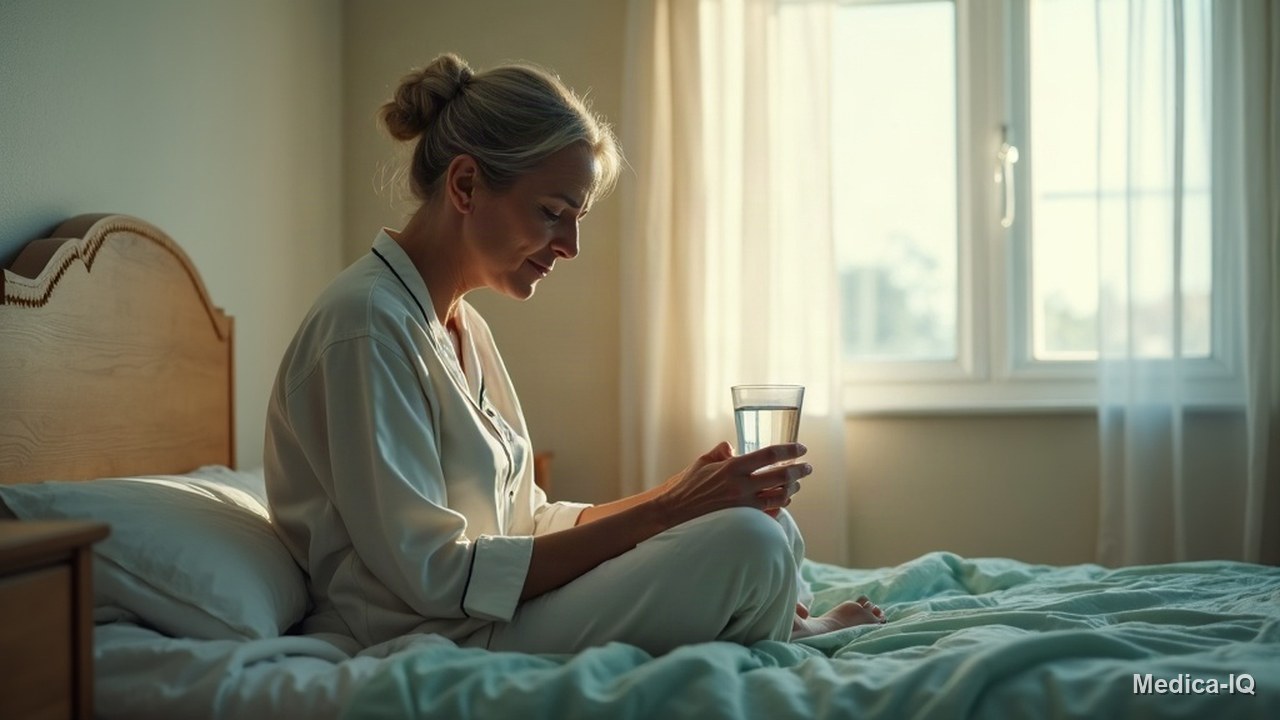
Overview of Night Sweats
Unlike feeling warm because of heavy blankets or a hot room, these episodes occur even in cool environments. Common symptoms include waking up in drenched clothing, feeling chilled once the sweating stops, and having trouble returning to sleep. Research indicates that up to 40% of people visiting primary care doctors report this experience, with those in their 40s and 50s being the most affected.
Common Causes of Night Sweats
Many factors can trigger nighttime perspiration. While some are harmless, others may indicate a health problem.
Hormonal and Life Transitions
- Menopause and Perimenopause: Hormonal changes are a leading cause for women.
- Postpartum Period: About 29% of people experience nighttime hot flashes after giving birth. This may be the body’s way of removing excess fluids—averaging 6.5 liters—accumulated during pregnancy.
- Male Hormones: Low testosterone or hypogonadism (when testes produce insufficient testosterone) can cause these episodes in men.
Medical Conditions
- Infections and Fever: A body temperature of 100.4 degrees Fahrenheit (38 degrees Celsius) or higher often triggers sweating as the body fights illness.
- Diabetes: Low blood sugar can activate the nervous system, leading to perspiration. Additionally, autonomic neuropathy (nerve damage affecting sweat glands) may be a factor.
- Sleep Disorders: Obstructive sleep apnea (OSA) is three to five times more common in men than women; nearly a third of men with OSA report night sweats.
- Other Issues: Overactive thyroid (hyperthyroidism), acid reflux (GERD), and certain neurological conditions may be responsible.
Mental Health and Medications
Anxiety can make sweat glands more responsive. Stressful life events, such as job loss, relationship problems, or PTSD, may lead to nightmares and physical stress responses that trigger sweating. Certain medications can also cause these episodes as a side effect.
How to Stop Night Sweats and Manage Discomfort
Treatment depends on the root cause. If a medical condition is present, doctors may prescribe antibiotics for infections, thyroid medications, or hormone therapy for menopause.
Lifestyle and Sleep Hygiene
- Optimize Your Room: Keep the bedroom temperature between 60 and 68 degrees Fahrenheit. Use fans, air conditioning, or open windows.
- Bedding Choices: Use breathable fabrics like cotton or linen. Try cooling gel pillows or mattress covers.
- Dietary Adjustments: Limit spicy foods, caffeine, and alcohol before bed.
- Daily Habits: Stay hydrated throughout the day to help regulate temperature. Engage in regular exercise, but avoid working out immediately before sleep.
- Stress Reduction: Use meditation, deep breathing, and relaxation techniques to unwind.
When to See a Doctor
You should seek a medical evaluation if you experience these symptoms regularly and they are not caused by your environment. Warning signs include:
- Unexplained weight loss, persistent fever, or chills.
- New or worsening symptoms like a cough, fatigue, or pain.
- Waking up drenched and unable to sleep through the night.
- Starting these episodes after age 50.
- Having a known medical condition where symptoms have changed.
FAQ
Are night sweats normal?
Occasional sweating is normal if your room is warm. However, frequent or intense episodes not caused by the environment may signal an underlying health issue.
Do men get night sweats, too?
Yes. While women often experience them due to menopause, men may experience them due to low testosterone, sleep apnea, infections, or stress.
Are night sweats and cancer linked?
They can be a symptom of certain cancers, such as lymphoma. However, cancer is only one of many possibilities. It is especially important to see a doctor if sweating is paired with fatigue or unexplained weight loss.
Can dehydration cause night sweats?
Possibly. Water helps circulate heat to the skin to cool the body. If you are dehydrated, your body may struggle to regulate temperature, potentially creating a cycle where dehydration triggers sweating and sweating further dehydrates the body.
Disclaimer: This content is for informational purposes only and does not constitute medical advice. Always consult a healthcare provider for diagnosis and treatment.
Related articles
- The Role of Protein and Sleep Regulation
- Magnesium for Sleep: Benefits, Dosage, and Side Effects
- Effective Sleep Tips for Women: How to Sleep Better
- Teeth Grinding in Children: Causes and Management
- More about Sleep & Sleep Disorders
Illustration: AI-generated
approved by: Medica Health team