Learn how to improve your comfort and security when safely sleeping in car environments during road trips or overnight stays.
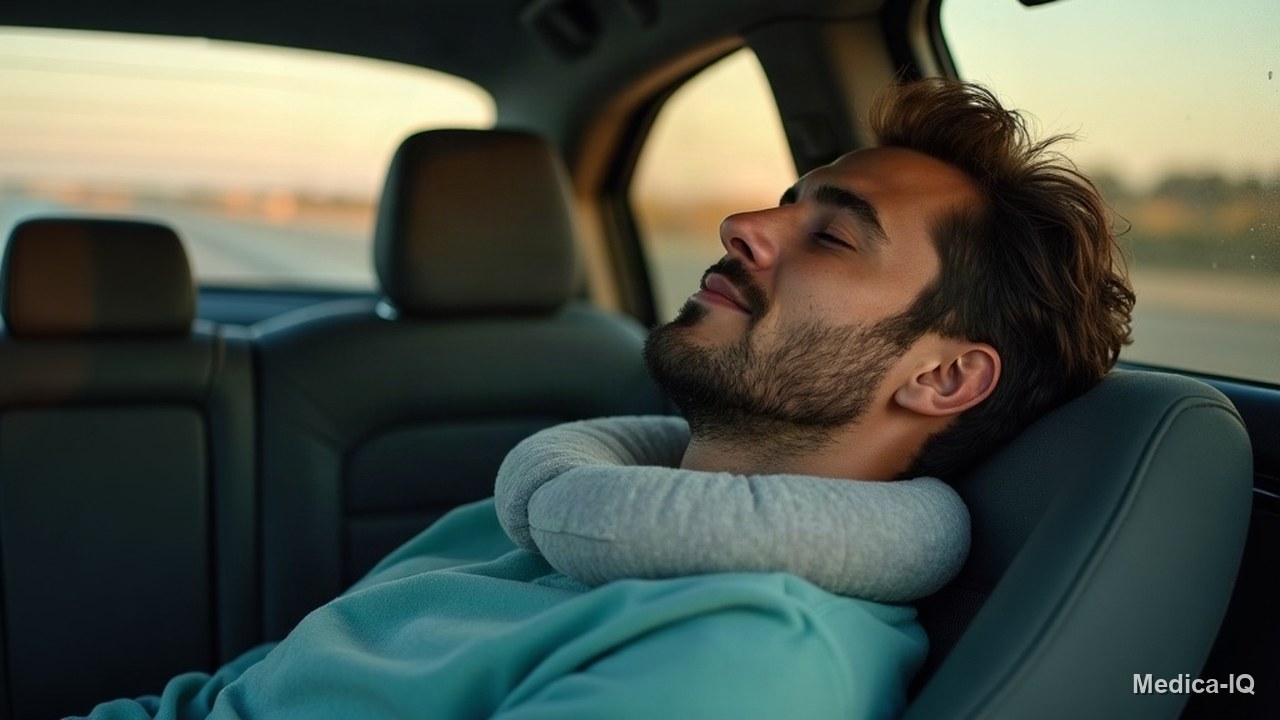
How to Create a Better Environment for Safely Sleeping in Car
Getting quality rest in a vehicle can be difficult due to noise, light, and awkward positioning. To improve your sleep quality and fall asleep faster, focus on these adjustments:
- Control the Light: Use window coverings or eye masks to block out street lamps and security lights, which can disrupt your sleep cycle.
- Reduce Noise: Mask sounds from traffic or pedestrians by using earplugs, soft music, or a white noise machine.
- Adjust Your Position: Sleeping upright can lead to frequent waking. Recline the seat as close to a horizontal position as possible to keep your neck and head comfortable.
- Add Support: Use a travel or neck pillow to provide necessary support for the head and neck.
- Improve the Surface: Soften the seat by adding thick blankets, an RV mattress, or a truck mattress. Use breathable materials in summer and thicker fabrics in winter to maintain heat.
How to Keep the Car Cool and Relax
Because the body’s core temperature drops at night, people generally sleep better in cooler air. To keep the car cool, you can leave the sunroof or windows open to maintain airflow.
If stress or safety concerns make it hard to drift off, try these relaxation methods:
- Deep breathing or meditation.
- Reading a book or listening to music.
- Drinking a warm beverage that does not contain caffeine.
- Maintaining a consistent nightly sleep schedule to signal the body to wind down.
Legal Considerations and Safe Locations
While there is no federal law against this practice, local regulations vary. Nearly 60% of surveyed U.S. cities have at least one law prohibiting people from sleeping in vehicles. These may include total bans, overnight parking restrictions, or requirements for specific permits. Always check local ordinances and parking signs to avoid being towed or fined.
If you are looking for safe places to park, consider these options:
- Rest Stops and Welcome Centers: These provide a break for travelers. Some allow overnight stays, while others limit the time you can remain.
- National and State Parks: Some offer designated camping areas. These may require fees or advance reservations and are often patrolled by park rangers.
- Dispersed Camping Sites: Provided by the U.S. Forest Service and the Bureau of Land Management, these sites may be free. Some allow parking for a month or two weeks.
- Walmart Parking Lots: Some stores allow free overnight parking, particularly for RVs; it is best to confirm with the store manager.
- Safe Parking Programs (SPP): In some cities, these programs provide permits for people experiencing homelessness to park legally at private buildings or religious institutions.
FAQ
Is it illegal to sleep in your car?
It depends on the location. While not against federal law, many cities and states have laws prohibiting it, such as overnight parking bans. You should check local laws for the specific area where you plan to stay.
What are safe places to sleep in your car?
Safe options include designated camping areas in state or national parks, dispersed camping sites, certain rest stops, and some Walmart parking lots. Some cities also offer Safe Parking Programs.
How can I stay warm in the winter?
Use heavier, thicker fabrics and blankets to preserve body heat during the night.
When to See a Doctor
If you experience chronic insomnia or a persistent inability to fall asleep despite improving your environment and practicing relaxation techniques, consult a healthcare provider for professional sleep guidance.
Disclaimer: This content is for informational purposes only and does not constitute medical advice.
Related articles
- How to Find a Sleep Doctor Near You: A Simple Guide
- Can Melatonin Cause Nightmares? Side Effects Explained
- Heart Rate Before Sleep: What Your Sleep Reveals
- Understanding Your Circadian Rhythm: A Complete Guide
- More about Sleep & Sleep Disorders
Illustration: AI-generated
approved by: Medica Health team